NASA Finds Thunderstorms Create Antimatter in Space
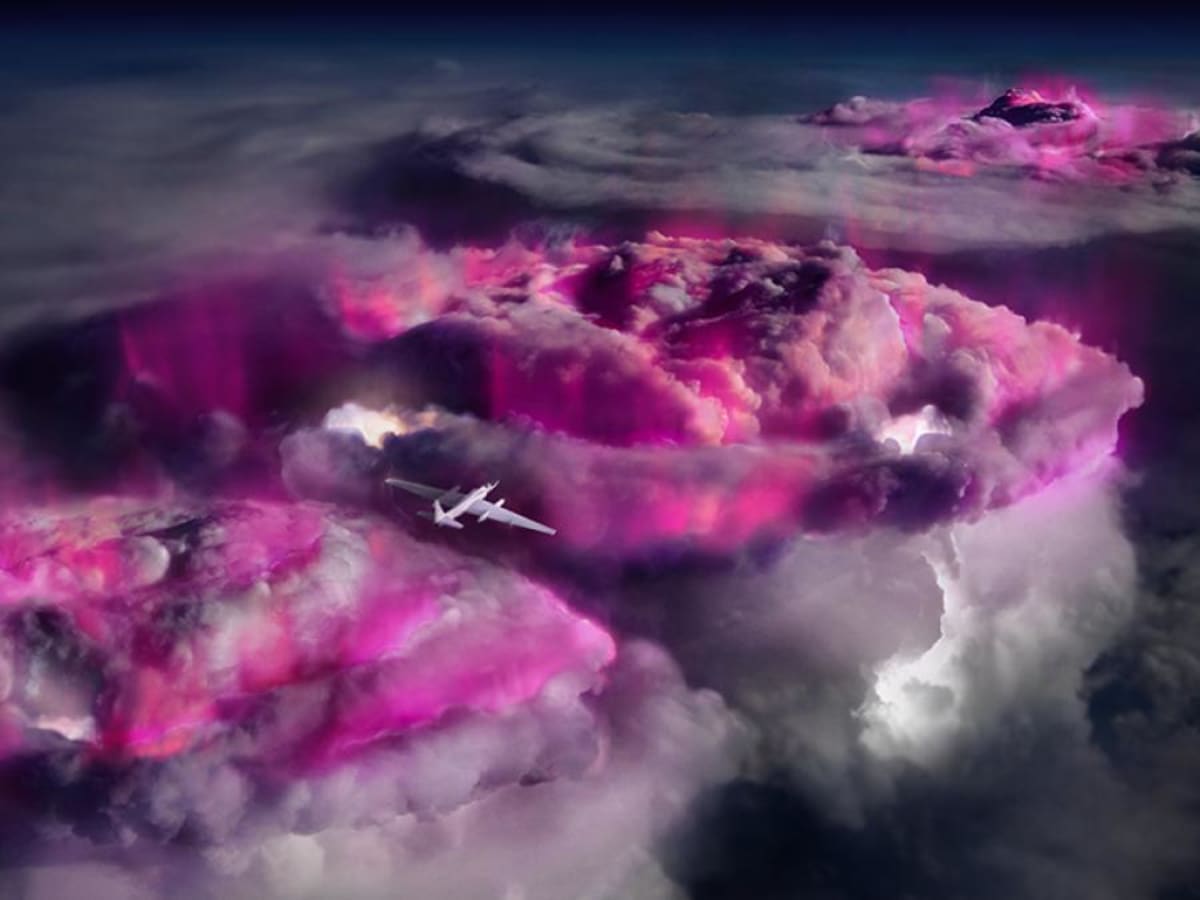
Scientists discovered that about 500 thunderstorms daily shoot beams of antimatter into space, solving a cosmic mystery with NASA's telescope. The same weather that brings rain to Earth is performing feats of physics that sound like science fiction.
Thunderstorms are doing something extraordinary that scientists barely believed possible: creating antimatter and launching it into space.
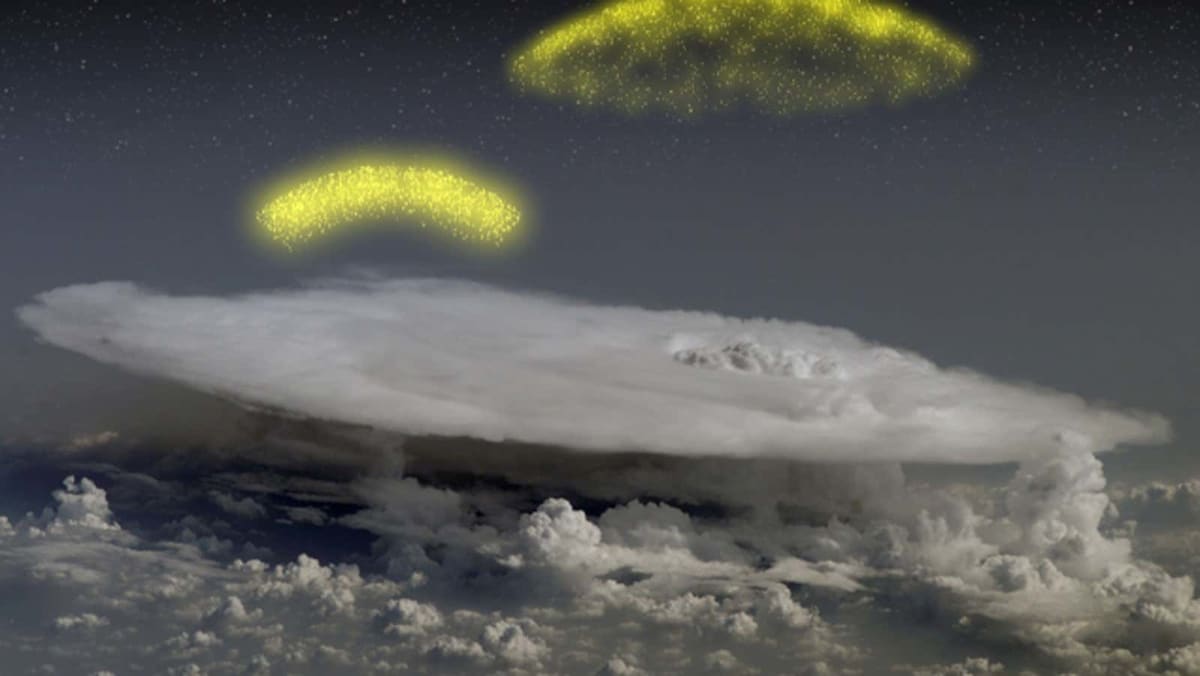
In 2009, NASA's Fermi Space Telescope got hit by a beam of antimatter while orbiting over Egypt. The source wasn't a distant galaxy or black hole. It was a thunderstorm in Zambia, nearly 3,000 miles away.
Scientists now know this happens about 500 times every single day around our planet. Ordinary storms are performing cosmic-level physics right above our heads.
Here's how nature pulls off this incredible trick. Strong thunderstorms build up such intense electrical fields that electrons shoot out from the cloud tops at nearly the speed of light. When these speeding electrons pass near atoms in the atmosphere, they create gamma radiation.
That gamma radiation then slams into other atoms, splitting into two mirror-image particles: a normal electron and a positron (which is antimatter). This whole process takes just a fraction of a second and scientists call it "dark lightning."
The positrons and electrons follow Earth's magnetic field lines like invisible highways in the sky. That's how antimatter from a Zambian storm traveled thousands of miles to reach NASA's telescope orbiting above Egypt.
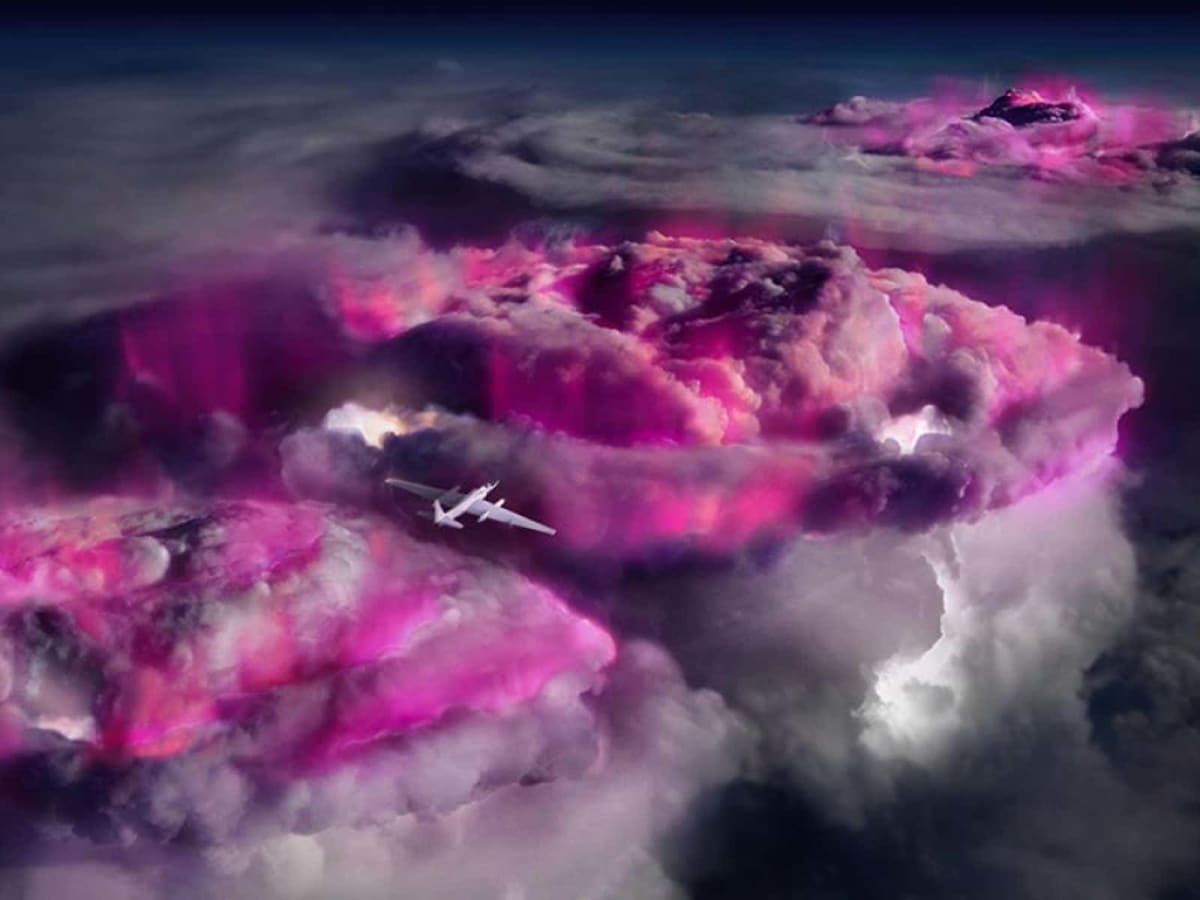
Researchers have known about regular lightning for centuries, but this hidden twin remained invisible until we had the right tools in space to detect it. The Fermi telescope revealed a secret layer of storm activity that pilots and passengers fly through without ever knowing.
Why This Inspires
This discovery reminds us how much wonder still hides in everyday phenomena. We've studied thunderstorms for generations, yet they were secretly creating the universe's rarest matter the entire time.
The finding opens new questions about radiation exposure for flight crews and passengers, but it also showcases nature's raw power to perform physics experiments on a cosmic scale. What happens during a typical afternoon storm rivals processes we thought only occurred in particle accelerators or distant space.
Every rumble of thunder now carries a different meaning. Those flashing clouds aren't just making rain. They're bridging the gap between Earth's weather and the fundamental forces that shape our universe, proving that extraordinary physics happens in the most ordinary places.
The next time a storm rolls through your neighborhood, remember: somewhere above those clouds, matter and antimatter are dancing along magnetic field lines in a light show our eyes will never see.
More Images

Based on reporting by Google: NASA discovery
This story was written by BrightWire based on verified news reports.
Spread the positivity!
Share this good news with someone who needs it