NASA Flywheel Fights Muscle Loss in Space and on Earth
Astronauts aboard Artemis II are using a shoebox-sized device to prevent their muscles from melting away in zero gravity. The same technology could soon help everyone squeeze effective workouts into tiny spaces.
Four astronauts circling the moon are proving that you don't need a fancy gym to stay strong, just really smart engineering.
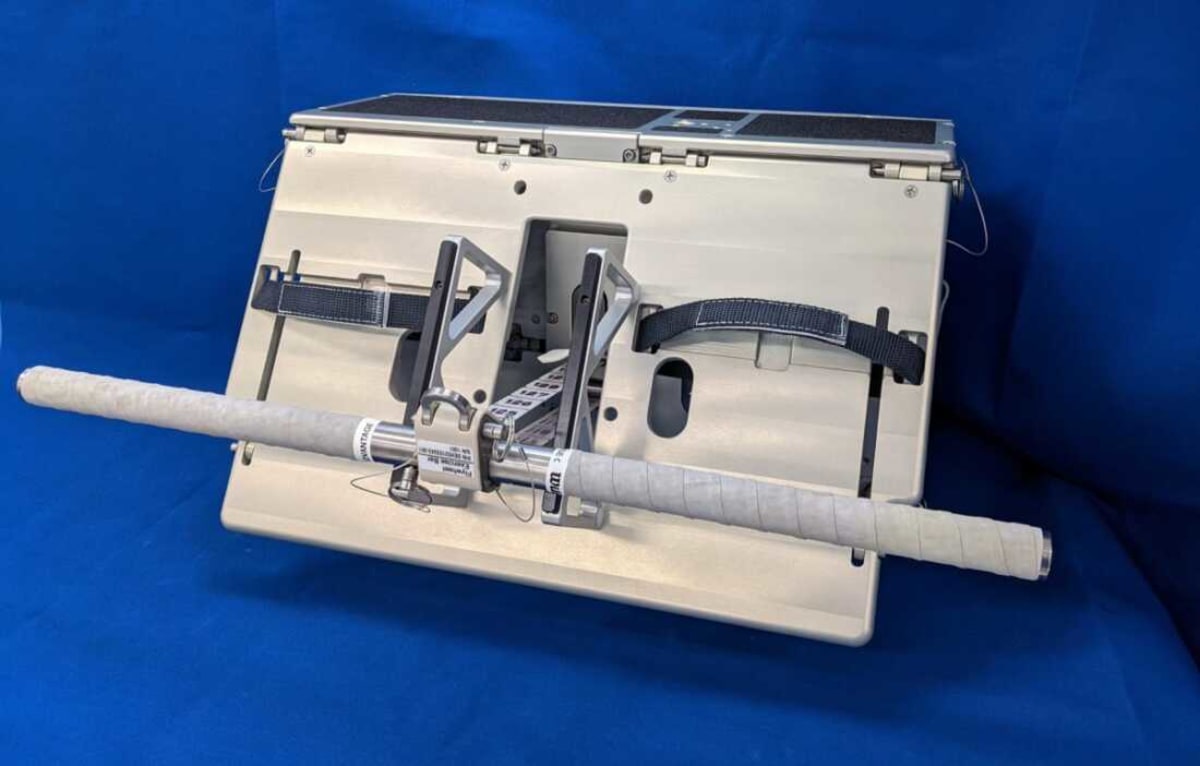
The Artemis II crew is testing a compact device called a flywheel that prevents the rapid muscle loss astronauts face in space. Without gravity's constant pull, muscles and bones can weaken dramatically in just days.
The flywheel works like a high-tech yo-yo. Astronauts strap their feet to a platform and pull on a cable that spins a wheel, getting as much resistance as they put in. Despite being the size of an extra-large shoebox, it delivers workouts equivalent to 400 pounds of resistance.
Canadian astronaut Jeremy Hansen compares it to a rowing machine that adapts to your effort. The crew can do everything from cardiovascular sessions to weightlifting moves like squats, deadlifts and curls, all in Orion's cramped quarters that measure just 316 cubic feet.
Exercise physiologist Jessica Scott helped develop early prototypes by studying "pillownauts," volunteers who stayed in bed for 70 days straight. When NASA put out a call for 30 positions, over 10,000 people applied to lie down for science.
The bed rest mimics what happens to astronauts in space. "Ten days in space is like ten days in bed," Scott explains. "You would feel very weak and your muscles start to lose size very quickly."
Researchers divided the pillownauts into groups. Some stayed in bed all day, some used traditional gym equipment, and some used the flywheel. The compact device prevented muscle decline just as effectively as a full gym.
After his first 30-minute session, astronaut Reid Wiseman reported the flywheel delivered a solid workout without driving his crewmates crazy with noise. No earplugs required.
The Ripple Effect
The research reaches far beyond space travel. Radiologist Thomas Lang points out that everyone experiences muscle and bone loss with age, starting in our late twenties or early thirties.
Women face sharp declines during menopause, while men see gradual losses through their 70s and 80s. The flywheel's success in preventing rapid muscle atrophy could offer solutions for aging populations worldwide.
Scott envisions a future where everyone has their own flywheel, small enough to fit under a desk or in an office corner. For the millions who struggle with time and space constraints for exercise, astronaut-tested technology might become the great equalizer.
The device hasn't been tested for longer space missions yet, but Scott remains hopeful it could support astronauts during extended periods without gravity and busy people trying to stay healthy on Earth.
More Images


Based on reporting by NPR Science
This story was written by BrightWire based on verified news reports.
Spread the positivity!
Share this good news with someone who needs it