NASA Funds 2 Scientists Solving Space Health Challenges
Two early-career researchers just earned NASA fellowships to tackle critical challenges keeping astronauts healthy in space. Their work on space food and eye health could benefit people on Earth too.
The next generation of space health scientists is stepping up to solve problems that have stumped experts for years.
NASA's Translational Research Institute for Space Health (TRISH) just selected two postdoctoral fellows to tackle some of human spaceflight's toughest medical challenges. Dr. Baiyang Liu from Columbia University and Dr. Dylan Pham from Texas A&M University will begin their projects this month.
Dr. Liu is developing an improved strain of spirulina, a nutrient-packed algae that could feed astronauts on extended missions to Mars and beyond. Fresh, nutritious food remains one of the biggest unsolved problems for deep space travel, where resupply missions are impossible.
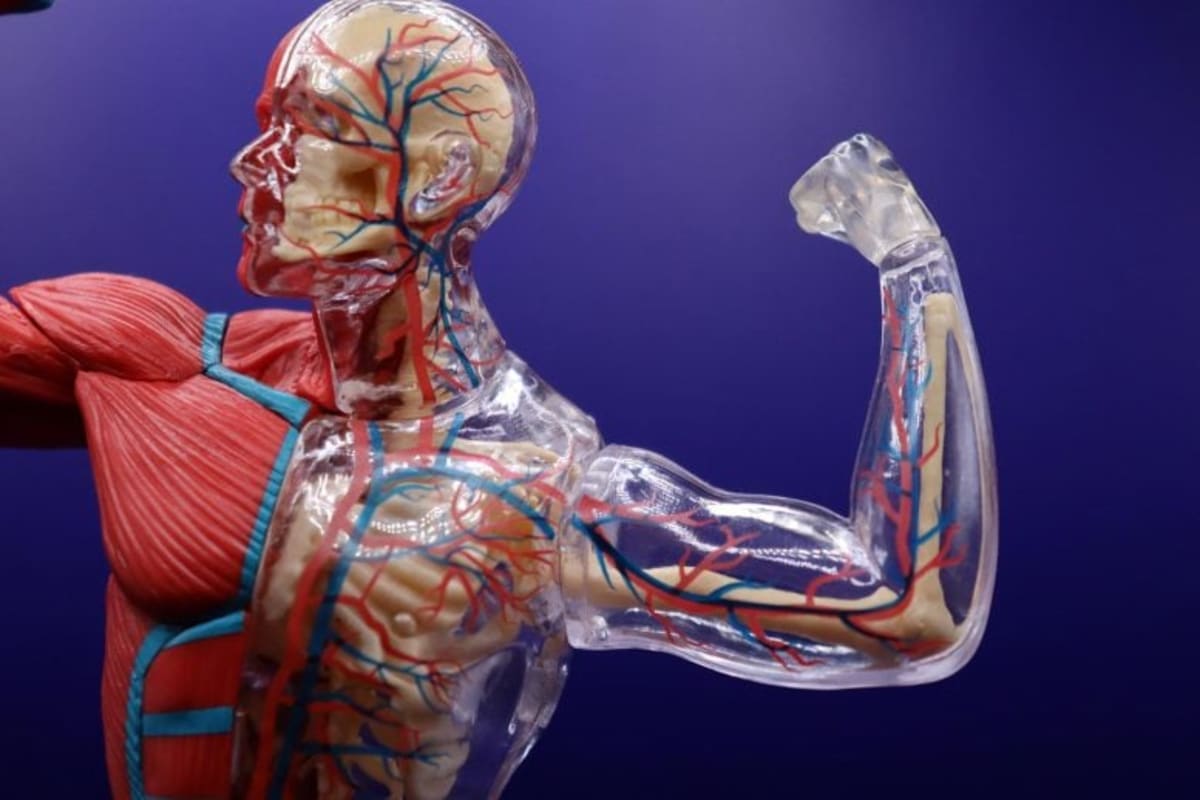
Dr. Pham is investigating how microgravity and aging affect astronaut vision and eye health. Many astronauts experience vision problems after spending months in space, and scientists are still working to understand why.
The TRISH fellowship program funds independent research that reduces health risks for space travelers while also improving life here on Earth. That dual mission means breakthrough discoveries in orbit often lead to better medical treatments for everyone.
"By investing in the next generation, we are building the capability required to achieve a sustained presence on the Moon and extend human exploration deeper into space," said Dr. Dorit Donoviel, executive director of TRISH.
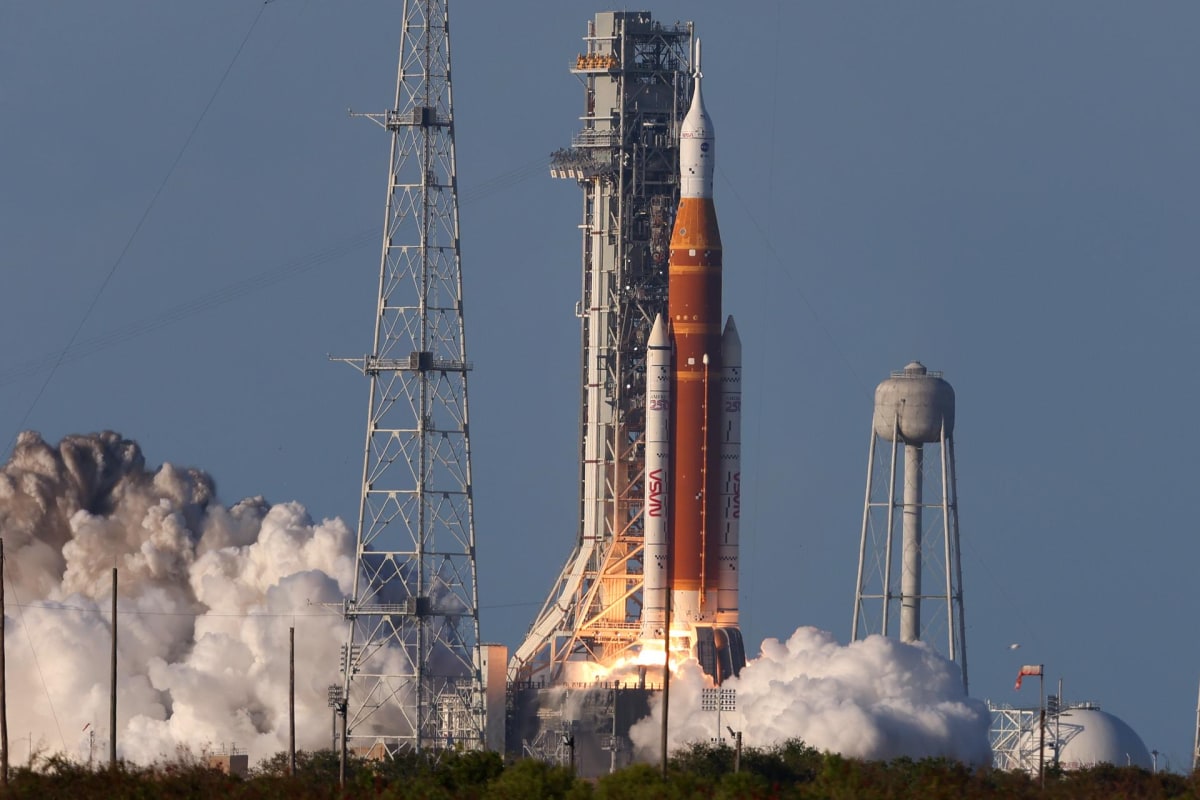
Both fellows bring fresh perspectives and cutting-edge expertise to challenges that have persisted since the early days of human spaceflight. Their research will directly support NASA's Artemis program, which aims to establish a permanent human presence on the Moon.
The Ripple Effect
Space health research has a remarkable track record of improving medicine on Earth. Technologies developed to monitor astronauts have led to better heart monitors, insulin pumps, and cancer treatments used in hospitals worldwide.
Dr. Liu's work on optimized nutrition could help develop better food systems for remote communities and disaster relief. Dr. Pham's eye research may unlock new treatments for age-related vision loss affecting millions of people.
These fellowships represent more than just academic opportunities. They're investments in solving problems that matter whether you're floating 250 miles above Earth or standing firmly on the ground.
As humanity prepares to venture deeper into space than ever before, young scientists like Liu and Pham are ensuring we'll be healthy enough to make the journey and thrive when we arrive.
More Images
Based on reporting by NASA
This story was written by BrightWire based on verified news reports.
Spread the positivity!
Share this good news with someone who needs it