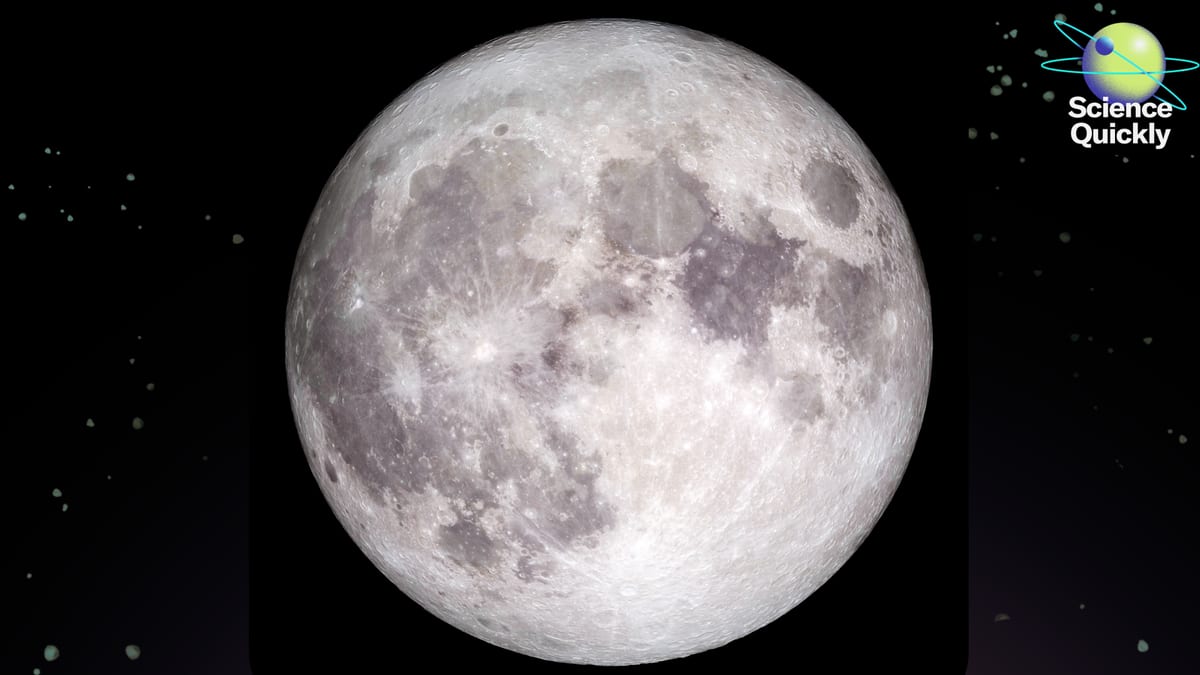
NASA Plans Nuclear Reactor on Moon by 2030
NASA wants to power lunar missions with a nuclear reactor by 2030, and experts say the ambitious timeline could revolutionize space exploration. The technology could enable permanent moon bases where 14-day nights make solar power impossible.
Imagine lighting up a village on the moon for 30 years with a device you could hold in your hand. That's the promise behind NASA's bold plan to place a nuclear reactor on the lunar surface by 2030.
Former acting NASA administrator Sean Duffy announced the ambitious timeline last August. While the deadline seems tight, scientists say nuclear power on the moon isn't just possible. It's probably necessary.
Here's why: The lunar south pole experiences 14-day-long nights. Solar panels can't keep astronauts alive or power research equipment during those long stretches of darkness. Nuclear reactors don't need sunlight and can generate steady power for decades.
The technology already powers deep-space spacecraft. NASA just needs to adapt it for the moon's extreme conditions.
Volcanologist turned science journalist Robin George Andrews explains that nuclear power has an unfair reputation. Yes, disasters like Chernobyl were catastrophic, but modern reactors are far safer. Eating a single banana exposes you to the same radiation as living next to a nuclear plant for a year because potassium is naturally radioactive.
The moon actually offers safety advantages over Earth. There's no surrounding ecosystem to protect, and the power requirements are much smaller than terrestrial needs.
The Bright Side
Engineers face fascinating challenges that push innovation forward. The moon's low gravity means water-based cooling systems won't work like they do on Earth. Instead, NASA will likely use air coolant shipped from our planet.
Temperature swings of hundreds of degrees between lunar day and night require creative solutions. Nuclear reactors generate enormous heat that must be expelled to prevent meltdowns. Without an atmosphere to help dissipate that energy, engineers are designing novel heat management systems.
These obstacles aren't roadblocks. They're opportunities to develop technologies that could power humanity's expansion into space.
The timeline might be optimistic, but the vision is sound. Decades of research have prepared us for this moment. Scientists have run countless safety tests and developed regulations specifically for lunar conditions.
A moon base with reliable nuclear power could become a launching point for Mars missions and deep-space exploration. It could enable permanent scientific research stations that unlock mysteries about our solar system's formation.
The dream of sustainable human presence beyond Earth just got a serious power source.
More Images

Based on reporting by Scientific American
This story was written by BrightWire based on verified news reports.
Spread the positivity!
Share this good news with someone who needs it