NASA Heat Shield Powers New Era of Space Manufacturing
A space capsule just blazed through Earth's atmosphere protected by cutting-edge NASA technology now manufactured by a private company for the first time. This breakthrough opens the door for more life-saving medicines and scientific discoveries to safely return from space.
A Varda Space Industries capsule plunged through Earth's fiery atmosphere on Thursday, protected by a heat shield the company manufactured itself using NASA technology for the first time ever.
The successful landing in South Australia marks a turning point for America's space industry. Companies can now produce their own advanced heat shields to safely bring valuable cargo back from orbit, including medical research and scientific experiments that could improve lives on Earth.
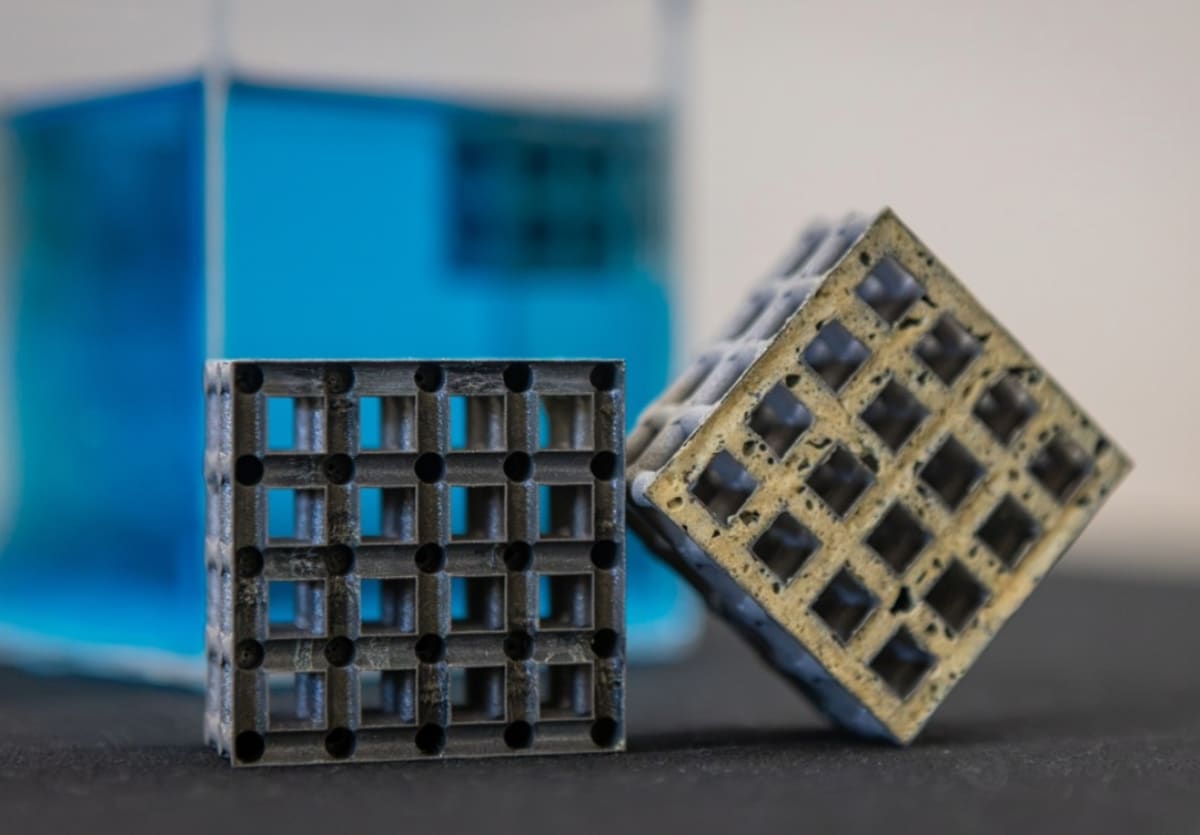
The protective material, called C-PICA, was developed at NASA's Ames Research Center in California's Silicon Valley over decades of testing and innovation. It's stronger, cheaper, and more efficient than older heat shield materials, providing critical protection as capsules endure temperatures hot enough to melt steel during reentry.
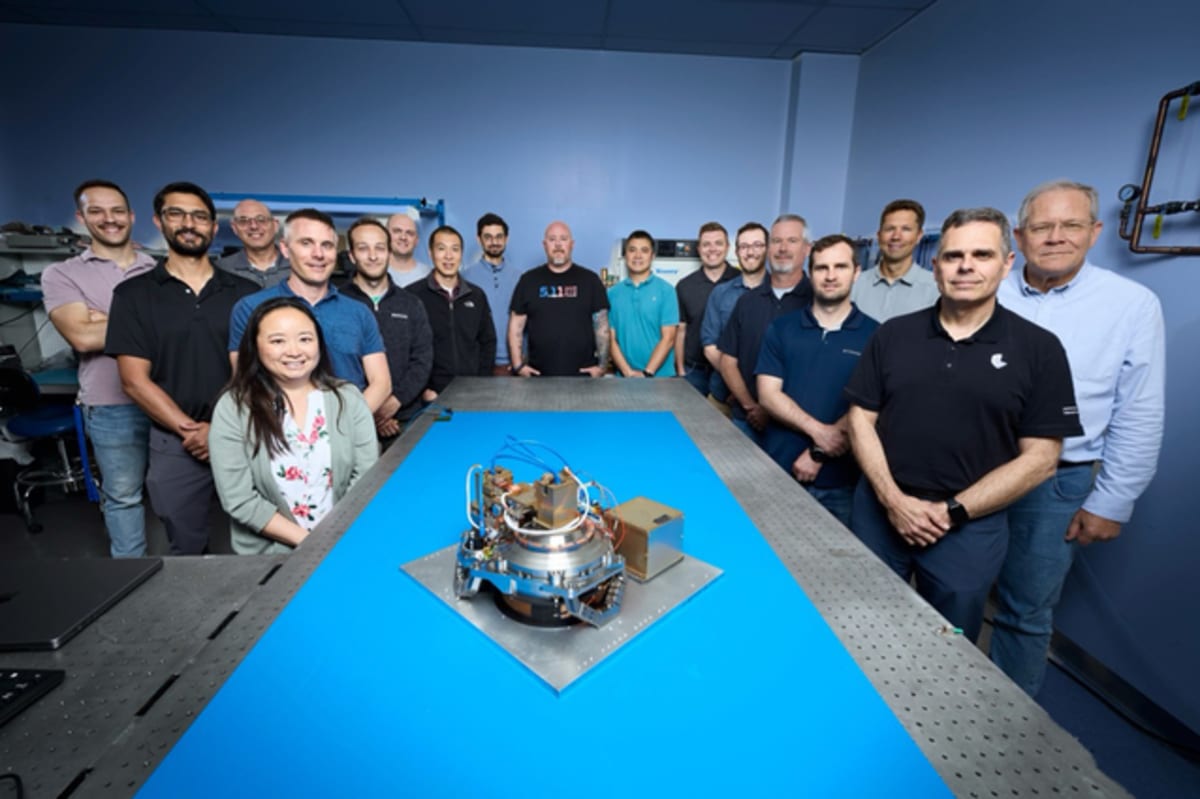
Varda became the first company to license the technology from NASA and has been working closely with the agency to master the complex manufacturing process. NASA provided technical support and helped gather flight data as Varda built its production capabilities from the ground up.
The W-5 capsule launched to orbit on November 28, 2025, carrying science and technology experiments from industry and government agencies. These kinds of missions depend on reliable heat shields to bring their precious cargo home intact.
"Heat shields allow us to bring the benefits of work done in space, including medical research, technology development, and scientific discovery, down to Earth to improve our everyday lives," said Greg Stover, associate administrator of NASA's Space Technology Mission Directorate.
The Ripple Effect
This collaboration between NASA and private industry reaches far beyond the space sector. Varda uses its capsules to process pharmaceuticals in microgravity, where the unique conditions can help create better medicines that would be impossible to manufacture on Earth.
NASA awarded Varda a Tipping Point grant in 2023 specifically to help the company begin C-PICA production and flight testing. By licensing the technology and sharing manufacturing expertise, NASA is making advanced heat shields available to more companies across the space industry.
Several other companies have now licensed C-PICA from NASA, and the agency continues working with commercial partners interested in the material. Each new manufacturer adds capacity to an industry that depends on safe reentry systems.
"This flight shows what's possible when NASA and our commercial partners collaborate closely to invest in learning together," said Danielle McCulloch, program executive of NASA's Flight Opportunities program. "Not only does it advance the U.S. space industry, but it also takes other industries like pharmaceuticals to the next level, with benefits that ripple out across society."
The growing sector of in-space manufacturing now has a clearer path forward, with reliable heat shield technology available to protect the innovations headed back to Earth.
More Images




Based on reporting by NASA
This story was written by BrightWire based on verified news reports.
Spread the positivity!
Share this good news with someone who needs it