NASA Launches 4 Astronauts to Moon After 52-Year Gap
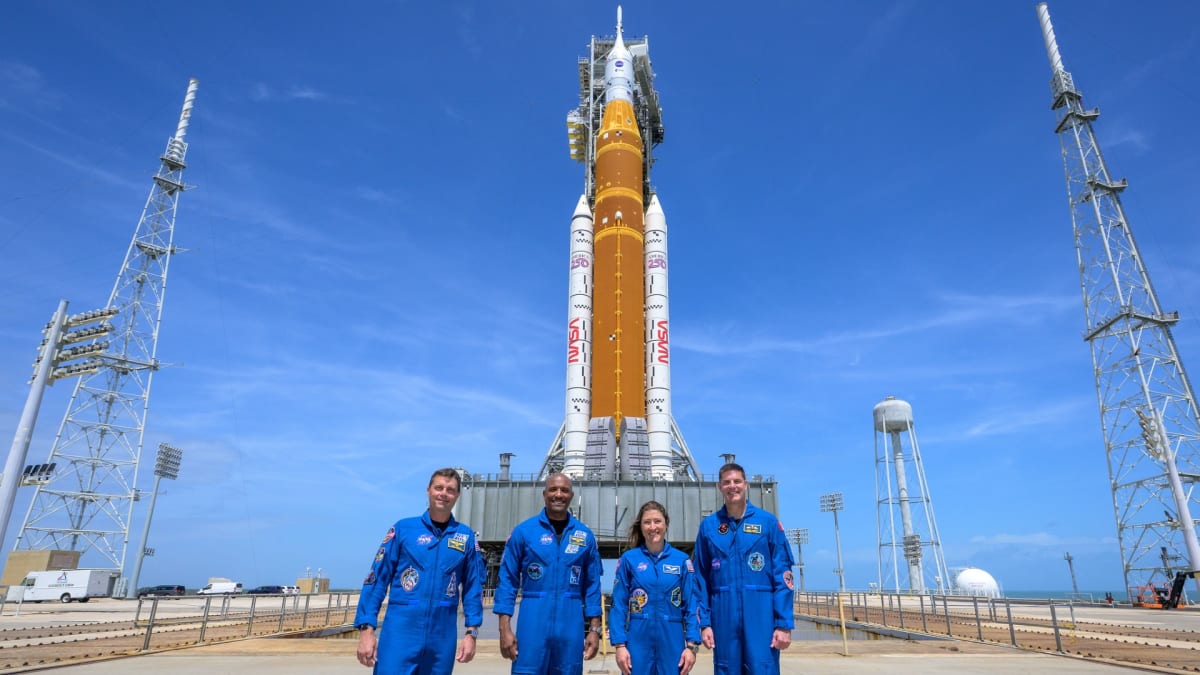
For the first time since 1972, humans are heading beyond Earth's orbit to the moon. NASA's Artemis 2 mission launched today, sending four astronauts on a journey that marks the beginning of humanity's return to deep space.
After more than five decades, humans are finally leaving Earth's neighborhood again.
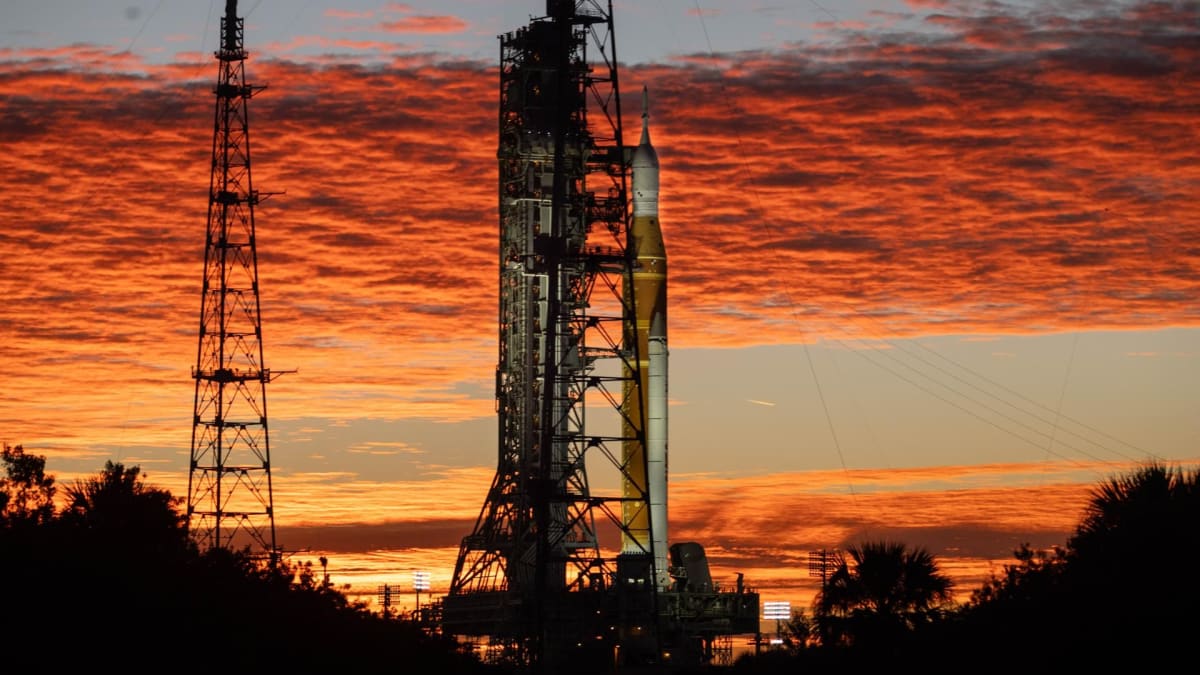
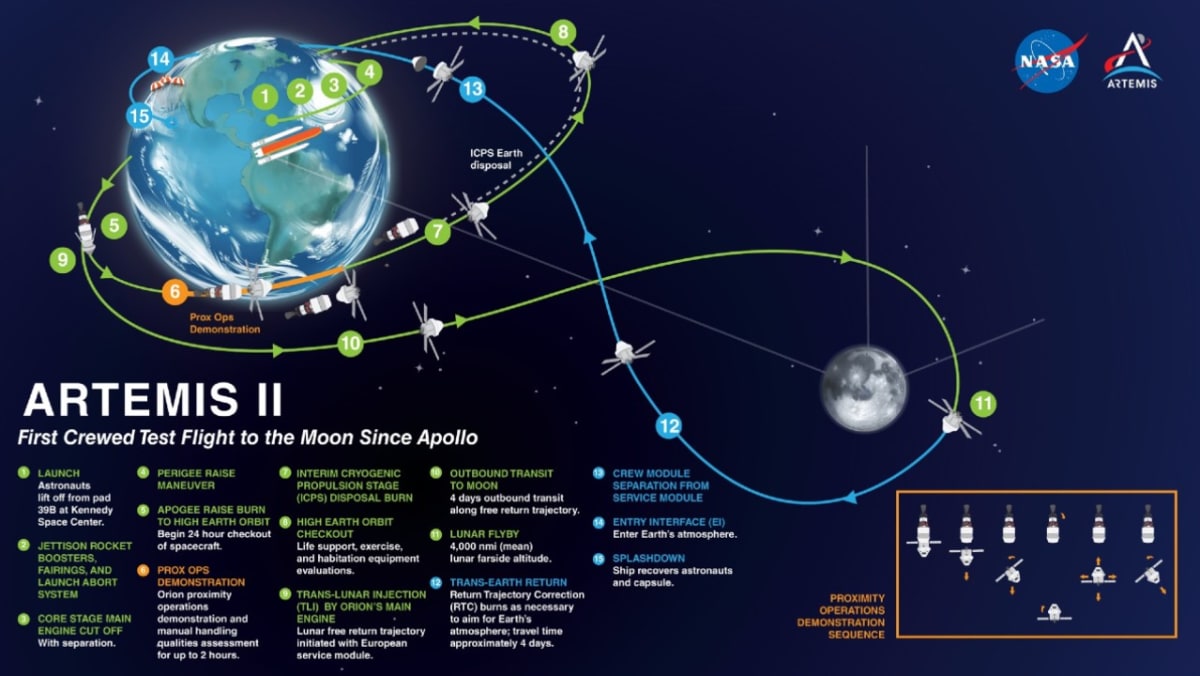
NASA launched its Artemis 2 mission today from Kennedy Space Center in Florida, sending four astronauts on a 10-day journey around the moon. It's the first time anyone has ventured beyond low Earth orbit since the Apollo 17 mission touched down on the lunar surface in December 1972.
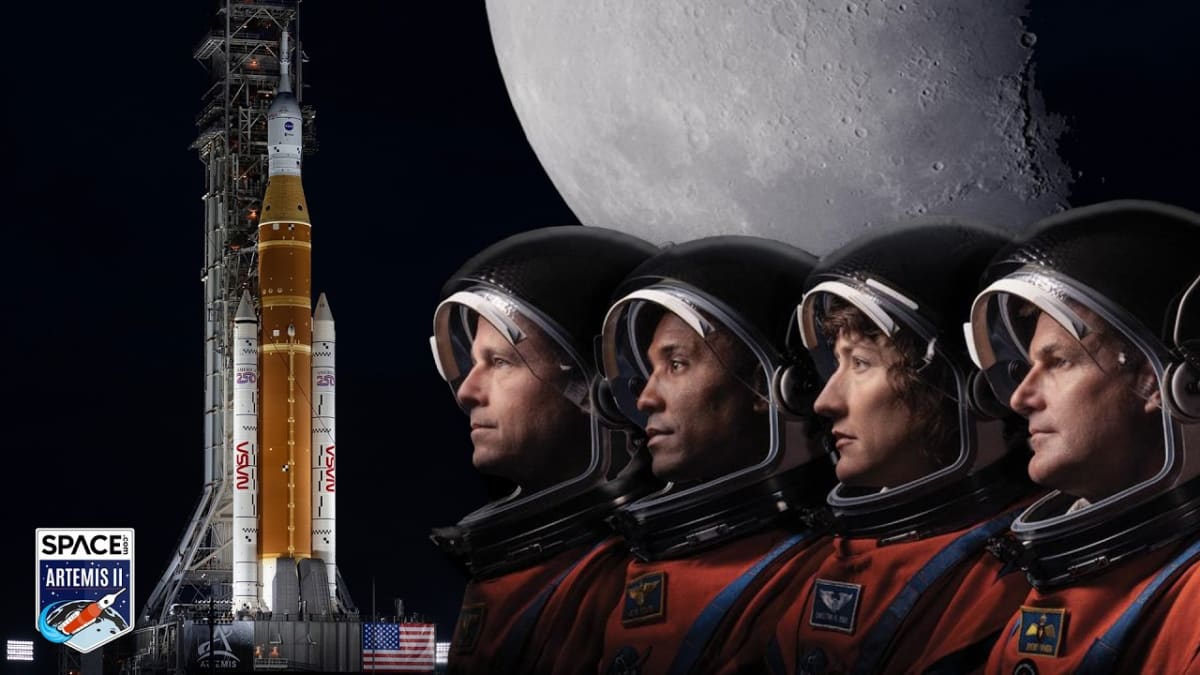
The crew riding NASA's Space Launch System rocket includes Reid Wiseman, Victor Glover, Christina Koch, and Canada's Jeremy Hansen. They'll circle the moon in an Orion capsule before returning home, testing whether the spacecraft can safely support humans in deep space for extended periods.
This mission breaks barriers beyond distance. Glover becomes the first person of color to travel to the moon, Koch becomes the first woman, and Hansen becomes the first non-American to venture into lunar space.
The crew won't land on the moon this time. Artemis 2 is designed to prove that Orion works as intended before NASA attempts a lunar landing on Artemis 4, currently planned for late 2028.
The Ripple Effect
This launch signals a fundamentally different approach to space exploration than the Apollo era. Back then, the goal was simple: beat the Soviet Union to the moon and demonstrate American technological superiority.
Now NASA plans to stay. The agency aims to build a base near the moon's south pole and establish a sustained human presence in deep space. Each mission will build on the last, creating infrastructure and knowledge that didn't exist during Apollo.
The lessons learned from living and working on the moon will prepare humanity for an even bigger leap. NASA hopes to send astronauts to Mars sometime in the 2030s or 2040s, using the moon as a testing ground for the technologies and systems needed for that journey.
This isn't just about revisiting old achievements. It's about charting a path forward that opens deep space not just for brief visits, but for the long haul.
Today's launch proves that after decades of orbiting close to home, humanity is ready to venture outward again.
More Images

Based on reporting by Space.com
This story was written by BrightWire based on verified news reports.
Spread the positivity!
Share this good news with someone who needs it