NASA Launches $30M Mission to Save Sinking Space Telescope
A robotic spacecraft is heading to orbit Wednesday to rescue a beloved telescope that's been studying the universe's most powerful explosions for 22 years. The mission could revolutionize how we extend the lives of satellites worth hundreds of millions of dollars. ---
NASA is launching a rescue mission to save a telescope that's helped scientists understand the universe's biggest booms for more than two decades.
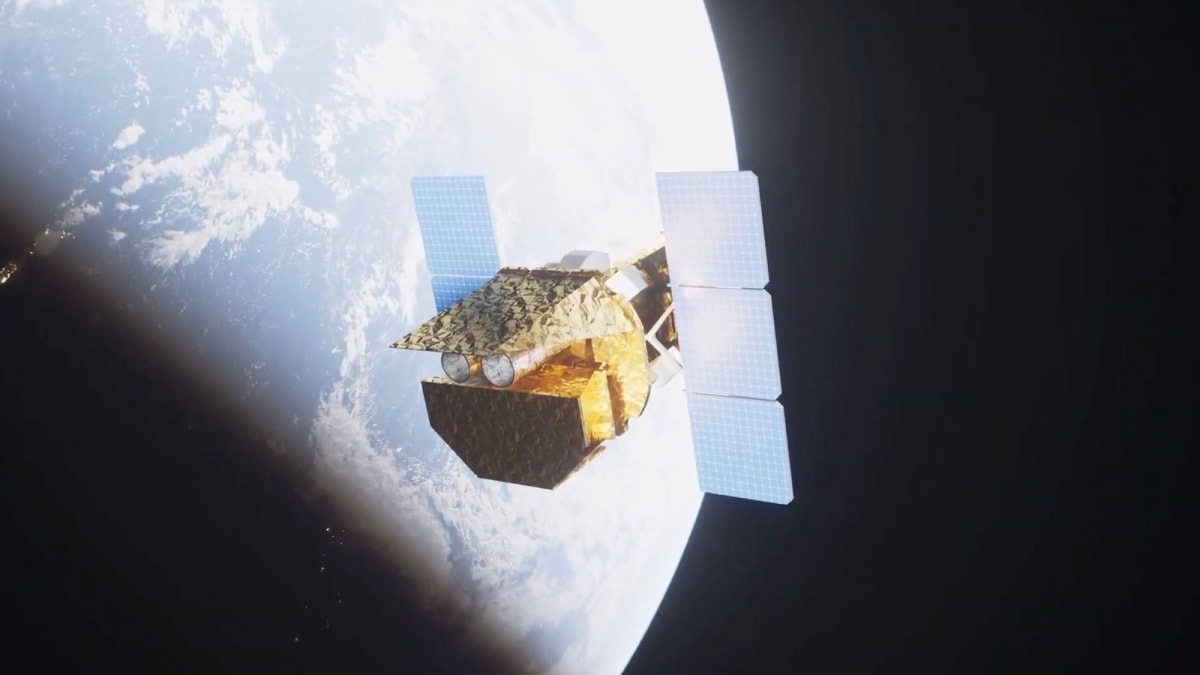
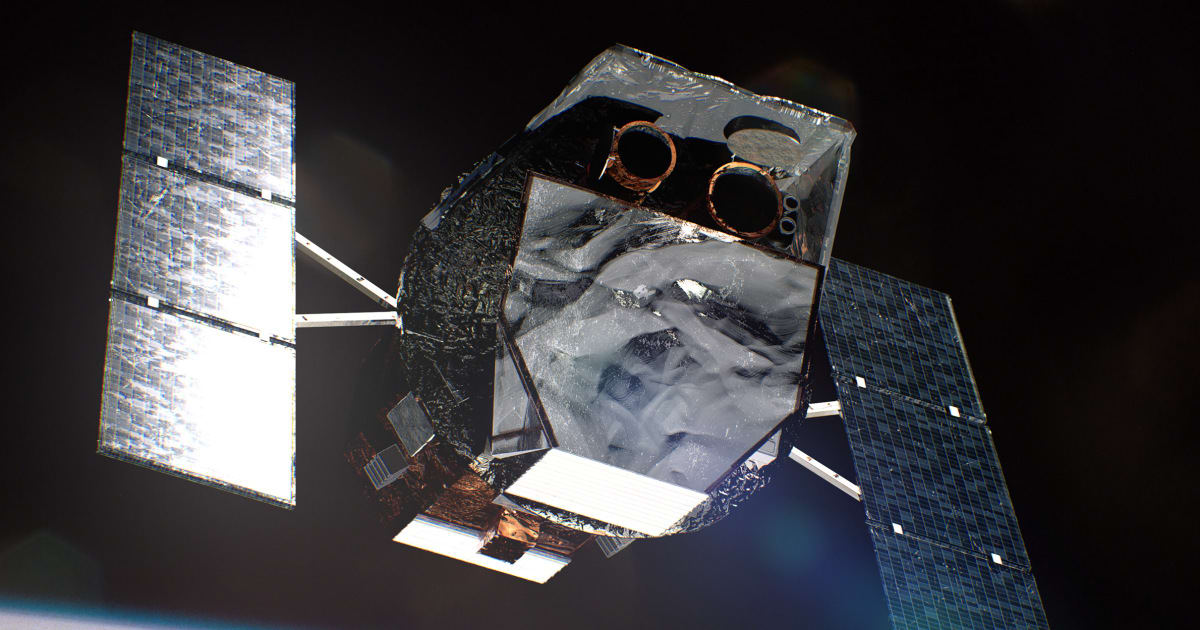
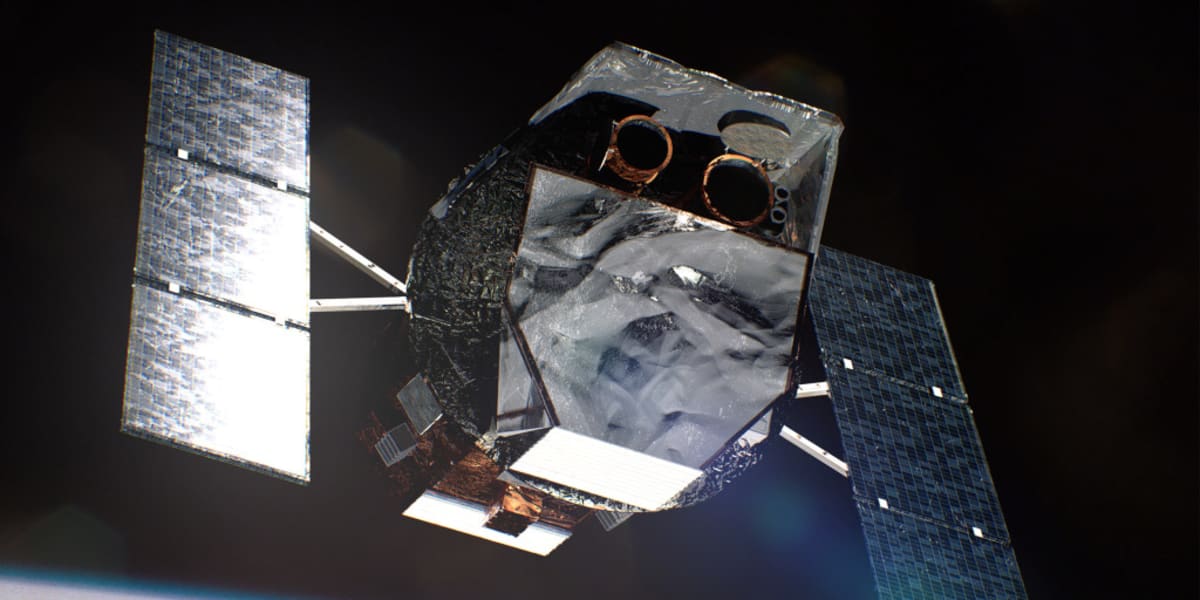
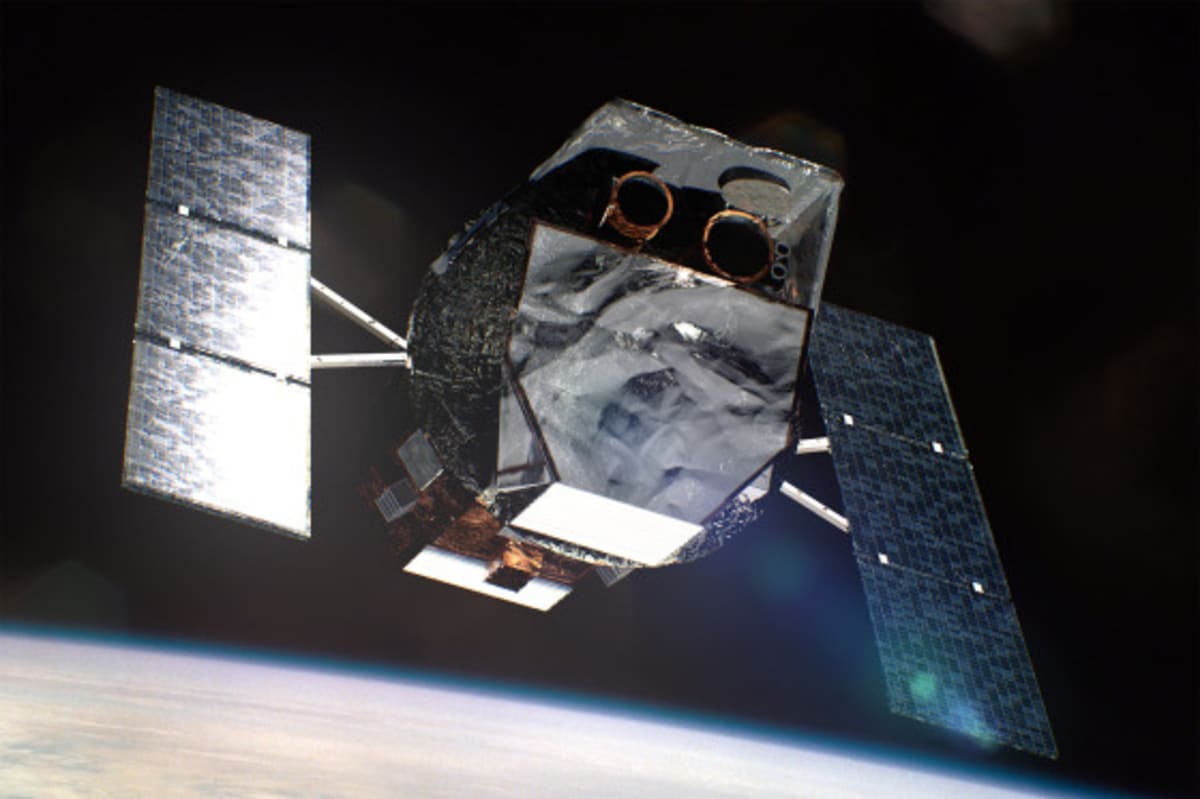
The Neil Gehrels Swift Observatory has been circling Earth since 2004, studying gamma-ray bursts from black holes forming and stars colliding. But intense solar activity in 2024 heated Earth's atmosphere, creating thicker air that's dragging the telescope down toward a fiery end.
If nothing changes, Swift will drop below a critical altitude of 185 miles by October and eventually burn up in the atmosphere. NASA decided this telescope was too valuable to lose.
"It is a swift observatory that can quickly pivot across the night sky to find things that go boom in the night," said Shawn Domagal-Goldman, director of NASA's astrophysics division. "So we decided, yeah, we want to go save this one this time because of how special it is."
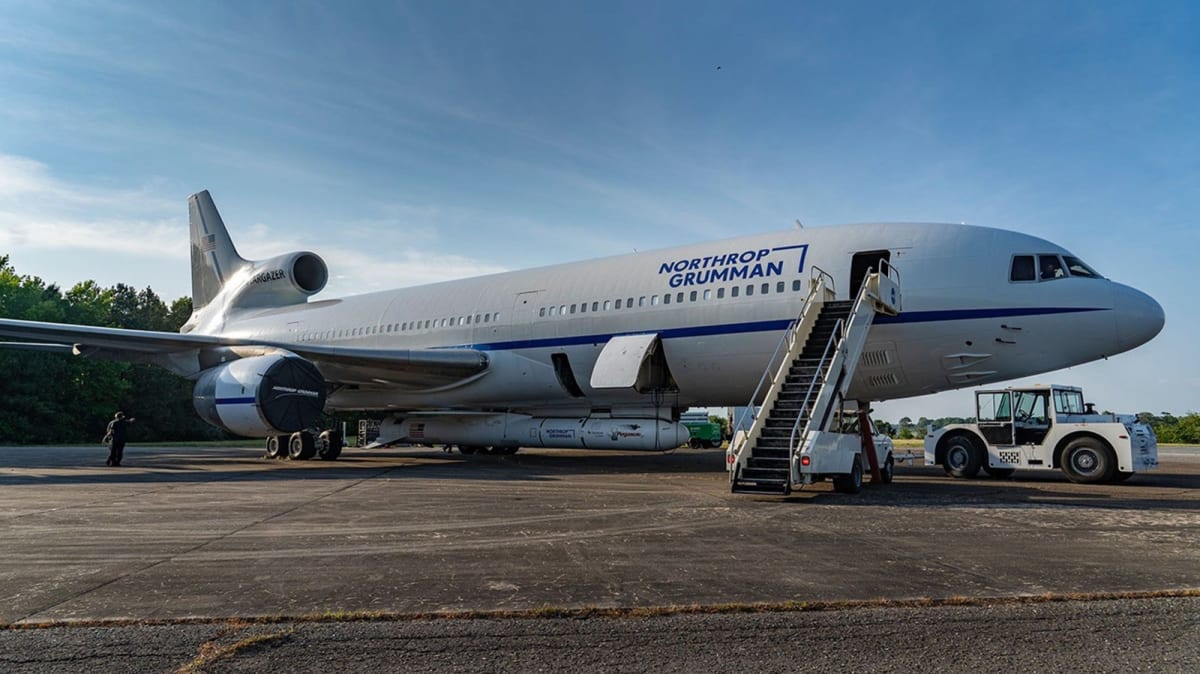
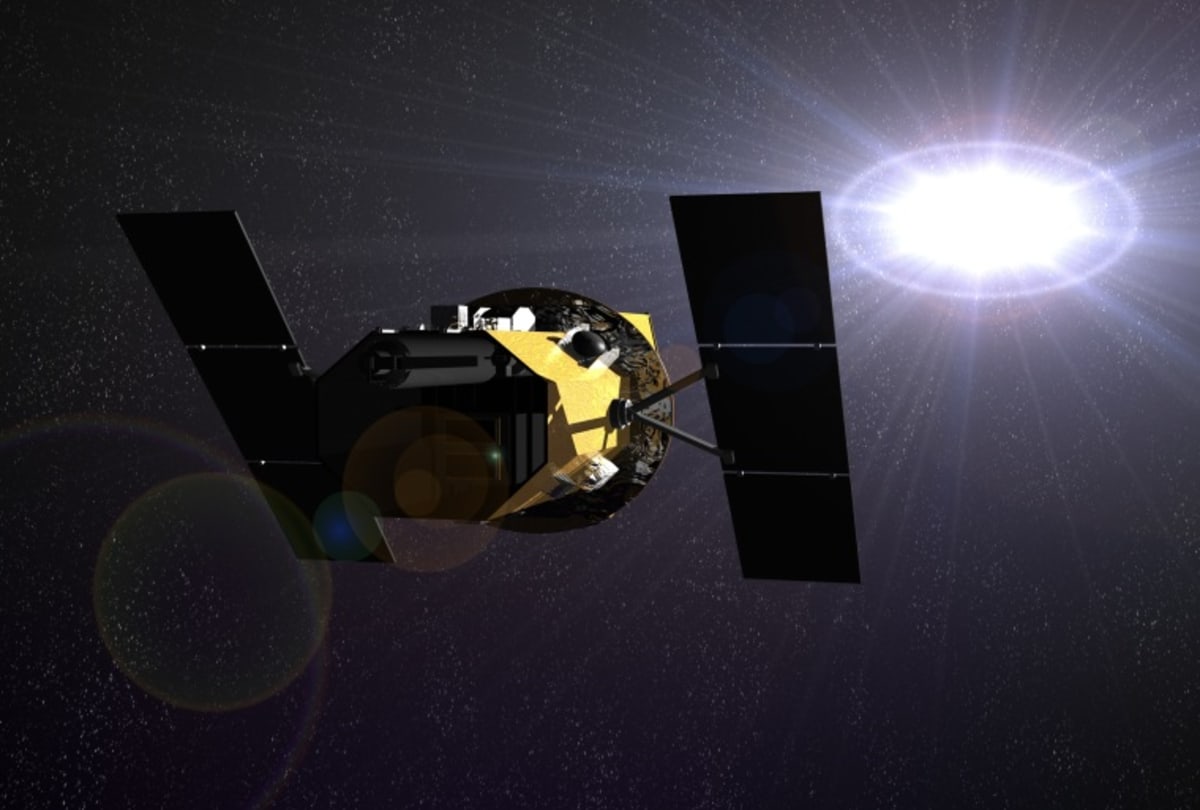
The rescue plan sounds like science fiction. A plane will take off from the Marshall Islands carrying a rocket, which will deploy an 880-pound robotic spacecraft called LINK into orbit.
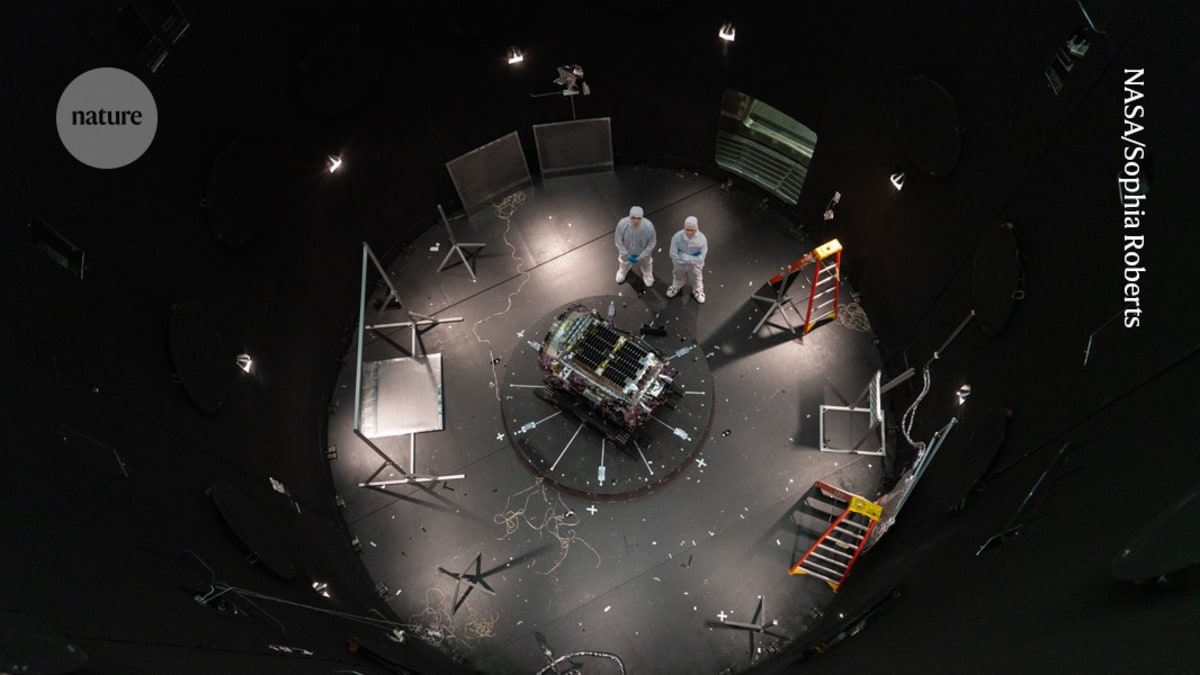
LINK will then chase down Swift, capture it, and slowly boost it back to a safer orbit over several months. The tricky part? Swift was never designed to be serviced in space and has no thrusters to help with the rendezvous.
Arizona-based Katalyst Space Technologies built LINK in under a year for $30 million. That's a bargain compared to Swift's original $300 million price tag.
Why This Inspires
This mission represents more than saving one telescope. It's changing how we think about space hardware.
"For years and years, folks have thought about space as something where you build a satellite, you launch a satellite, it does its mission, and at the end of the mission, it gets disposed of," said Kieran Wilson from Katalyst Space Technologies. Now we can refuel, reposition, repair, and upgrade satellites even if they weren't built for it.
Swift has already exceeded expectations. Designed for a two-year mission, it's delivered 22 years of discoveries, including data on more than 1,400 gamma-ray bursts and the most distant explosion ever detected, from 13 billion light-years away.
Penn State astronomy professor John Nousek points out the bigger picture: "The new ability to retrieve a satellite will give NASA or other customers the capability to reuse, extend or add functions to existing spacecraft at a small fraction of the cost of a new mission."
If LINK succeeds, it opens the door to extending the lives of countless other satellites already in orbit, saving billions of dollars and reducing space waste. Instead of building new observatories from scratch, we can breathe new life into the ones already up there doing incredible work.
More Images

Based on reporting by Google News - Science
This story was written by BrightWire based on verified news reports.
Spread the positivity!
Share this good news with someone who needs it