NASA Launches Roman Telescope to Map 100,000 New Worlds
NASA's Nancy Grace Roman Space Telescope launches Sunday with vision 1,000 times faster than Hubble, ready to discover 100,000 new planets and unlock the universe's deepest mysteries. This powerhouse observatory will capture billions of galaxies in images so vast they'd need half a million HD screens to display.
NASA is about to give humanity the widest, deepest view of the universe we've ever had.
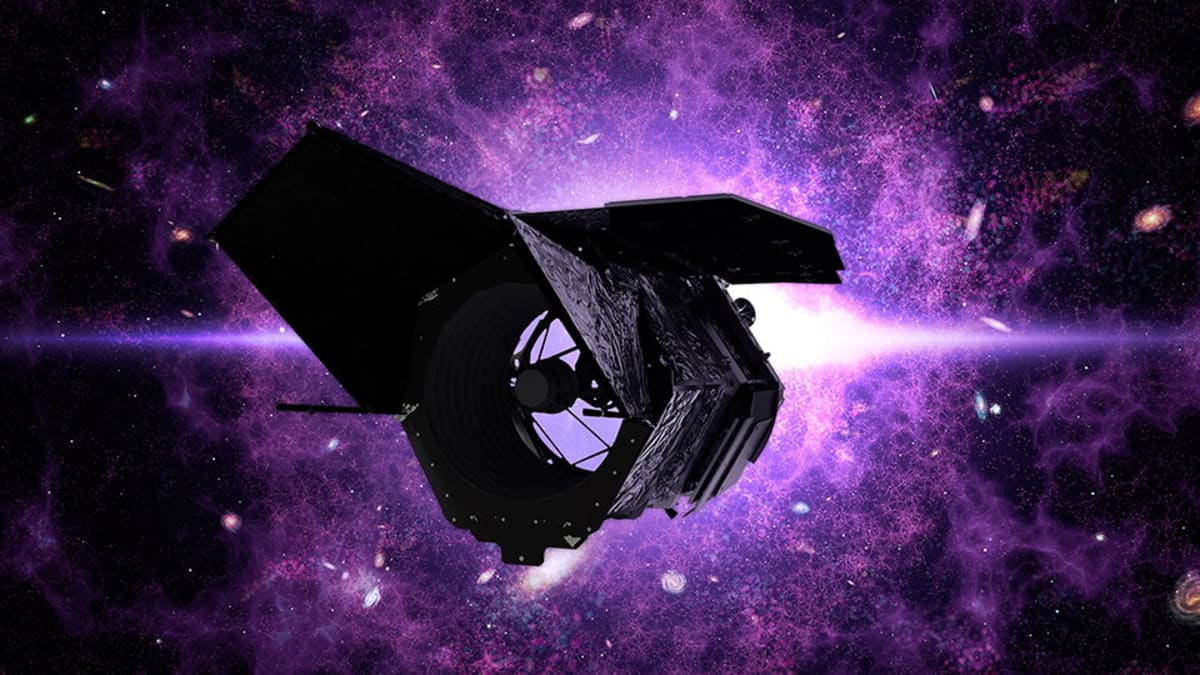
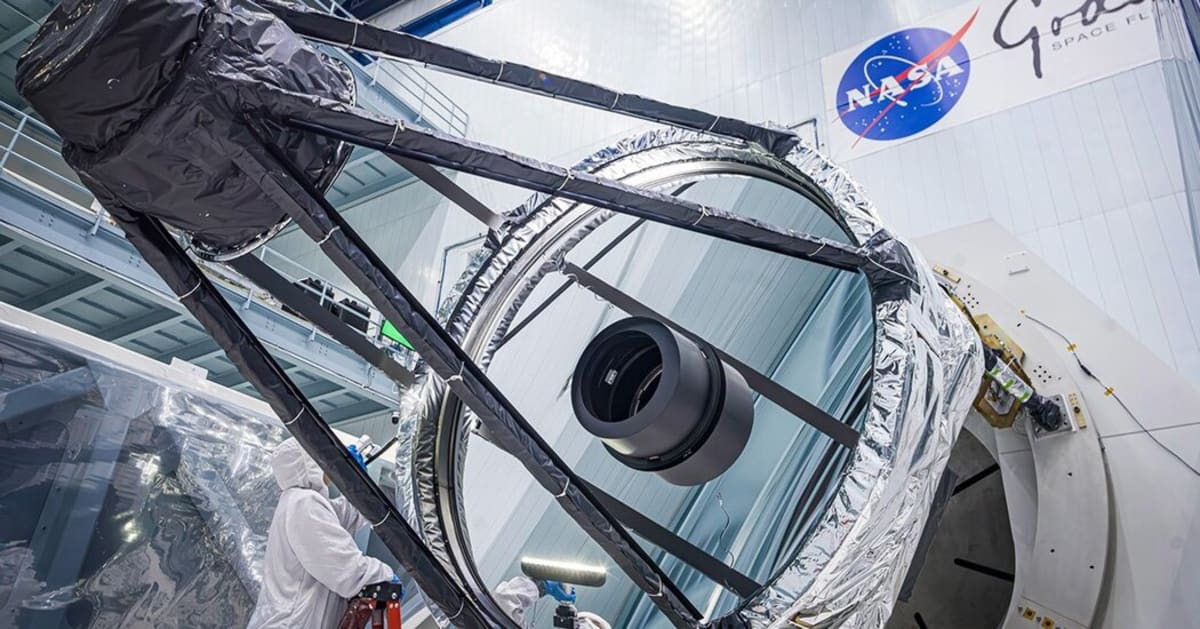
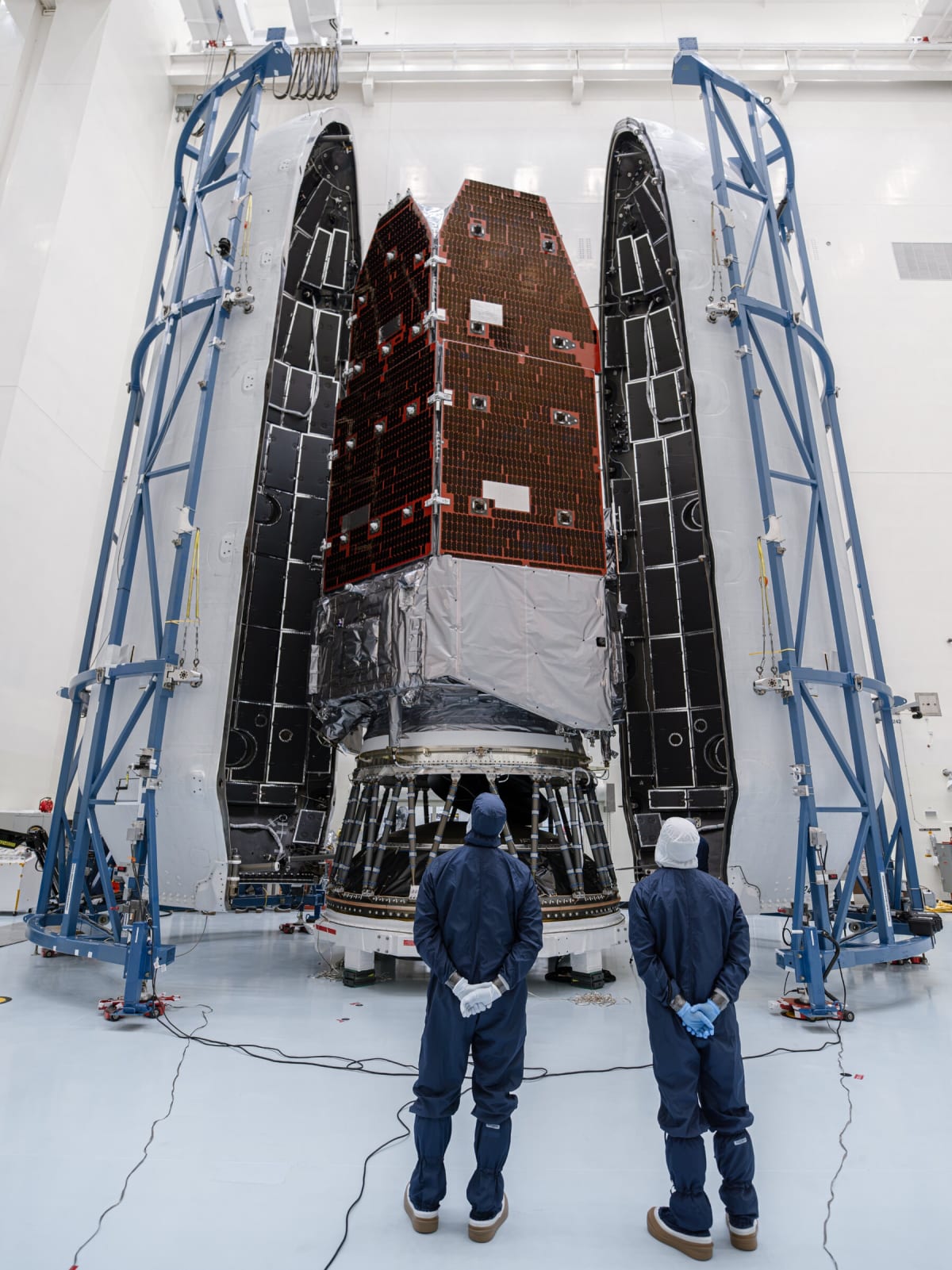
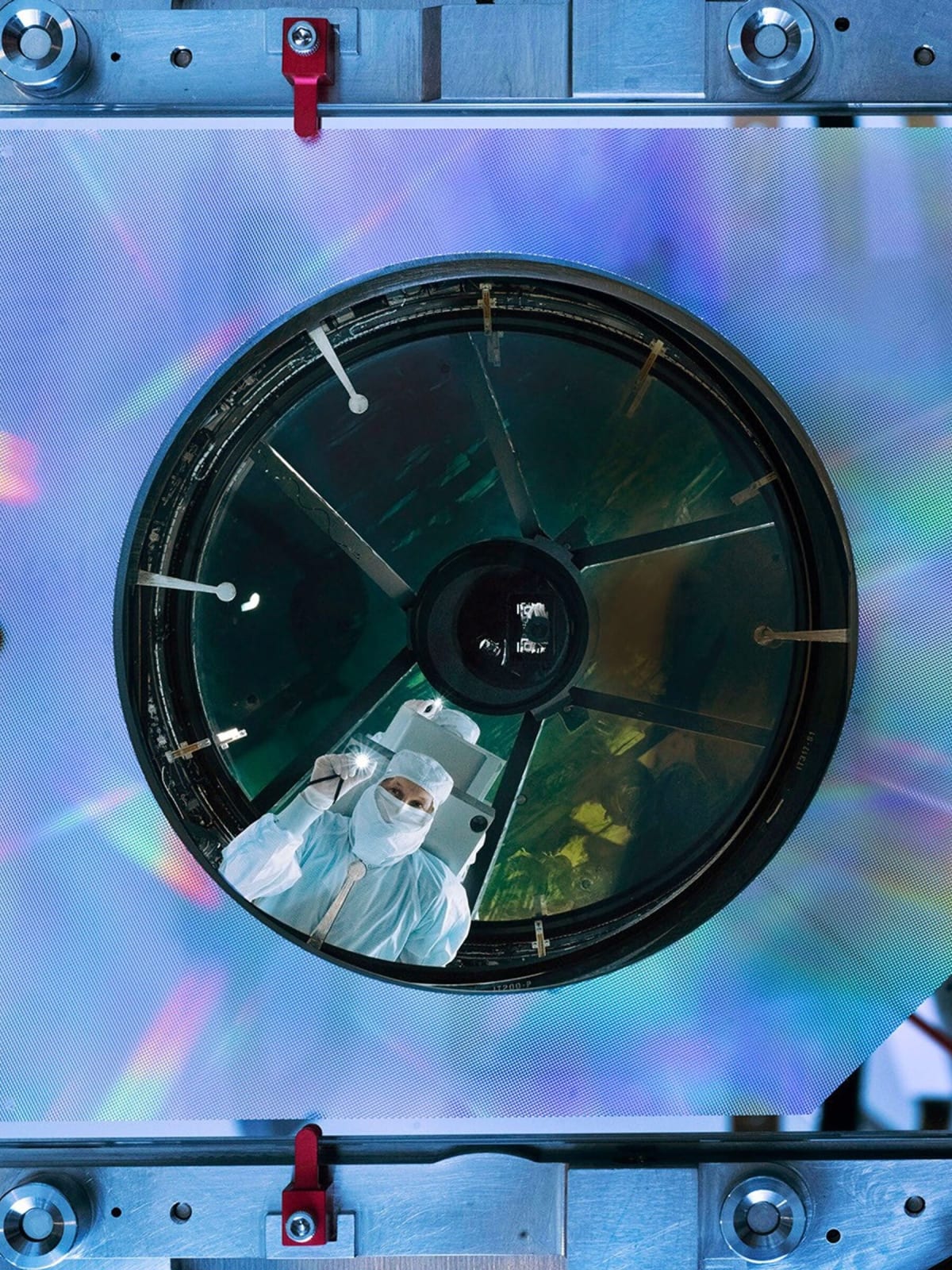
The Nancy Grace Roman Space Telescope launches Sunday from Cape Canaveral, joining Hubble and James Webb as the newest member of our cosmic observation fleet. With infrared vision up to 1,000 times faster and at least 100 times wider than Hubble's, Roman will capture billions of galaxies and stars in a single sweep.
The numbers are staggering. One Roman image would require more than half a million high-definition TVs to display in full. Astronomers expect the telescope to discover around 100,000 new planets beyond our solar system.
But Roman's real mission goes even deeper. Scientists will use its vast cosmic maps to finally understand dark matter and dark energy, the mysterious forces that make up 95 percent of our universe. We've been living with these fundamental questions since the 1980s, when astronomers first realized how little we knew about what fills the cosmos.
The original Hubble telescope changed everything when it launched in 1990. "It was bold to put a telescope in space," said Michael Turner, a cosmologist at the University of Chicago. "They were reaching for the stars, literally."
Roman takes that boldness to the next level. Its mission includes completing a full census of planets in our Milky Way galaxy, a task that seemed impossible just decades ago. Back in the 1980s, worlds beyond our solar system existed only in scientists' imaginations.
The Ripple Effect
Roman's wide-angle view means discoveries will come faster than ever before. Where Hubble might take weeks to survey a patch of sky, Roman will capture the same area in hours. That speed translates to more data, more discoveries, and more answers to questions that have puzzled humanity for generations.
The telescope's designers know some of the best findings will be complete surprises. They call these "unknown unknowns," the cosmic phenomena we haven't even thought to look for yet. History suggests these unexpected discoveries often matter most.
From understanding how the universe began to finding thousands of new worlds that might harbor life, Roman represents our next giant leap in cosmic exploration. Every great observatory has rewritten what we thought we knew about space, and this one promises to be no different.
Sunday's launch opens a new chapter in humanity's quest to understand our place in the universe, one brilliant discovery at a time.
More Images

Based on reporting by Google: NASA discovery
This story was written by BrightWire based on verified news reports.
Spread the positivity!
Share this good news with someone who needs it