NASA Names "Lunar Viceroy" to Build Moon Base by 2035
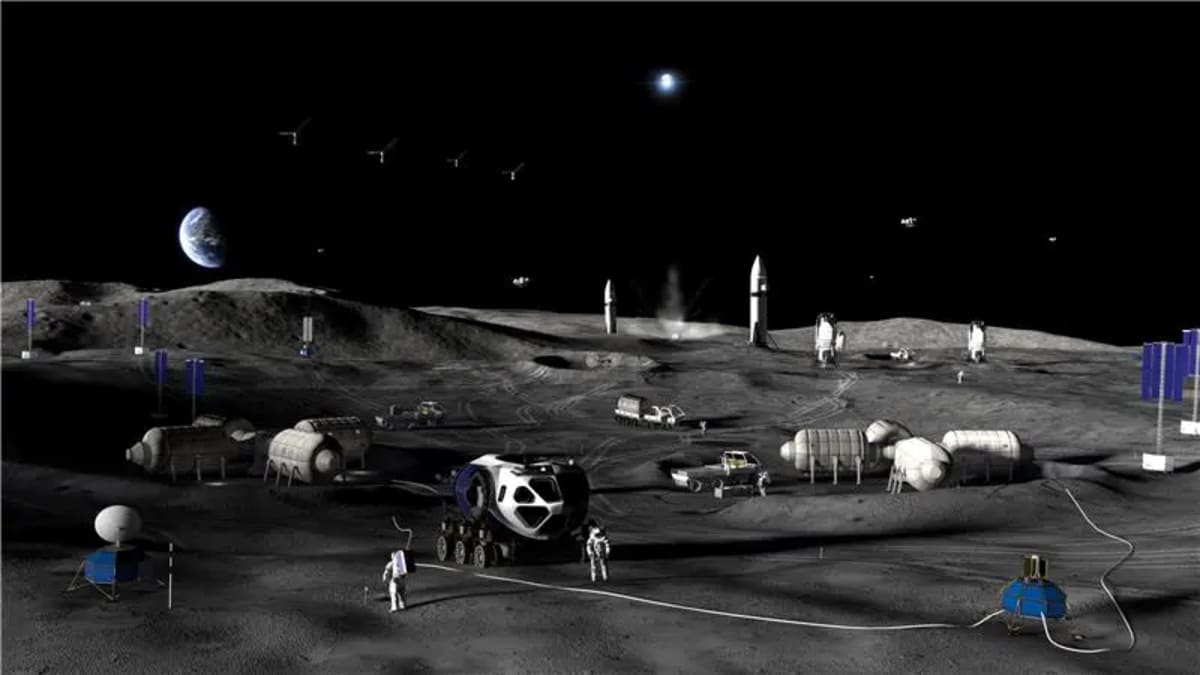
NASA has appointed Carlos Garcia-Galan to lead an ambitious plan to build a permanent Moon base, replacing the canceled Gateway orbital station. The agency is uniting all its lunar programs under one clear mission for the first time in years.
NASA just gave a longtime engineer one of the most exciting jobs in human history: build humanity's first permanent home on the Moon.
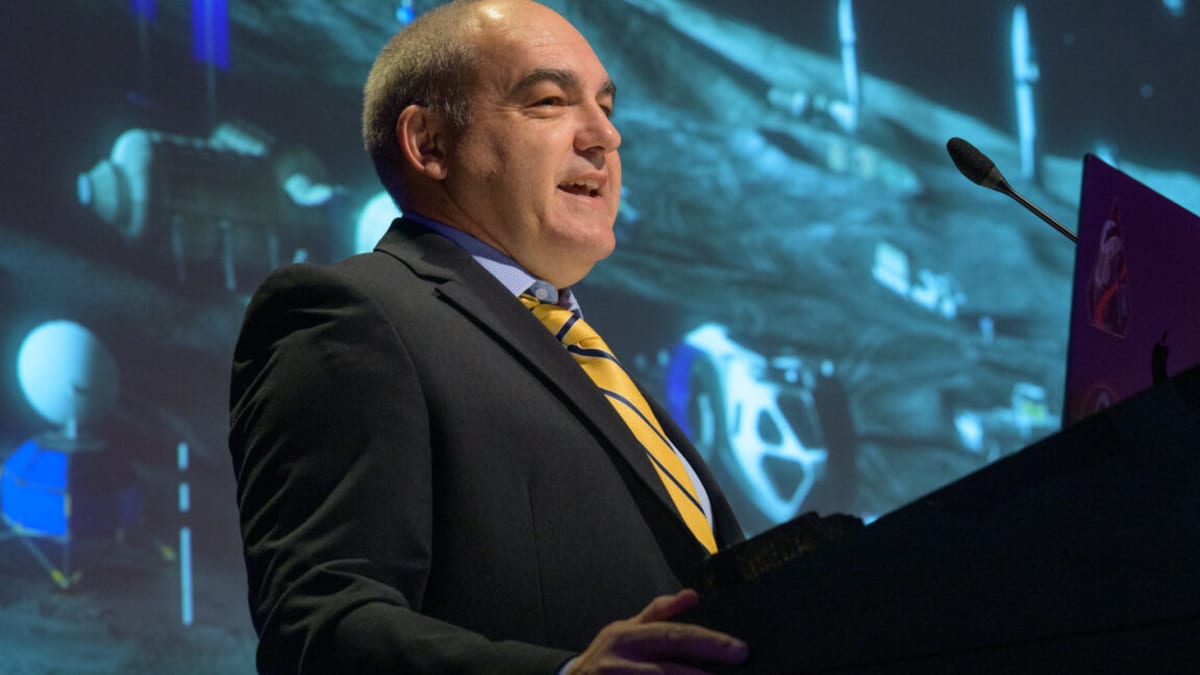
Carlos Garcia-Galan, playfully dubbed the "Lunar Viceroy" by NASA Administrator Jared Isaacman, is now leading the agency's bold pivot from building an orbiting lunar station to constructing an actual Moon base. The shift represents the clearest direction NASA has had for lunar exploration in decades.
Garcia-Galan previously worked on the Lunar Gateway, the now-canceled orbiting station that would have circled the Moon. Instead of feeling disappointed, he's energized by the new focus on getting boots on the ground where they belong.
"Everybody wants to be on the surface," Garcia-Galan told reporters at a Washington event this week. "Being on the surface is the right objective."
The ambitious plan calls for two Moon landings per year, a pace NASA has never attempted. Garcia-Galan's first priority is identifying what might slow them down, from supply chain issues to manufacturing bottlenecks across the entire space industry.
NASA is budgeting around $10 billion per phase, pulling from existing programs and redirecting them toward the Moon base goal. Five communications satellites already in the budget will now be designed specifically to support surface operations. The Commercial Lunar Payload Service program is getting drastically expanded.
International partners including Europe, Canada, and Japan are still figuring out their roles in the new architecture. But Garcia-Galan says the response has been overwhelmingly positive, with every partner excited about the surface focus despite having invested resources in the Gateway station.
Why This Inspires
What makes this story special isn't just the engineering challenge. It's watching someone channel decades of NASA experience into a singular, crystal-clear mission after years of scattered priorities.
Garcia-Galan calls it "the Jared factor," crediting Isaacman for bringing focus to an agency that had been pulled in too many directions. Having one clear goal instead of ten competing ones has transformed how teams across NASA approach their work.
The demanding launch cadence isn't meant to be easy. It's deliberately aggressive to expose weaknesses in the current system so NASA can fix them now rather than later. Finding the choke points early means solving them before they delay humanity's return to the Moon.
International cooperation hasn't evaporated with the architecture change. Partners understand they're all working toward the same dream, and being on the lunar surface beats orbiting above it.
In an era when space exploration often feels like distant science fiction, NASA just made it feel surprisingly real: one engineer, one mission, and a Moon base with humanity's name on it.
More Images



Based on reporting by Ars Technica
This story was written by BrightWire based on verified news reports.
Spread the positivity!
Share this good news with someone who needs it