James Webb Telescope Survives 25 Years to Change Astronomy
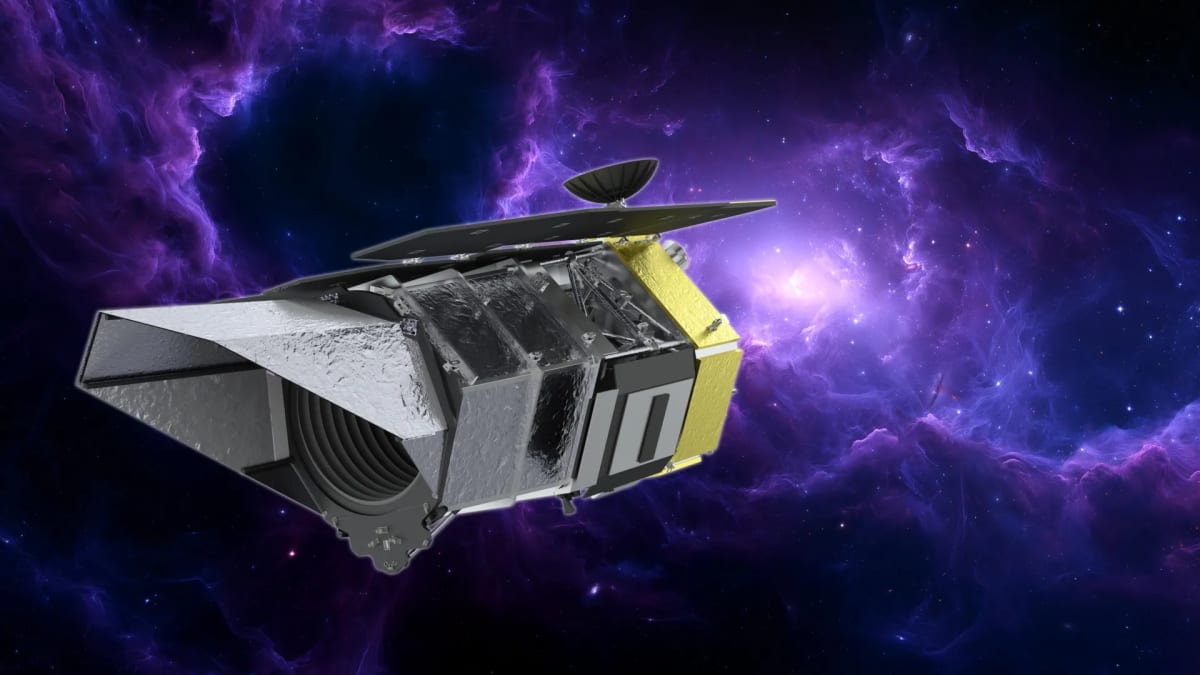
The $10 billion James Webb Space Telescope nearly died a dozen times over 25 years of budget battles and engineering nightmares. Now it's delivering groundbreaking discoveries across every field of astronomy.
After surviving 25 years of cancellation threats, the James Webb Space Telescope is now revolutionizing our view of the universe.
The telescope cost roughly $10 billion and launched on Christmas Day 2021 after decades of delays, budget battles, and near-impossible engineering challenges. Four and a half years later, it's delivering cutting-edge results across every field of astronomy, from the earliest galaxies to dust-shrouded star formation to cool exoplanet atmospheres.
The journey started before Hubble even launched. Astronomers in the late 1980s knew they needed an infrared telescope to see what Hubble couldn't: the universe's first billion years, when light from distant galaxies stretched beyond visible range into infrared.
Early estimates called for a budget around $500 million. The final cost grew nearly twenty times higher, and the launch date slipped from 2011 to 2021.
The closest call came in July 2011. The House Appropriations Committee voted to cancel the project outright after watching costs balloon from $1 billion to over $6.5 billion.
Senator Barbara Mikulski of Maryland fought to restore funding. The American Astronomical Society mobilized astronomers who believed the science couldn't be done any other way. The cancellation was withdrawn, but NASA had to agree to an $8 billion cost cap and a hard launch date of October 2018.
Both commitments would eventually be broken, but the project survived.
What made Webb so risky was its design. Unlike Hubble, which orbits close to Earth and has been serviced by astronauts five times, Webb operates 1.5 million kilometers from Earth at the second Lagrange point. If something fails, it stays failed.
The telescope had to unfold itself in space. The 6.5-meter mirror, tennis-court-sized sunshield, secondary mirror tower, radiator, and antennas all had to fit inside a rocket and deploy perfectly over two weeks.
NASA engineers identified 344 single points of failure. The sunshield, made of five layers of material thinner than human hair, had to separate without tearing after earlier ground tests had ripped it. Mirror segments had to align to within nanometers.
By 2018, sunshield tears during testing and contaminated thruster valves pushed launch to 2021. Congress held more hearings. Cancellation loomed again.
Why This Inspires
Webb represents something rare: a project where people refused to give up on what seemed impossible. Engineers solved problems no one had faced before at this scale. Scientists waited decades for data they knew would transform astronomy. Politicians defended funding for pure discovery when easier votes existed.
The telescope proves that some achievements require stubbornness as much as genius. Sometimes the most ambitious ideas survive not because they're easy, but because enough people believe the answer matters more than the cost.
Now Webb is doing exactly what those astronomers sketched out in the 1980s: showing us the universe we couldn't see before.
Based on reporting by Google: James Webb telescope
This story was written by BrightWire based on verified news reports.
Spread the positivity!
Share this good news with someone who needs it