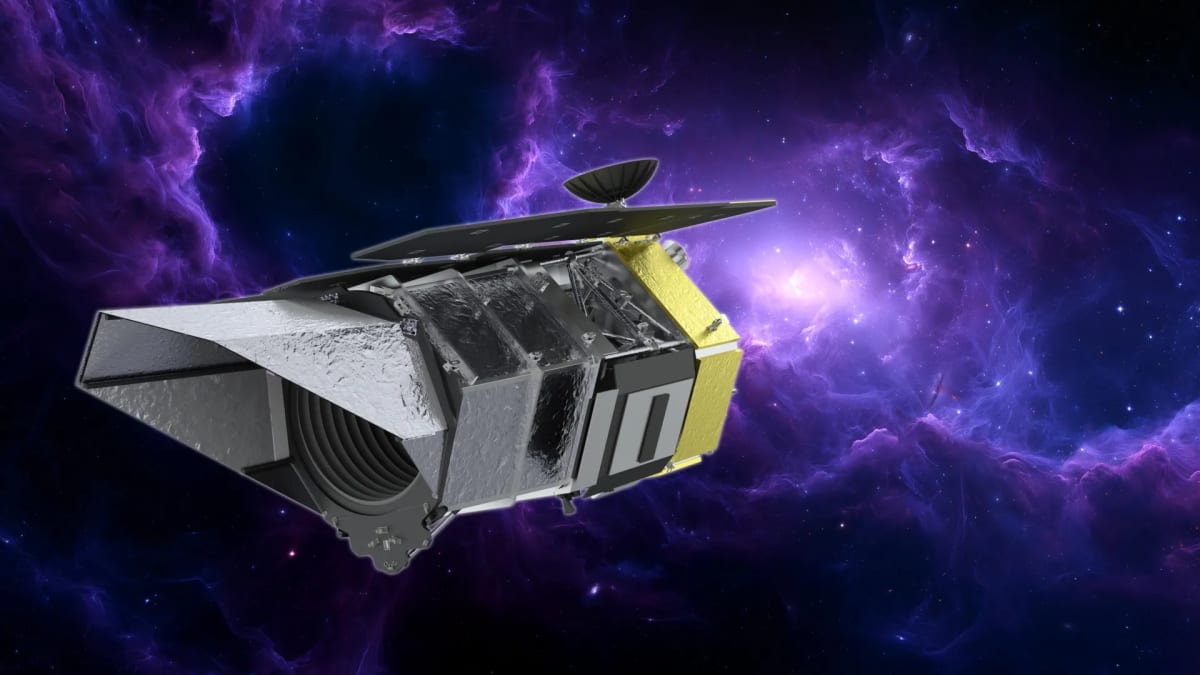
NASA Scientist Shares Team Secrets From Space Mission
When a billion-dollar spacecraft faced failure 12 days before launch, the team stayed calm and solved the problem together. Now the leader behind NASA's Psyche mission is sharing what she learned about building teams that thrive under pressure.
With just 12 days until launch, a critical component on NASA's $1.2 billion Psyche spacecraft stopped working at 2 a.m. The team had hours, not days, to fix a broken thruster before the entire mission to a metal asteroid would be scrapped.
But something remarkable happened. Instead of panic, the scientists listened to each other, formed problem-solving groups, and worked around the clock with trust and respect. The spacecraft launched on time and is now halfway through its six-year journey to asteroid 16 Psyche.
Lindy Elkins-Tanton led that team as the mission's principal investigator. She's also a planetary science professor at Arizona State University who spent a decade in business consulting before earning her doctorate. That close call at Kennedy Space Center taught her something powerful: the same skills that send spacecraft to distant asteroids can help any team succeed.
She just published "Mission Ready: How to Build Teams That Perform under Pressure," sharing lessons from leading one of NASA's most ambitious missions. The book reveals how she built a culture where people's expertise was respected and individuals mattered as much as the mission itself.
Elkins-Tanton says her background in business taught her something many scientists miss. She learned that most workplace problems aren't technical; they're about people and processes. At a helicopter manufacturer in her 20s, she discovered that inventory errors weren't because workers couldn't count but because the system rewarded speed over accuracy.
The Ripple Effect
Her approach challenges how we think about technical careers. She calls communication, teamwork, and empathy "durable skills" instead of "soft skills" because they apply to every human workplace. These abilities helped her team stay calm when a thruster failed because they'd built months of trust beforehand.
The Psyche spacecraft will reach its destination in 2029 to study a mysterious metal asteroid for two years. But the mission's impact is already being felt on Earth through the leadership lessons it generated.
Elkins-Tanton made a freeing choice early in her leadership journey: she would be authentically herself, sparkle nail polish and all. She learned that the best leaders help everyone else succeed and that collaboration beats top-down decisions in almost every situation.
Her message resonates beyond rocket science. Whether you're managing a spacecraft or a small team at work, the same principles apply: trust your people, respect their expertise, and remember that every challenge is ultimately about human beings working together.
The teams we build today will solve tomorrow's biggest problems, both on Earth and among the stars.
More Images



Based on reporting by Scientific American
This story was written by BrightWire based on verified news reports.
Spread the positivity!
Share this good news with someone who needs it