NASA Opens First Major Wind Tunnel in Over 40 Years
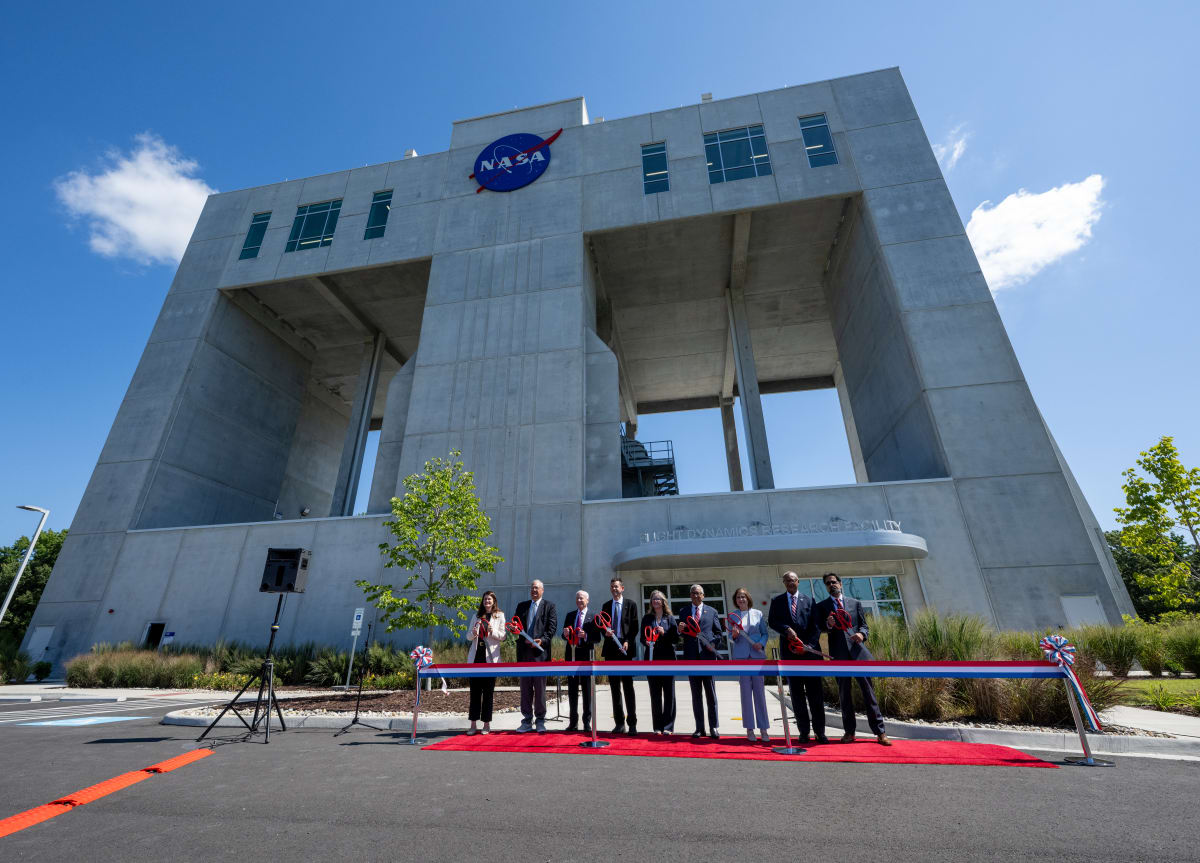
NASA just unveiled its first major new wind tunnel in more than four decades, a cutting-edge facility that will help put humans back on the Moon. The Flight Dynamics Research Facility at Virginia's Langley Research Center marks a major upgrade in America's aerospace testing capabilities.
After more than 40 years, NASA has something brand new to help unlock the mysteries of flight and space exploration.
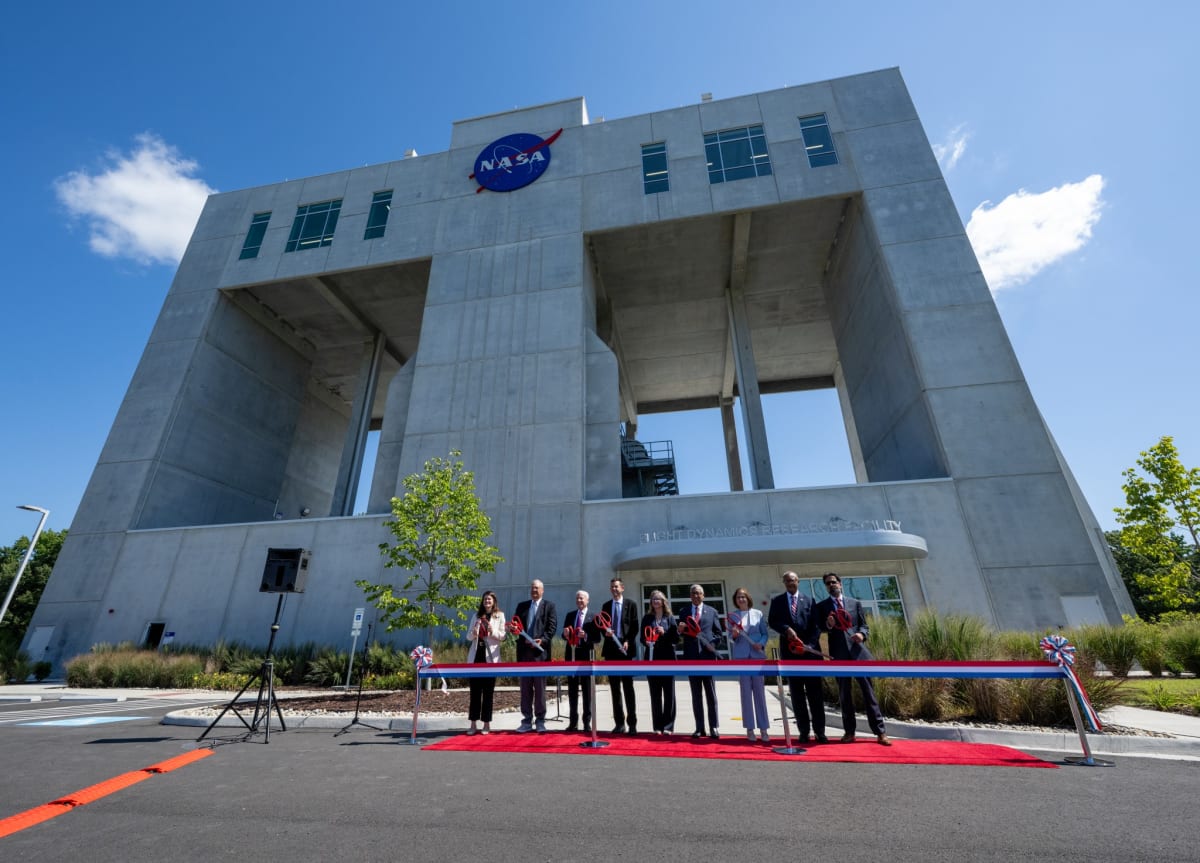
On July 31, 2026, NASA leadership and Virginia officials cut the ribbon on the Flight Dynamics Research Facility at Langley Research Center in Hampton, Virginia. This isn't just another government building. It's NASA's first major new wind tunnel since the 1980s, representing a massive leap forward in how America tests aerospace technology.
Wind tunnels might sound old school, but they remain essential for designing everything from spacecraft to aircraft. Engineers use these massive facilities to see how air flows around vehicles at different speeds and conditions. Without wind tunnels, there's no safe way to test new designs before they fly.
The new facility comes at a perfect time. NASA is deep into its Artemis program, which aims to establish a permanent human presence on the Moon, including the development of a Moon Base. Testing how spacecraft and equipment perform in different conditions is critical to keeping astronauts safe.
Why This Inspires
The 40-year gap between major wind tunnels tells a story many people forget. For decades, NASA has been making do with aging infrastructure while pushing the boundaries of what's possible. This new facility shows renewed commitment to aerospace innovation at the highest levels.
The state-of-the-art lab will support research across NASA's entire mission spectrum. That includes aeronautics research to make flying safer and more efficient, exploration technology for Moon and Mars missions, and science goals that help us understand our universe.
Hampton, Virginia, has been home to NASA Langley since 1917, making it the agency's oldest field center. The city has watched generations of aerospace breakthroughs happen in its backyard. Now it gets to host the next chapter in American space exploration.
The project brought together federal and state partners, including representatives from Virginia's government and the General Services Administration. That kind of collaboration across government levels shows how seriously everyone takes America's continued leadership in aerospace.
For young engineers and scientists watching, this new facility represents opportunity. It's a signal that the future of aerospace isn't just about private companies. Government investment in fundamental research infrastructure remains strong and essential.
The next Moon landing won't happen because of one breakthrough or one test. It will happen because of facilities like this one, where thousands of careful experiments help turn ambitious dreams into reliable reality.
More Images
Based on reporting by NASA
This story was written by BrightWire based on verified news reports.
Spread the positivity!
Share this good news with someone who needs it