NASA Opens Free Summer Engineering Program for Teens
NASA's Glenn Research Center is now accepting applications for a free five-day summer engineering institute where high school students will tackle real aerospace challenges alongside NASA experts. Rising juniors and seniors can apply through May 1 for one of three sessions in July.
Hundreds of high school students will get the chance to solve real NASA engineering problems this summer, and it won't cost them a penny.
NASA's Glenn Research Center in Cleveland just opened applications for its 2026 High School Engineering Institute, a free five-day program designed to give students hands-on experience with the kind of challenges NASA engineers face every day. The application window runs from March 20 through May 1.
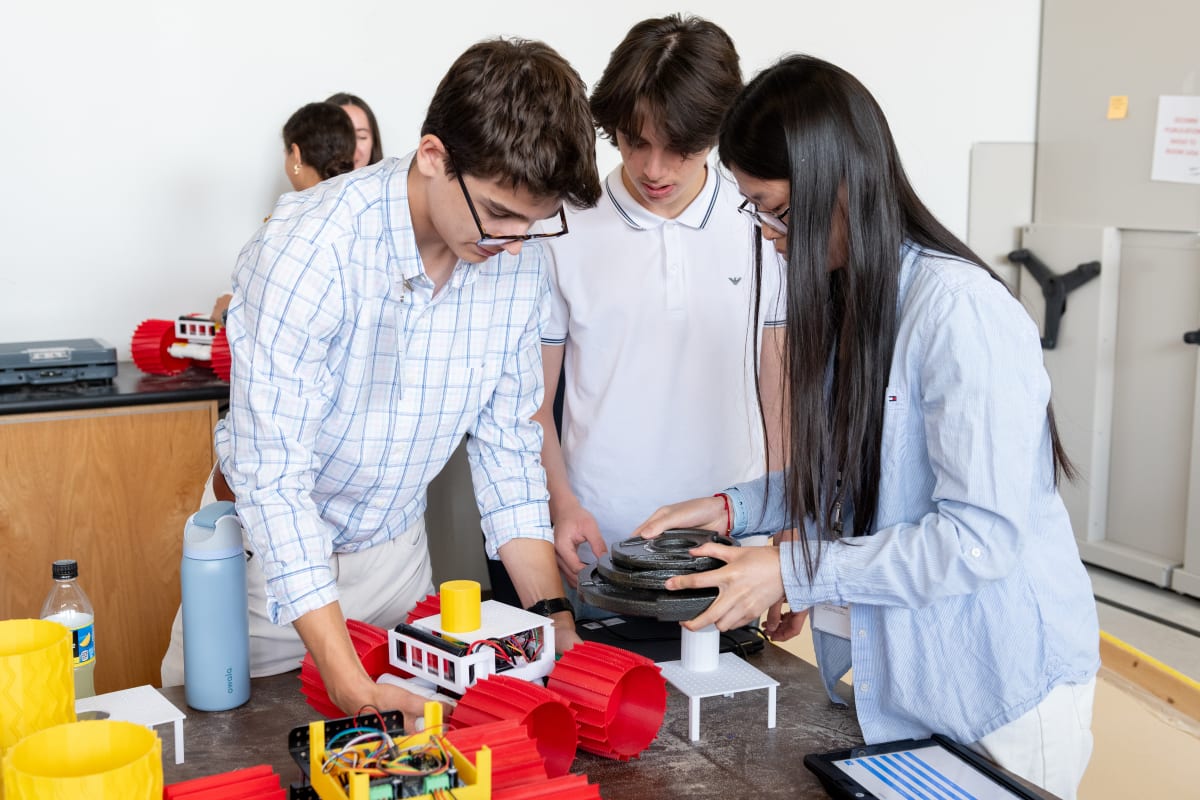
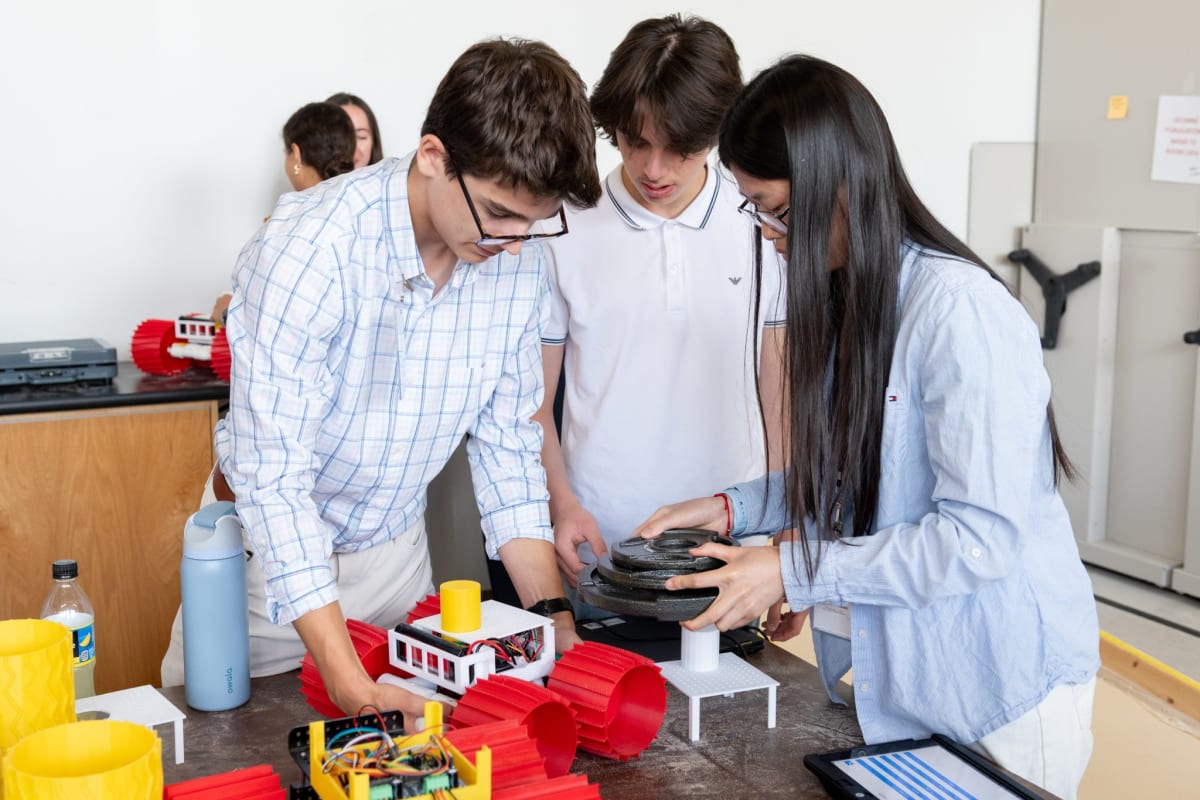
Rising juniors and seniors accepted into the program will work directly with NASA technical experts on three cutting-edge mission areas. They'll design solutions to reduce noise pollution from jet engines, develop smart power systems for future space stations, and even invent airless tires for lunar operations.
The program runs for five days and offers three different sessions throughout July. Students can choose from sessions running July 13-17, July 20-24, or July 27-31, making it easier to fit into summer schedules.
Beyond the technical skills, participants will learn the full engineering design process from concept to prototype testing. They'll use authentic NASA mission content and gain career readiness tools to help launch their futures in science, technology, engineering, and math fields.
To qualify, students need to be entering 11th or 12th grade for the 2026-2027 school year with at least a 3.2 GPA. The application package requires a letter of recommendation from a teacher and GPA verification from a school counselor. Only U.S. citizens are eligible.
The Ripple Effect
Programs like this create pathways into aerospace careers for students who might never have imagined working at NASA. Last year's participants collaborated on real projects, gaining not just technical knowledge but confidence that they belong in these spaces. When young people see themselves as future engineers and scientists, they're more likely to pursue those paths and bring fresh perspectives to solving humanity's biggest challenges.
The aerospace industry faces a growing need for skilled engineers, and early exposure programs help build that pipeline while making the field more accessible to diverse talent.
Students and families can direct questions about the institute to GRC-Ed-Opportunities@mail.nasa.gov, and the future of space exploration just might begin with an application submitted before May 1.
More Images

Based on reporting by NASA
This story was written by BrightWire based on verified news reports.
Spread the positivity!
Share this good news with someone who needs it


%2Fhttps%3A%2F%2Ftf-cmsv2-smithsonianmag-media.s3.amazonaws.com%2Ffiler_public%2F1a%2F72%2F1a72d8cc-970c-48cf-83f6-b16e605ff5c0%2Flow-res_f26-plastic-cookies-hr.jpg)