NASA Picks Astrolab's Lunar Rover for 4 Science Missions
A private space company is about to send the first commercial lunar rover to the Moon carrying four NASA experiments that could unlock secrets about future moon bases. The mission launches later this year, marking a new era of public-private space exploration.
Astrolab just scored a major win for commercial space exploration: its lunar rover will carry four NASA science payloads to the Moon on a mission launching before year's end.
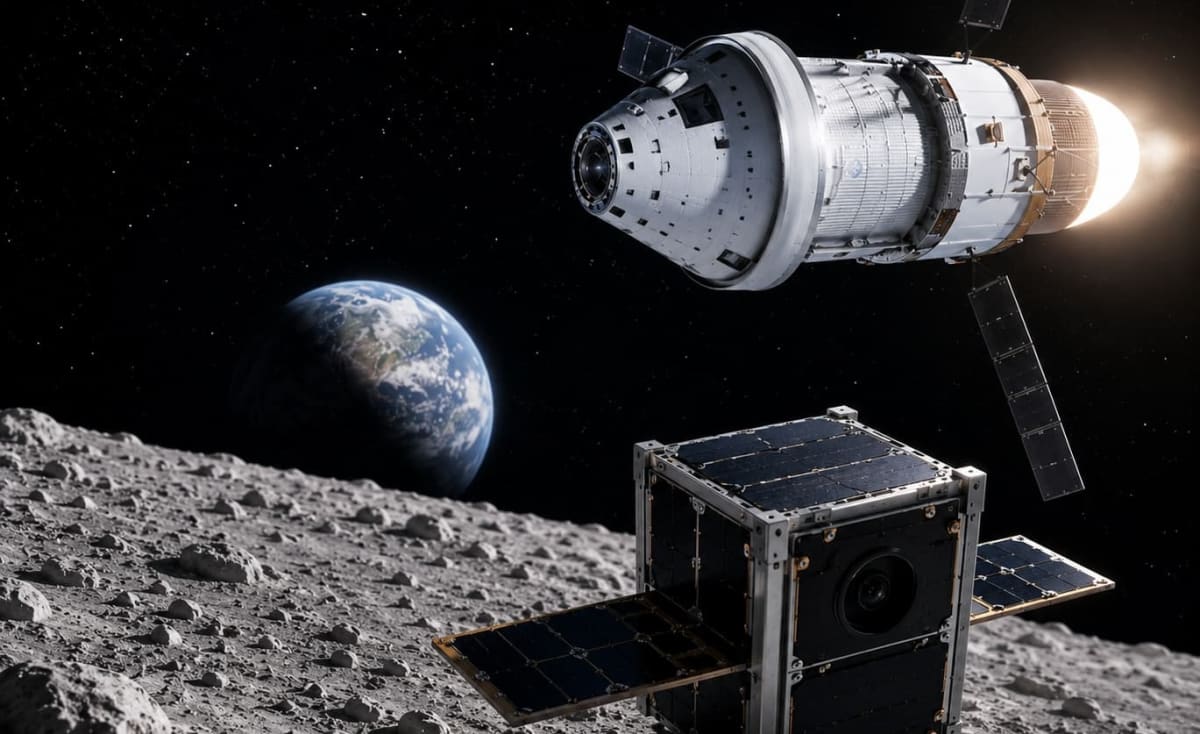
The company's FLEX Lunar Innovation Platform rover, nicknamed FLIP, will hitch a ride on Astrobotic's Griffin-1 lander aboard a SpaceX Falcon Heavy rocket. It's the kind of collaboration that makes space exploration more accessible and affordable than ever before.
The four NASA experiments coming along for the ride tackle some fascinating challenges. One camera system will hunt for helium-3 deposits in lunar soil, a resource that could power future spacecraft. Another will study how Moon dust degrades equipment, helping engineers design better gear for long-term lunar missions.
Rounding out the science package are a laser ranging system and advanced lidar technology. Each experiment addresses real questions scientists need answered before humans can safely live and work on the Moon for extended periods.
What makes this partnership special is how quickly it came together. Astrolab reached out directly to NASA centers asking what experiments were ready to fly, then worked out agreements where no money changed hands. That speed allowed everything to fit into FLIP's tight construction schedule.
Jaret Matthews, Astrolab's founder and CEO, says the rover is essentially finished and heading into final testing soon. The company has already tested individual components, giving them confidence as they move through shock, vibration, and thermal vacuum tests this summer.
Why This Inspires
This mission represents something bigger than just another Moon landing. It shows how space exploration is evolving from government-only operations into true partnerships between NASA and private companies.
The collaboration model here is brilliant: NASA gets critical science data without the full cost of building and operating its own rover, while Astrolab gains credibility and flight experience that will help it win future contracts. Both sides win, and space science moves forward faster.
Meanwhile, Astrolab is also competing to build NASA's Artemis lunar terrain vehicle, the rover that will carry astronauts across the Moon's surface starting in 2028. NASA recently asked the three competing companies to redesign their rovers to be smaller and simpler, with proposals due in early May.
Matthews says his team had to completely overhaul their design in record time to meet NASA's new size requirements. The agency wants rovers ready just 18 months after awarding the contract, an incredibly ambitious timeline even by Apollo program standards.
The experience building FLIP positions Astrolab well for that challenge. Many technologies being tested on this first lunar rover will inform the design of their crewed vehicle, essentially giving them a head start on development.
Space exploration is becoming faster, more collaborative, and more innovative thanks to partnerships like this one.
More Images


Based on reporting by SpaceNews
This story was written by BrightWire based on verified news reports.
Spread the positivity!
Share this good news with someone who needs it