NASA Picks Vast for Private ISS Mission Launching in 2027
A California startup just earned its ticket to the International Space Station, marking a major milestone in the shift toward privately operated space platforms. Vast will send its first crew to the ISS in summer 2027 as part of NASA's push to build a thriving commercial space economy.
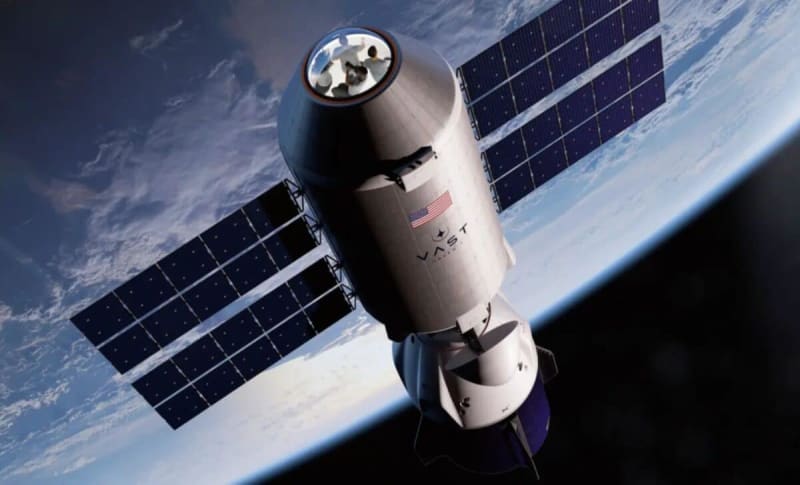
NASA just gave Vast, a California space company, the green light to launch its sixth private astronaut mission to the International Space Station in summer 2027. This marks a turning point for the startup, which dreams of building its own orbiting home for humanity called Haven-2.
The two-week mission will launch from Florida and give Vast's team hands-on experience running human spaceflight operations. CEO Max Haot called it "a critical part of the transition to commercial space stations and fully unlocking the orbital economy."
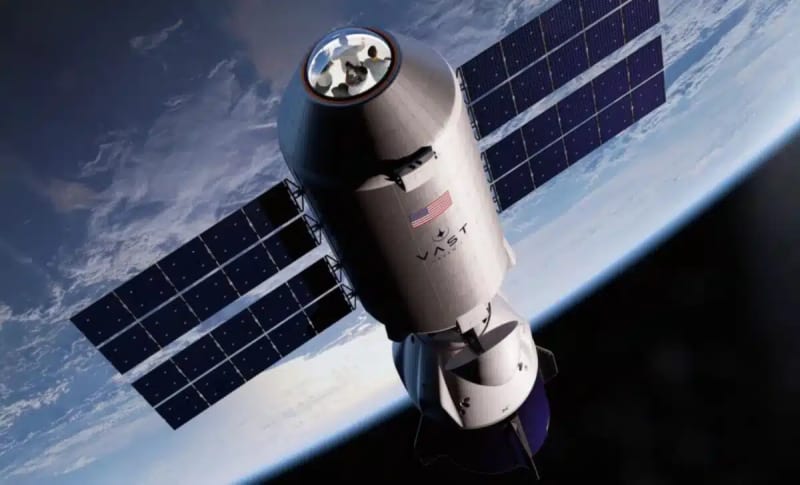
Vast isn't starting from scratch. The company successfully launched and operated Haven Demo with SpaceX in 2025, making it the only commercial space station company to fly its own spacecraft that year. Now they're racing to launch Haven-1's first module in 2027, with plans for a permanent human presence in space by 2030.
Meanwhile, Axiom Space continues leading the private space race with five missions under its belt. Since 2022, Axiom has shifted from space tourists to government-sponsored astronauts from countries like India, Hungary, and Saudi Arabia. Their fifth mission launches in early 2027, just months before Vast's debut.
NASA Administrator Jared Isaacman explains why these partnerships matter. "Each new entrant brings unique strengths that fuel a dynamic, innovative marketplace as we advance research and technology and prepare for missions to the moon, Mars, and beyond."
The Ripple Effect
This collaboration shows how government and private companies can work together to achieve what once seemed impossible. NASA provides food, storage, and critical resources while companies like Vast and Axiom deliver fresh ideas and valuable research data.
These missions are doing more than just sending people to space. They're training the next generation of space explorers, expanding scientific research in microgravity, and building the foundation for future missions beyond Earth.
The move also helps countries without their own space programs send astronauts to orbit, democratizing access to space in ways that weren't possible a decade ago.
As commercial space stations become reality, humanity inches closer to a future where living and working in orbit becomes routine rather than extraordinary.
The orbital economy isn't just science fiction anymore.
More Images
Based on reporting by Google News - Science
This story was written by BrightWire based on verified news reports.
Spread the positivity!
Share this good news with someone who needs it