NASA Plans Lunar Base by 2030s in New Moon Strategy
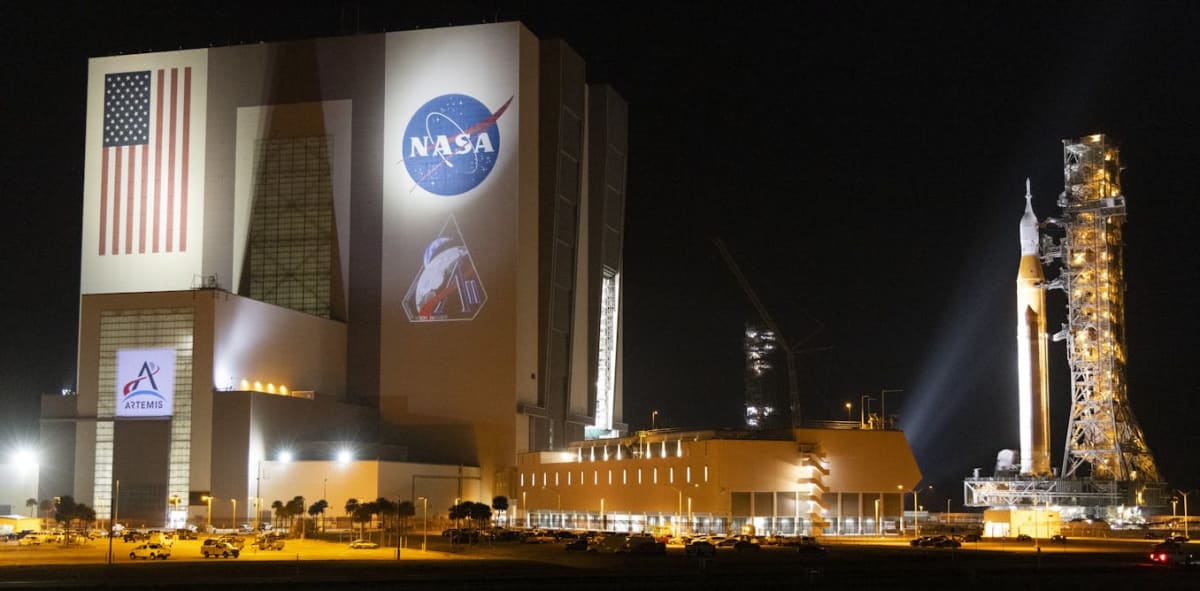
NASA is shifting from racing to the Moon to building a permanent home there. The agency's revamped Artemis program now prioritizes creating reliable systems for humans to live and work on the lunar surface long-term.
📺 Watch the full story above
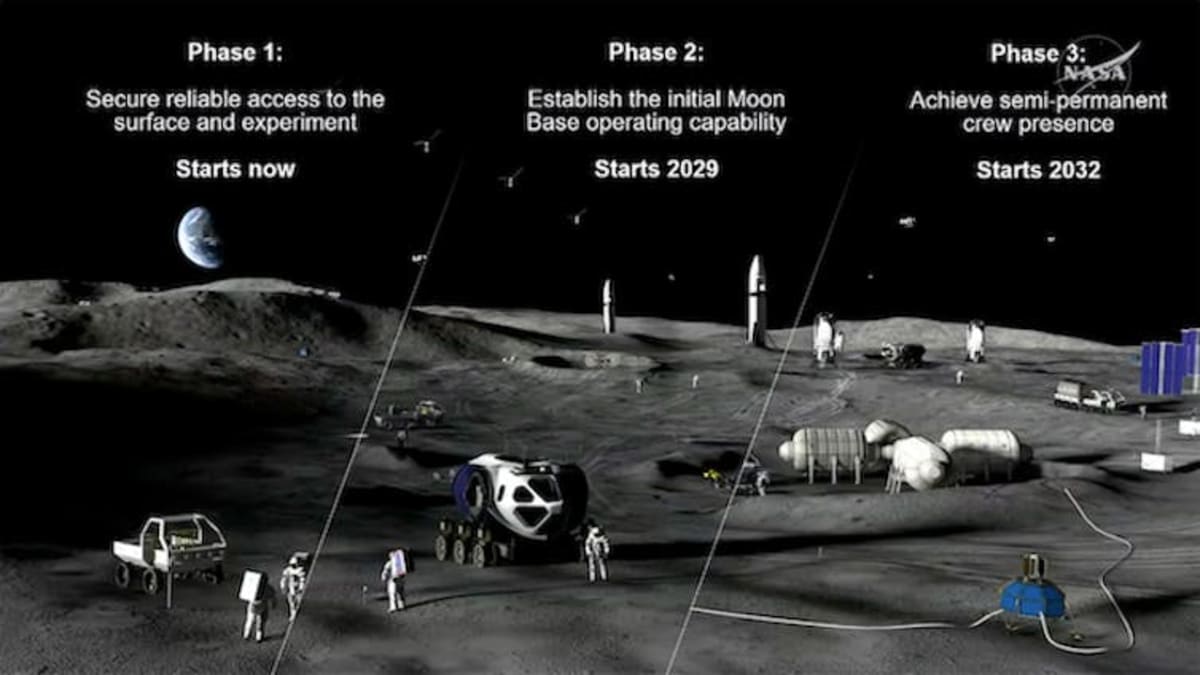
NASA just announced it's not just visiting the Moon anymore. It's planning to stay, with billions invested in building a permanent lunar base complete with habitats, power systems, and infrastructure by the 2030s.
The space agency's Artemis program has gotten a major reset. Instead of rushing to plant flags like the Apollo missions did decades ago, NASA is taking a more deliberate approach focused on creating sustainable, repeatable operations on the lunar surface.
The new timeline adds an intermediate mission in 2027, where astronauts will test critical systems like docking and life support with commercial lunar landers from SpaceX and Blue Origin. The testing happens in low Earth orbit, close enough for rescue if needed, before committing to landing on the Moon's south pole in 2028.
This might sound like a delay, but it's actually a smarter race. While China and other nations are competing to reach the Moon, the United States is building something different: a system that can support people living there repeatedly, not just visiting once.
NASA Administrator Jared Isaacman explained the shift in February 2026. The focus is moving from individual milestones to continuous presence, treating lunar operations like we treat trips to the International Space Station rather than one-off adventures.
The plan includes a substantial investment in surface infrastructure rather than the originally planned Gateway space station orbiting the Moon. Astronauts will live, work, and build directly on the lunar surface, developing the expertise needed for eventual Mars missions.
Commercial partners play a bigger role now too. NASA is coordinating a network of public and private companies, spreading costs and risks while speeding up development. Success depends on multiple players working together reliably.
The Ripple Effect
This isn't just about space exploration. Technologies developed for sustained lunar living, from advanced life support to energy storage and communications, often find their way back to Earth in fields like medicine and disaster response.
The program supports jobs across the United States and partner countries, building industries that extend far beyond rockets and spacesuits. And there's a strategic element: the countries and companies that maintain continuous presence on the Moon will help shape how humanity uses space in the future.
International space law sets broad principles, but real rules emerge from actual activity. By establishing sustained operations, NASA aims to influence the practical expectations everyone will follow while working on the Moon.
The message is clear: humans have already normalized traveling to space, and now we're normalizing living beyond Earth.
More Images
Based on reporting by Google News - Science
This story was written by BrightWire based on verified news reports.
Spread the positivity!
Share this good news with someone who needs it