NASA Plans Permanent Moon Base by 2028
NASA's new leadership is bringing fresh realism to America's Moon program, with plans to establish a permanent lunar base that won't be abandoned like the Apollo missions. The shift marks a bold commitment to sustained space exploration, even as China races to land astronauts first.
NASA just declared it will never leave the Moon again, and this time they mean it.
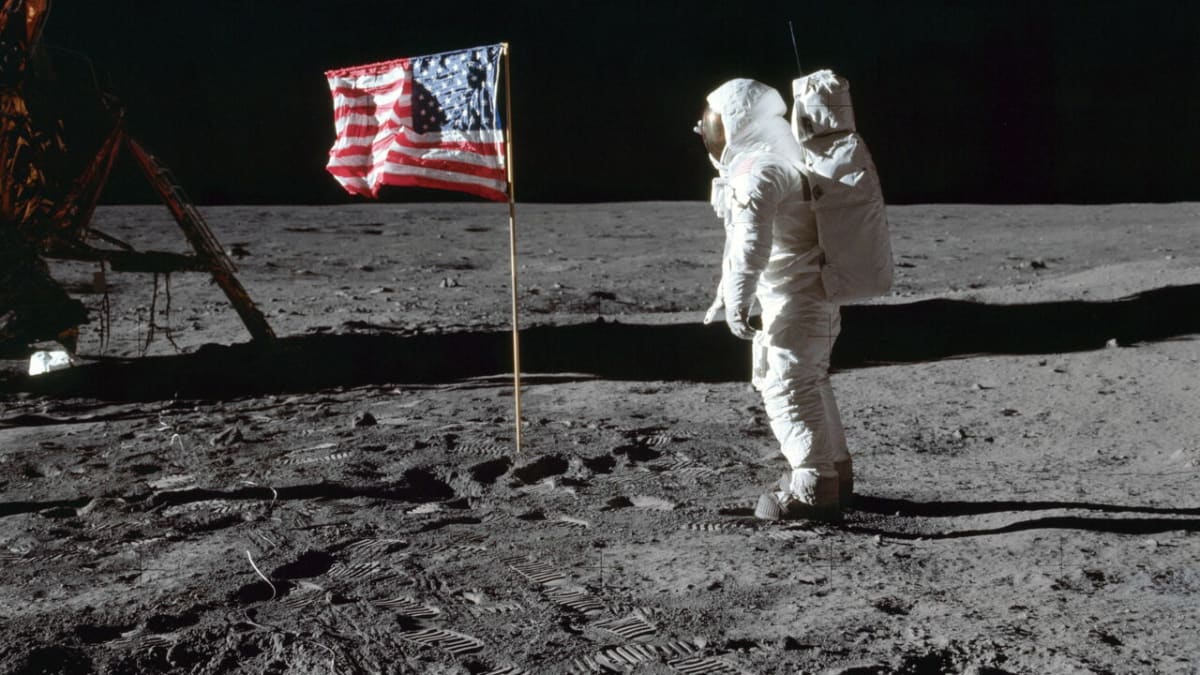
In a memo sent to staff on March 24th, NASA Administrator Jared Isaacman announced a major shift in how America approaches lunar exploration. Unlike the Apollo missions that planted flags and left, the new Artemis program aims to build a permanent Moon base where humans can live and work.
Since taking charge in December, Isaacman has injected much-needed realism into the over-budget, behind-schedule Artemis program. The current goal targets astronauts walking on the lunar surface by 2028, though that timeline could slip.
The stakes are higher than ever because China is running its own streamlined Moon program. Some experts believe China could beat America to landing the next humans on the Moon, turning this into a modern space race with lasting consequences.
But the real story isn't about who gets there first. It's about what happens after.
The Ripple Effect
A permanent Moon base opens doors that quick visits never could. Scientists could conduct long-term research on the lunar surface, testing technologies we'll need for Mars missions and deeper space exploration.
The Moon base could serve as a launching point for future missions, since escaping the Moon's weaker gravity requires far less fuel than leaving Earth. That makes it a natural stepping stone for humanity's expansion into the solar system.
Beyond science, a sustained lunar presence could spark new industries, from mining rare materials to manufacturing in low gravity. The innovations developed for Moon living often find their way back to Earth, improving life for everyone.
The changes to Artemis signal something bigger than engineering fixes. They represent a fundamental shift in how we think about space exploration, moving from brief expeditions to permanent settlement.
America's commitment to staying on the Moon could inspire a generation of young people to pursue careers in science and engineering. When space feels like a real frontier instead of a history lesson, it captures imaginations differently.
This isn't just about national pride or beating China. It's about humanity taking its next big step forward, establishing our first permanent home beyond Earth.
More Images

Based on reporting by Google News - Science
This story was written by BrightWire based on verified news reports.
Spread the positivity!
Share this good news with someone who needs it