NASA Plans Permanent Moon Base by Early 2030s
NASA is building humanity's first permanent lunar base near the Moon's south pole, with robotic missions launching this fall and astronauts returning by 2027. The ambitious project could pave the way for future Mars exploration while establishing a lasting human presence beyond Earth.
Less than two months after the record-breaking Artemis II mission, NASA has unveiled plans to build a permanent home for humans on the Moon.
The space agency is already ordering landers, rovers, and drones for the first phase of what it calls "Moon Base." This isn't science fiction anymore. It's happening within the next decade.
The first robotic cargo missions will target the Moon's south pole as early as fall 2026. Blue Origin, Jeff Bezos's space company, will send its Mark 1 Endurance Lander carrying scientific equipment and supplies to a strategic area called the Shackleton Connecting Ridge.
Scientists chose this location because permanently shadowed craters nearby might contain water ice. Future astronauts could transform this ice into drinking water, breathable oxygen, and even rocket fuel. It's like finding an oasis in the ultimate desert.
A second mission will deliver more than 500 kilograms of equipment using an Astrobotic Griffin lander. NASA calls this "the largest commercial payload delivered to the lunar surface ever."
Astronauts will return to the Moon on Artemis III in mid-2027, testing docking systems between spacecraft and lunar landers. After that, NASA plans one Moon mission every year.
"For those waiting patiently, the grand return is close at hand and we will not slow down," said NASA Administrator Jared Isaacman. "We are really just getting started."
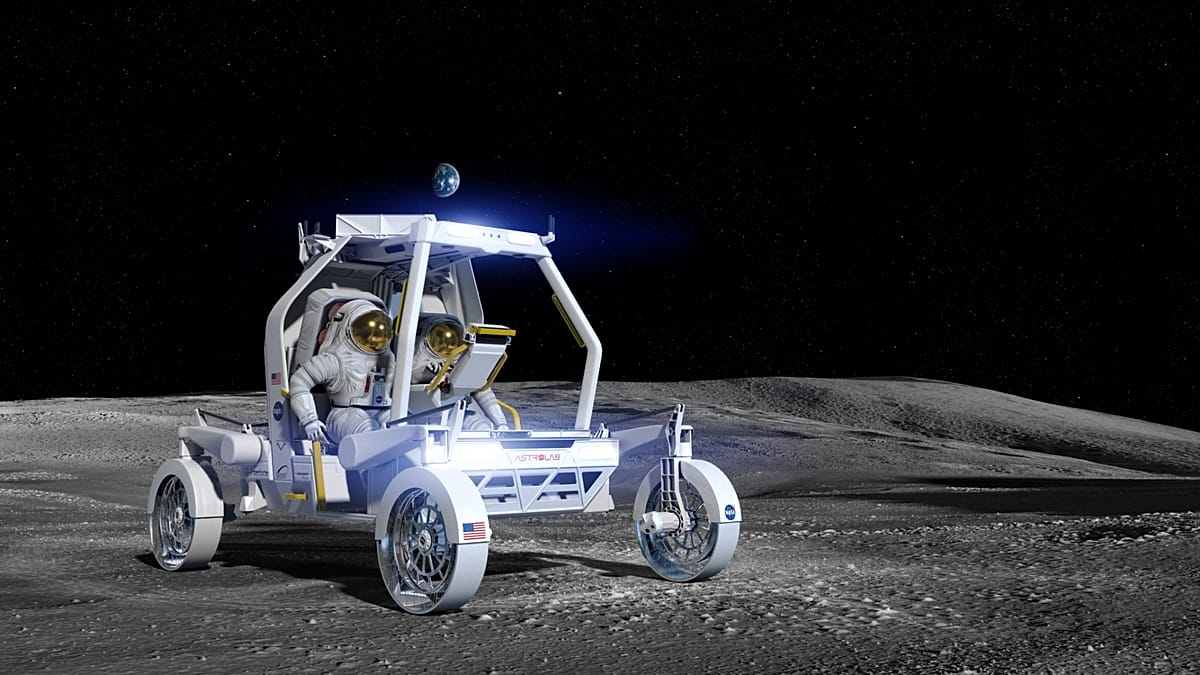
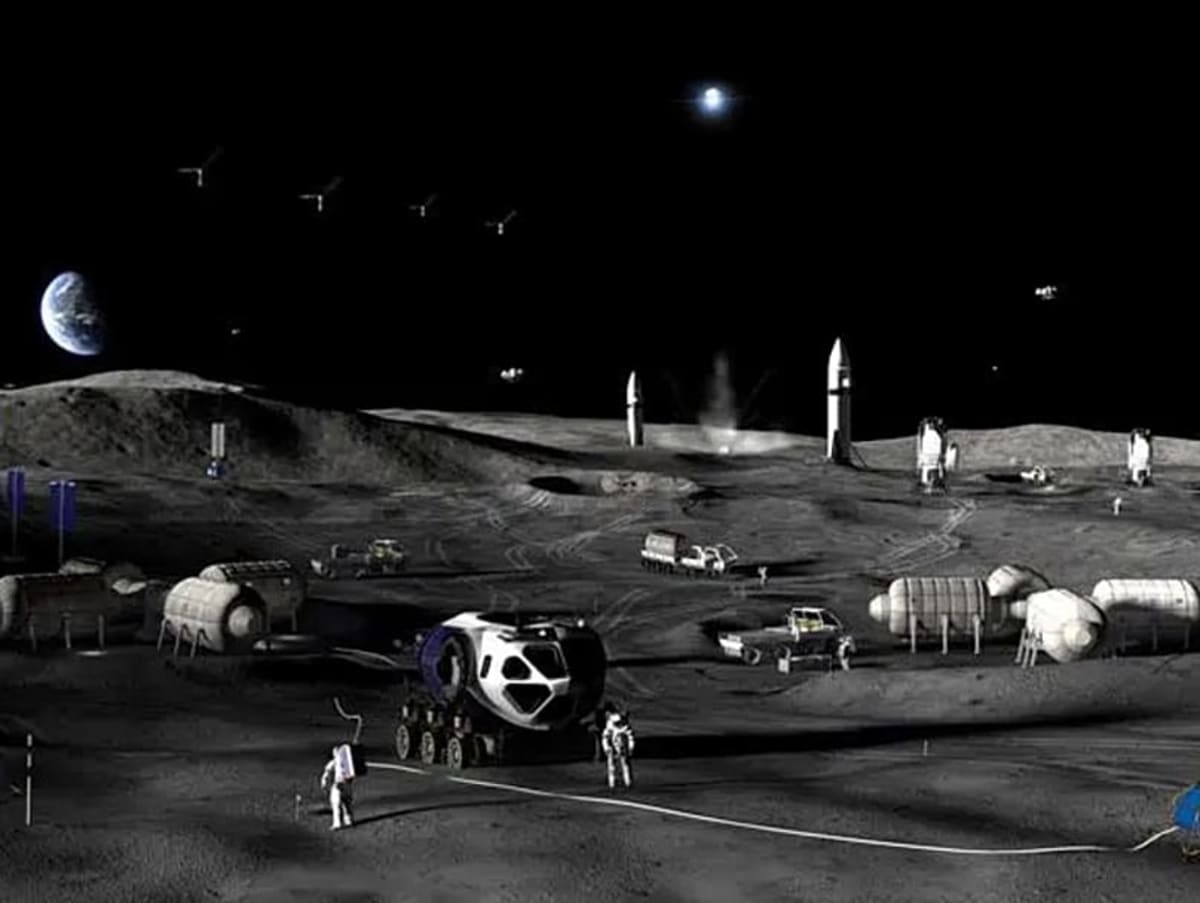
Early missions will keep astronauts on the surface for short stays while they test rovers, habitats, and surface operations. Later phases could include pressurized vehicles that let crews live and travel across the lunar landscape for weeks at a time.
The Ripple Effect
The second phase, launching between 2029 and the early 2030s, will build permanent infrastructure including power systems and habitation modules. This lunar base will become a testing ground for technologies needed for Mars missions.
NASA Moon Base Program Executive Carlos Garcia-Galan said astronauts could eventually "hop on the Pressurized Rover and basically work and explore the Moon" just like researchers do in Antarctica.
Deputy Associate Administrator Lori Glaze explained the base would support "long duration stays, expanded robotic and human capabilities, and an enduring presence on the lunar surface." The agency has already planned three Moon base missions with more than a dozen additional flights expected.
Garcia-Galan captured the historic moment simply: "Eventually, we'll be able to say, hey, we're permanently here and we're not giving it up."
Humanity is about to become a two-world species.
More Images



Based on reporting by Euronews
This story was written by BrightWire based on verified news reports.
Spread the positivity!
Share this good news with someone who needs it