NASA Powers Up 300-Megapixel Space Telescope Camera
NASA just activated a cosmic camera so powerful it can photograph an area larger than the full moon in breathtaking detail. The Roman Space Telescope's 300-megapixel infrared eye brings us one giant leap closer to unlocking mysteries of dark energy and discovering distant worlds.
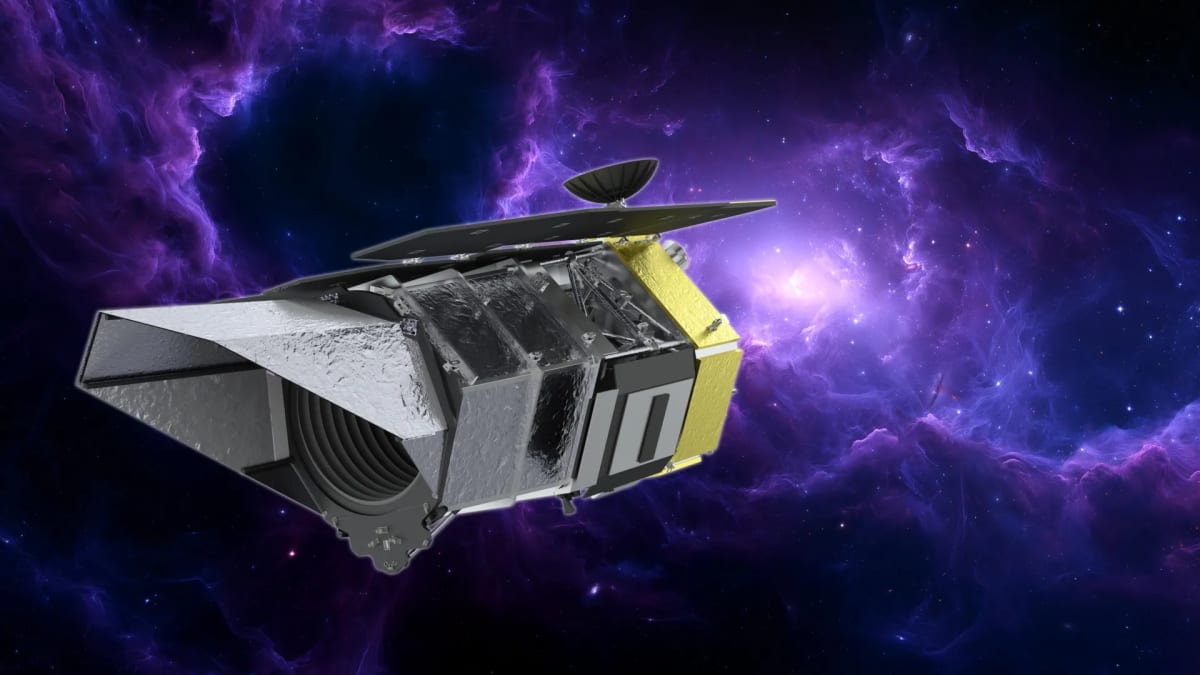
NASA's Nancy Grace Roman Space Telescope just opened its eyes in space, and what it sees will change how we understand the universe.
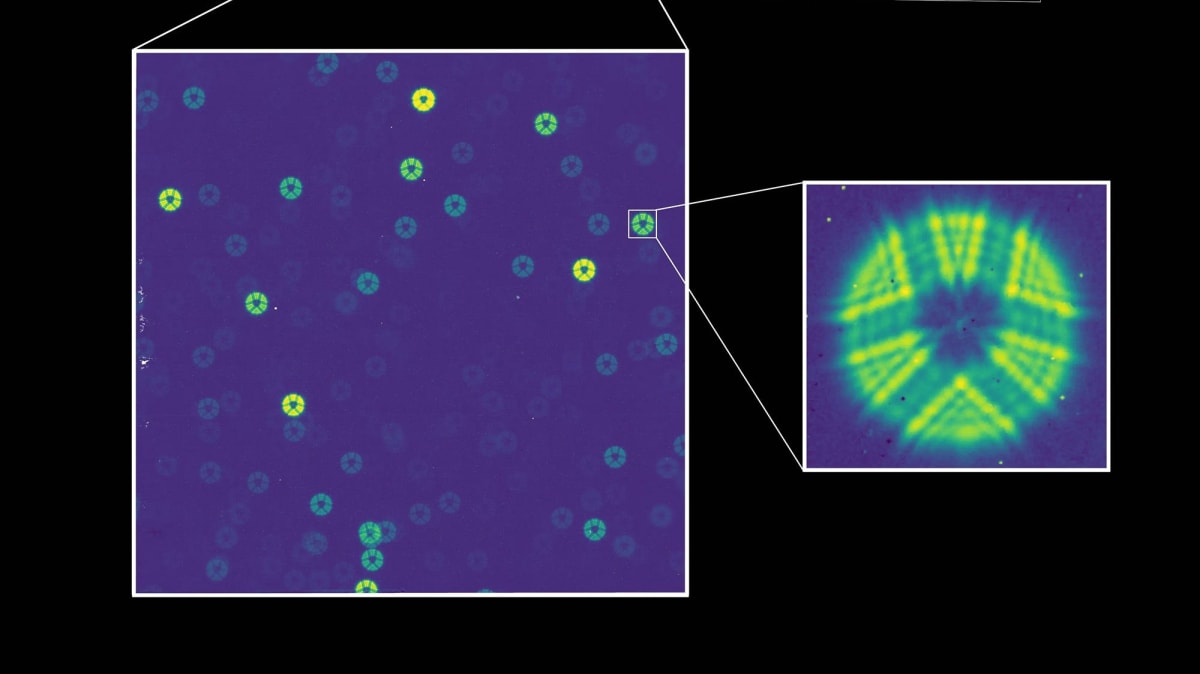
Mission teams successfully powered up the Wide Field Instrument, a 300-megapixel infrared camera that combines the sweeping vision of a wide-angle lens with the razor-sharp detail of the Hubble Space Telescope. A single image from this camera covers more sky than the apparent size of a full moon, capturing cosmic details most telescopes would need hundreds of photos to see.
The achievement marks a major milestone as Roman travels toward its permanent home one million miles from Earth at a spot called L2. Getting the camera ready wasn't simple: engineers spent 10 days drying out and decontaminating the instrument before cooling its 18 infrared detectors to a bone-chilling minus 225 degrees Fahrenheit.
On September 11, teams began testing the system piece by piece. They activated the detectors, fired up the calibration system, and sent test data back to Earth. Over the weekend, engineers tested the element wheel containing filters and prisms that separate cosmic light into individual colors, marking the first time the mechanism operated in zero gravity.
"After years of effort to build and test the instrument on the ground, we now have confirmation that it is operational in space," said Josh Schlieder, the Wide Field Instrument scientist at NASA's Goddard Space Flight Center. The detectors eventually reached their final operating temperature of minus 300 degrees Fahrenheit, colder than any winter on Earth.
Roman's planet-hunting companion instrument, the Coronagraph, also passed early tests this month. This cutting-edge system uses masks and self-flexing mirrors to block the overwhelming glare from distant stars, allowing scientists to detect the faint light reflecting off planets orbiting nearby.
Why This Inspires
This isn't just another space mission. Roman will investigate dark energy, study how matter arranges itself across the cosmos, and search for planets beyond our solar system. Scientists expect the telescope to create a treasure trove of data that will fuel discoveries for decades.
The combination of Roman's wide field of view and sharp resolution means astronomers can survey enormous stretches of space without sacrificing detail. What once required hundreds of separate observations can now be captured in a single frame.
Roman remains on schedule to release its first science images by early 2027, when we'll finally see what this cosmic eye reveals about our universe.
Based on reporting by Google News - Science
This story was written by BrightWire based on verified news reports.
Spread the positivity!
Share this good news with someone who needs it