NASA Preps Space Gas Stations for Mars Missions
NASA is launching a groundbreaking experiment this July to test technology that could create refueling stations in space. These orbital gas stations would revolutionize deep space travel by letting spacecraft refuel on their way to Mars and beyond.
Imagine pulling into a gas station halfway to Mars. That future just moved closer to reality.
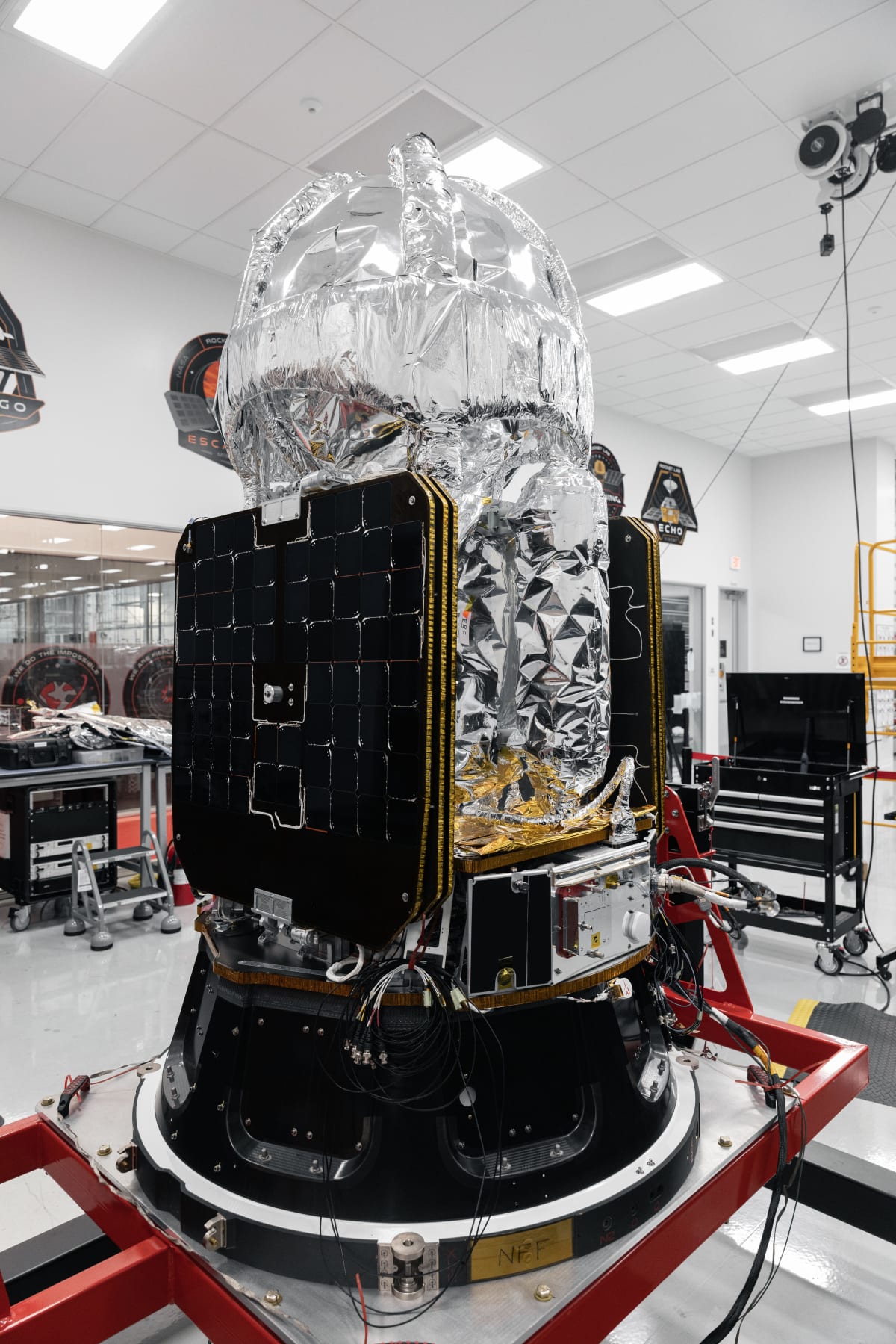
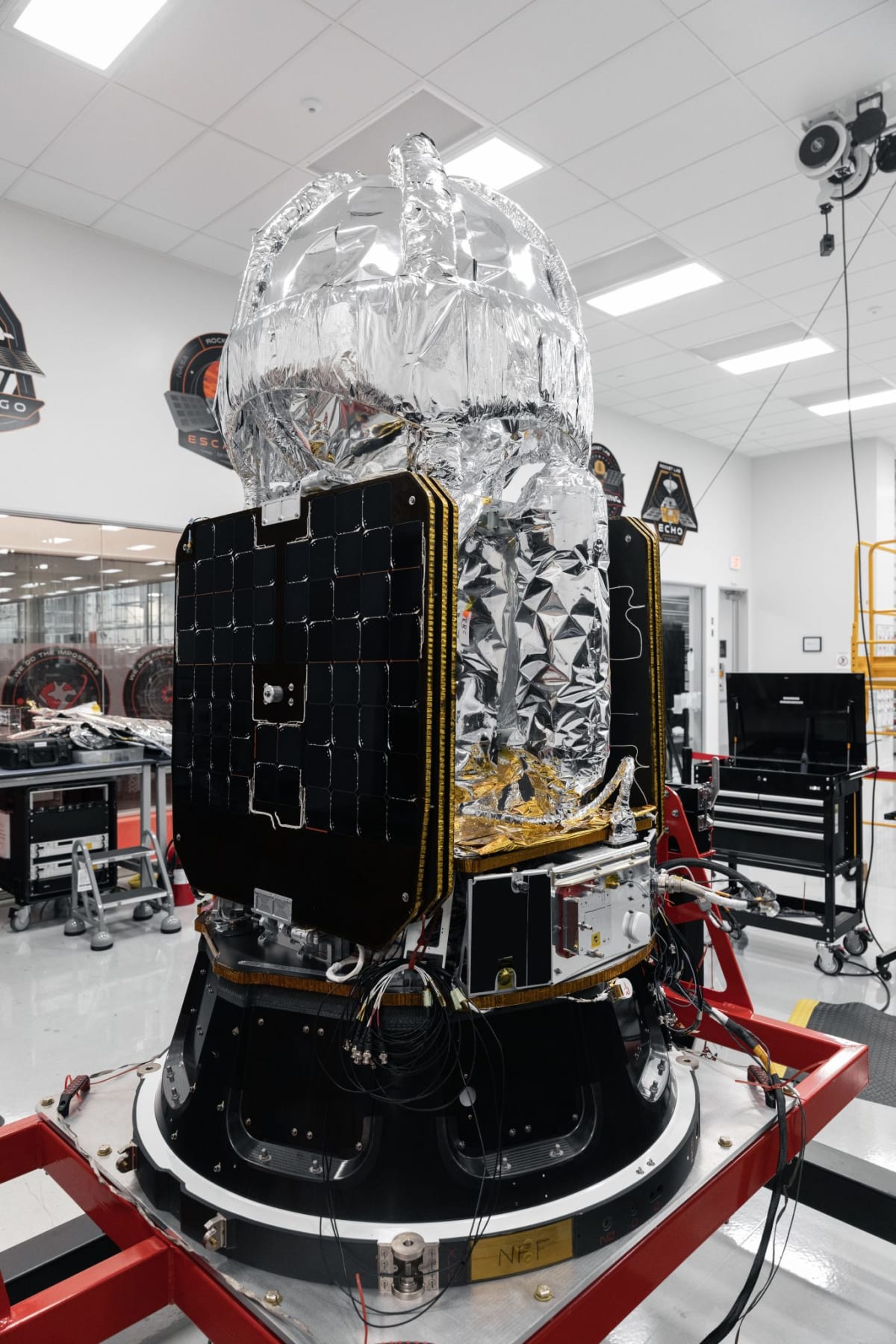
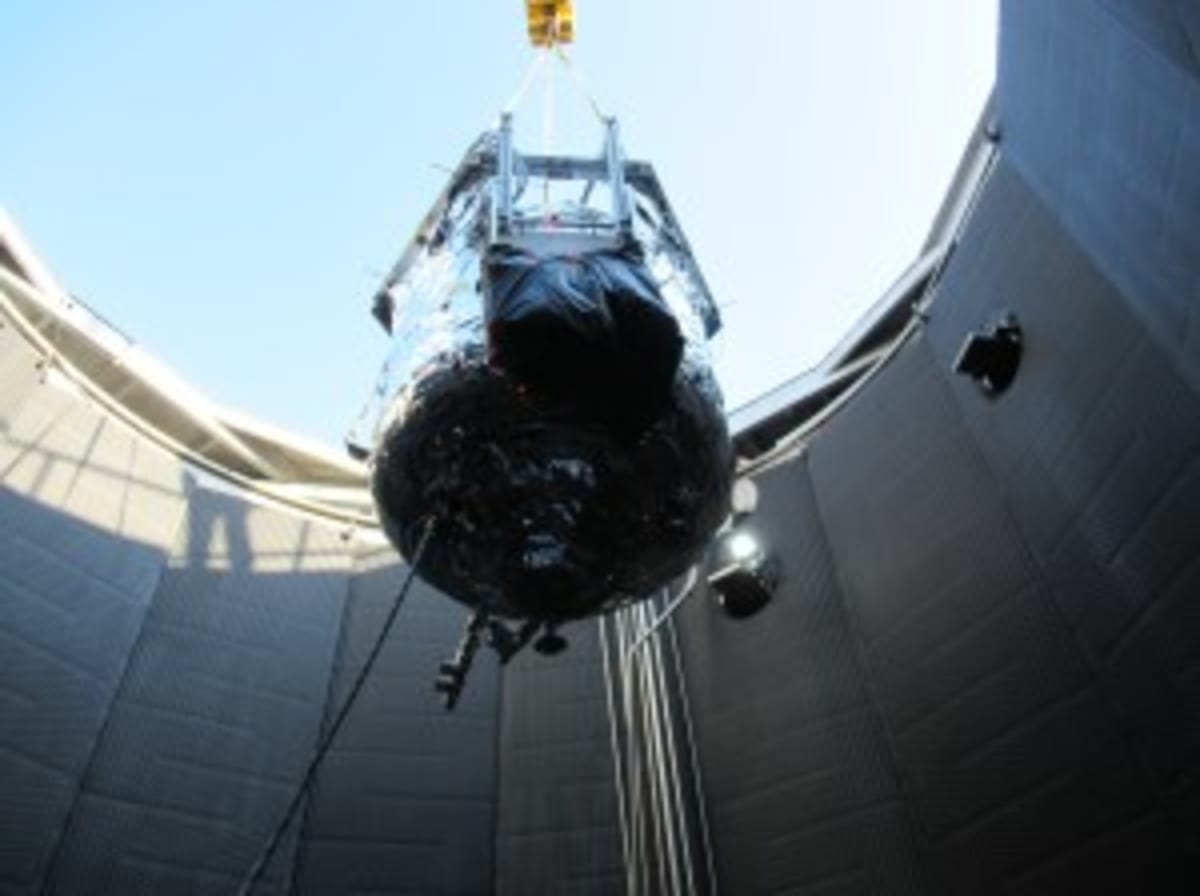
NASA is preparing to launch LOXSAT, a nine-month space mission that will test 11 technologies needed to build refueling stations in orbit. The experiment launches no earlier than July 17 from New Zealand aboard a Rocket Lab Electron rocket.
The challenge sounds simple but it's incredibly complex. Super-cold rocket fuel, called cryogenic propellant, behaves totally differently in the weightlessness of space than it does on Earth.
Without gravity, fuel doesn't settle at the bottom of a tank. It floats around, making it nearly impossible to pump or measure. The extreme cold also causes fuel to boil off into space over time.
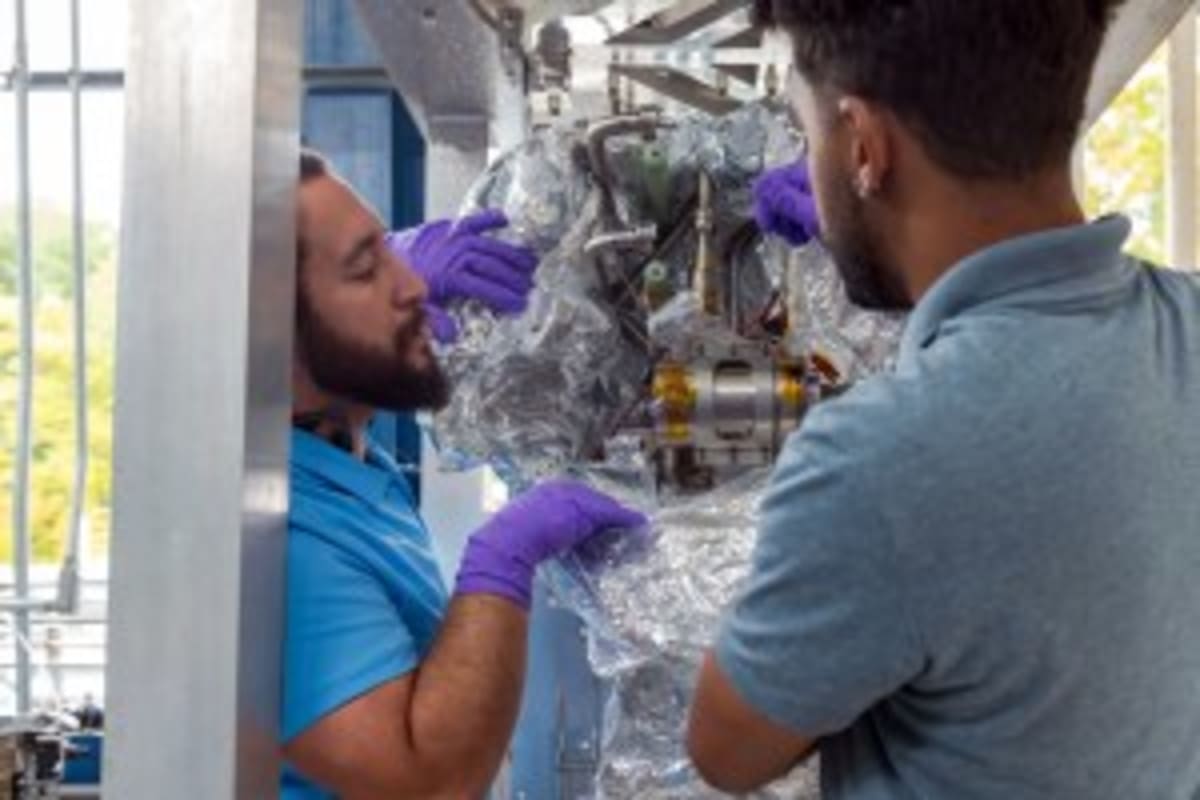
LOXSAT will test solutions to these problems by demonstrating how to reduce fuel loss, transfer propellant between tanks, maintain proper pressure, and accurately measure fuel levels in microgravity. Engineers from three NASA centers built the technologies in partnership with Eta Space, a Florida company.
The Ripple Effect spreads far beyond this single mission. If successful, orbital fuel depots would transform how we explore space.
Right now, spacecraft must carry all their fuel from Earth, making them heavy and limiting how far they can travel. Refueling stations would let missions travel farther with smaller initial fuel loads, opening destinations that are currently unreachable.
Future Moon missions could stop for a top-up before continuing to Mars. Deep space explorers could extend their journeys instead of turning back. The technology could even support crewed missions to asteroids or the outer planets.
More than 20 related technology projects are already underway at NASA, showing how seriously the agency takes this capability. The data from LOXSAT will inform all of them.
The mission represents years of research finally reaching the launch pad, where theory meets the harsh reality of space.
More Images
Based on reporting by NASA
This story was written by BrightWire based on verified news reports.
Spread the positivity!
Share this good news with someone who needs it