NASA Seeks Partners for Mars Network Ready by 2030
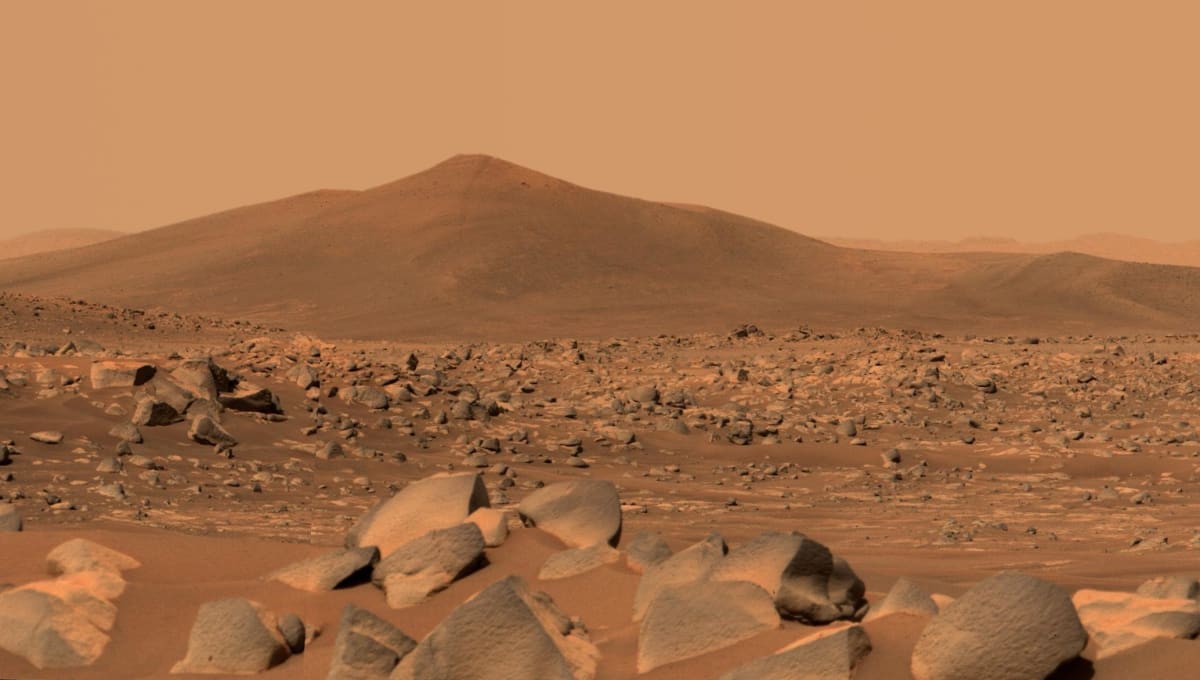
NASA just invited companies to help build a groundbreaking telecommunications network around Mars, bringing us closer to sustained human exploration of the Red Planet. The agency wants the system operational by 2030 to support science missions and future astronauts.
NASA is turning to private industry to build the infrastructure that could make Mars exploration routine, issuing a formal request for proposals to create a Mars Telecommunications Network by decade's end.
The space agency released the proposal request on Thursday, seeking commercial partners to design high-performance telecommunications orbiters that will orbit Mars. These satellites will relay science data, high-definition images, and critical mission information between Mars and Earth.
The network represents a crucial stepping stone for NASA's ambitious plans to send humans to Mars. Just as cell towers enable our daily communications on Earth, these orbiters will create a reliable "internet" for the Red Planet, supporting both robotic missions and future astronauts exploring the Martian surface.
NASA refined its vision after hosting an industry day at Goddard Space Flight Center in Maryland, where commercial space companies provided feedback on the project. The collaborative approach shows how public-private partnerships are reshaping space exploration, combining NASA's expertise with industry innovation and efficiency.
Companies have 30 calendar days to submit their proposals. The network must be ready to operate at Mars no later than 2030, an aggressive timeline that reflects the urgency of upcoming Mars missions.
The system will also carry science instruments selected by NASA's Science Mission Directorate, ensuring the network serves double duty as both communications infrastructure and research platform. This efficient design maximizes the value of every spacecraft sent to Mars.
The Ripple Effect
This Mars network is part of NASA's broader vision to extend continuous communications beyond Earth. The agency is building an interconnected system that links Earth, the Moon, and Mars, creating what could become humanity's first interplanetary internet.
The project received direction and funding through the Working Families Tax Cut Act passed by Congress, demonstrating bipartisan support for deep space exploration. When government and industry align around bold goals, the impossible starts looking achievable.
Future Mars explorers won't face communication blackouts or agonizing delays in sending critical data home. They'll have the reliable connection needed to work safely and share their discoveries in near real-time, bringing Mars closer to all of us.
The countdown to 2030 has begun.
More Images
Based on reporting by NASA
This story was written by BrightWire based on verified news reports.
Spread the positivity!
Share this good news with someone who needs it