NASA Probe Uncovers Key to Predicting Solar Storms
NASA's Parker Solar Probe just revealed a surprising secret about how solar storms form, bringing scientists closer to protecting Earth's power grids and satellites. The discovery could transform how we predict dangerous space weather before it strikes.
A NASA spacecraft flying closer to the Sun than any mission in history just discovered something scientists didn't expect about the violent storms that can knock out power grids and satellites on Earth.
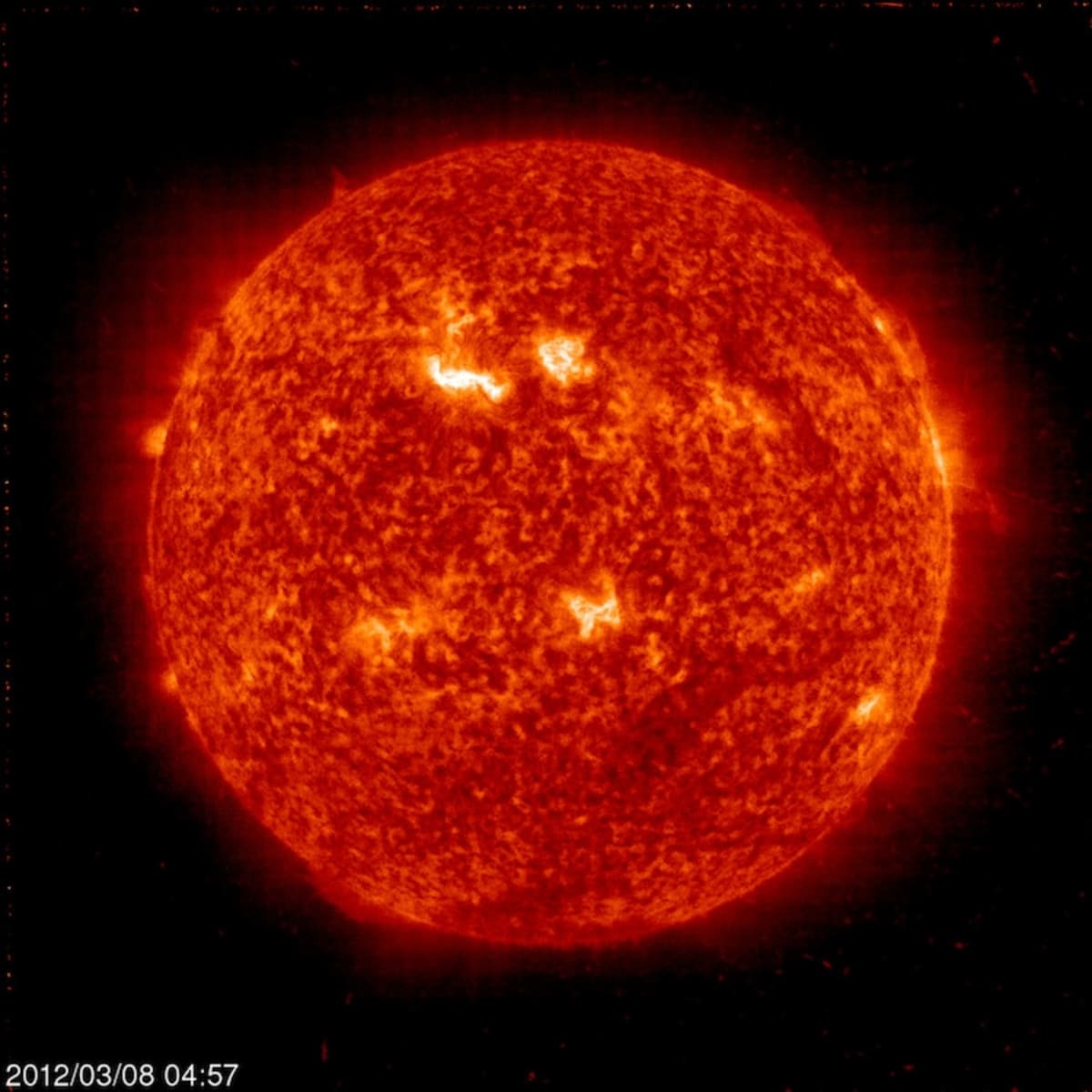
The Parker Solar Probe measured a magnetic reconnection event in the solar wind, the constant stream of charged particles flowing from the Sun. This is the explosive process that kicks off solar storms, similar to rubber bands snapping and releasing a burst of energy.
But here's what surprised everyone. The probe detected that protons and heavy ions, two types of particles released during these events, actually behave completely differently.
Protons spread out broadly like light from a flashlight. Heavy ions, meanwhile, focused narrowly like a laser beam. Scientists expected both to act the same way based on existing theories.
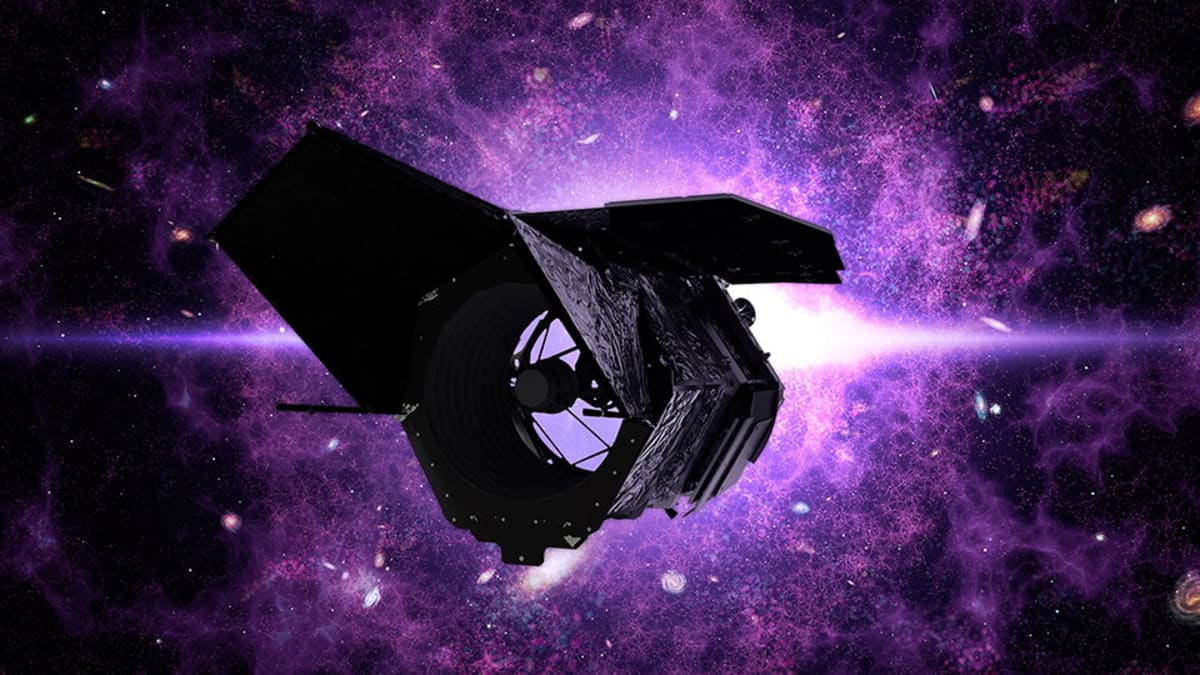
The Parker Solar Probe got its front-row seat during a 2022 flyby when it passed between the Sun and one of these magnetic reconnection events. Flying at speeds up to 690,000 kilometers per hour while protected by a carbon heat shield just 11.5 centimeters thick, the probe collected data that will rewrite the textbooks.
Launched in 2018, the spacecraft regularly swoops through the Sun's outer atmosphere, enduring temperatures exceeding a million degrees Celsius. It's the fastest human-made object ever built, designed specifically to unlock mysteries about our closest star.
The findings, published in the Astrophysical Journal, give scientists crucial new information to refine how they model these explosive events. Better models mean better predictions about when solar storms might hit Earth.
Why This Inspires
This discovery isn't just about understanding space. Solar storms can disrupt GPS systems, damage satellites, and even knock out electrical grids across entire regions. The 1989 Quebec blackout affected six million people when a geomagnetic storm hit power infrastructure.
With better predictions, utility companies could protect transformers, satellite operators could safeguard equipment, and communication networks could prepare for disruptions. We're talking about real protection for the technology modern life depends on.
The Parker Solar Probe continues its mission, diving repeatedly into the Sun's corona to gather more data. Each pass brings us closer to understanding the star that makes life on Earth possible.
Scientists now have a clearer picture of how solar storms are born, and that knowledge could one day save billions of dollars in damage while keeping the lights on for millions of people.
More Images



Based on reporting by Google: NASA discovery
This story was written by BrightWire based on verified news reports.
Spread the positivity!
Share this good news with someone who needs it