NASA Revives 21-Year-Old Space Telescope With Robot Rescue
A 21-year-old space telescope that hunts cosmic explosions is getting a robotic rescue mission to extend its life instead of retiring. NASA hired a startup to build and launch the first-ever commercial satellite servicing mission in under a year.
NASA's beloved Swift Observatory, which has spent two decades hunting the most powerful explosions in the universe, is about to get a second chance at life thanks to a groundbreaking robot rescue mission.
The Neil Gehrels Swift Observatory launched in 2004 and became NASA's cosmic first responder. When gamma-ray bursts erupt across the universe, Swift detects them and alerts other telescopes to capture these fleeting cosmic fireworks. After 21 years of faithful service, increased solar activity has caused its orbit to decay rapidly, threatening to end its mission.
Rather than letting Swift burn up in Earth's atmosphere like most aging satellites, NASA decided to try something extraordinary. In September 2025, the agency awarded a contract to Katalyst Space to build and launch a robotic servicing mission in less than a year. The startup delivered.
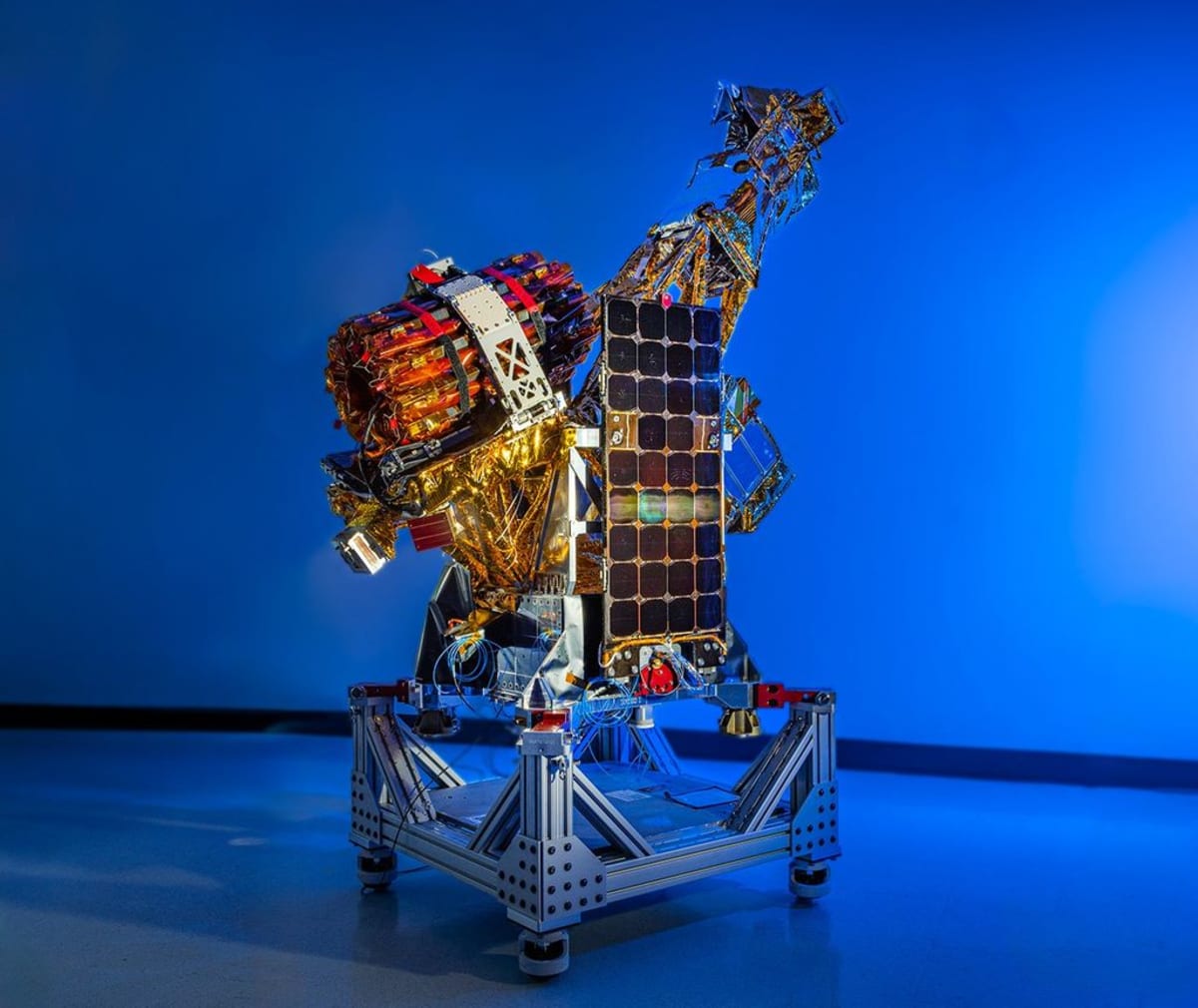
The robotic spacecraft, called LINK, will launch later this month from the Marshall Islands aboard a Northrop Grumman Pegasus XL rocket. Once in space, LINK will chase down Swift, carefully rendezvous with the aging telescope, and boost it to a higher altitude. This orbital lift will give Swift several more years to continue its groundbreaking science.
The mission represents more than just saving one telescope. No commercial company has ever attempted to service a NASA science spacecraft in orbit before. Success would prove that aging satellites don't have to become space junk when their orbits decay or systems fail.
The Ripple Effect
This rescue mission could transform how we think about spacecraft. Currently, most satellites are designed as one-way trips. When something breaks or fuel runs low, missions end. But if robotic servicing becomes routine, future satellites could be refueled, repaired, or repositioned, dramatically extending their usefulness.
The technology could save taxpayers billions by extending missions that cost hundreds of millions to build and launch. It could also reduce space debris by moving defunct satellites to safer orbits or bringing them down in a controlled manner.
For Swift specifically, more observation time means more discoveries about how the universe works. The telescope has already revolutionized our understanding of gamma-ray bursts and continues making important observations that newer telescopes can't replicate.
NASA will preview the mission during a media teleconference on June 17, bringing together scientists, engineers, and company leaders to discuss the ambitious rescue attempt. The launch is scheduled for later in June from Kwajalein Atoll.
After more than two decades of peering into the violent corners of space, Swift is about to prove that even aging explorers deserve a helping hand to keep doing what they love.
More Images


Based on reporting by NASA
This story was written by BrightWire based on verified news reports.
Spread the positivity!
Share this good news with someone who needs it