NASA Robot to Extend Life of Swift Space Telescope
A robotic spacecraft will launch this June to give NASA's Swift Observatory an orbital boost, extending its mission to study the most powerful explosions in the universe. The innovative rescue mission could add years to the telescope's cosmic detective work.
NASA is about to pull off a space rescue mission that could keep one of its hardest-working telescopes on the job for years to come.
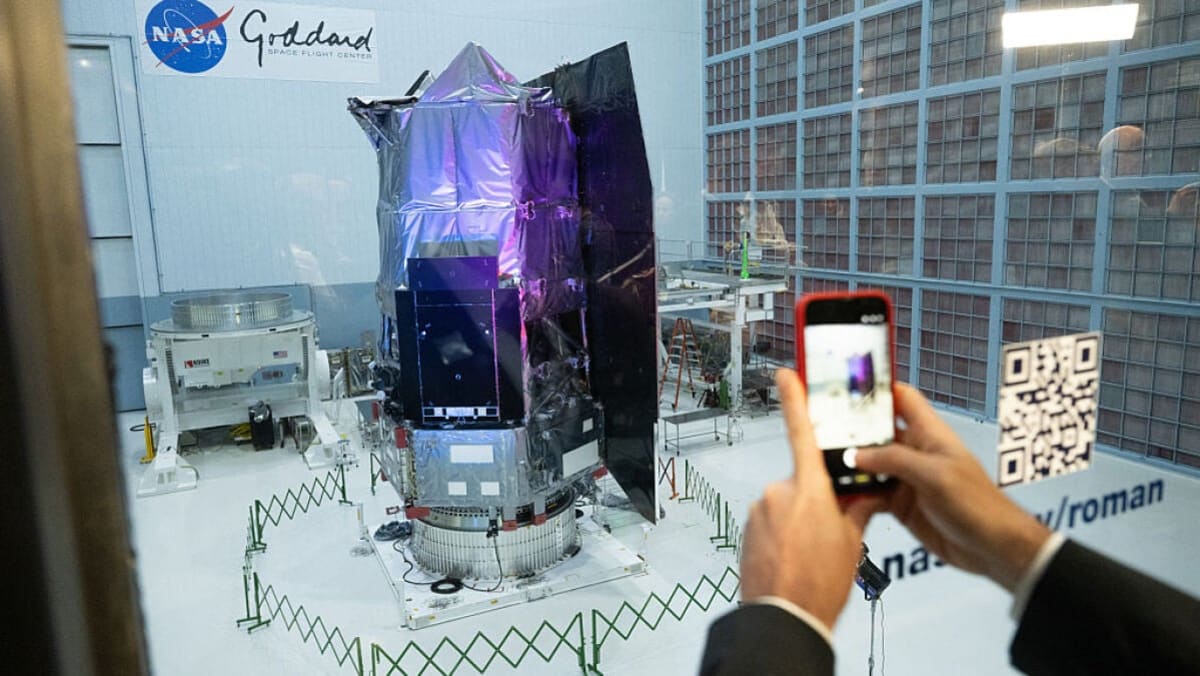
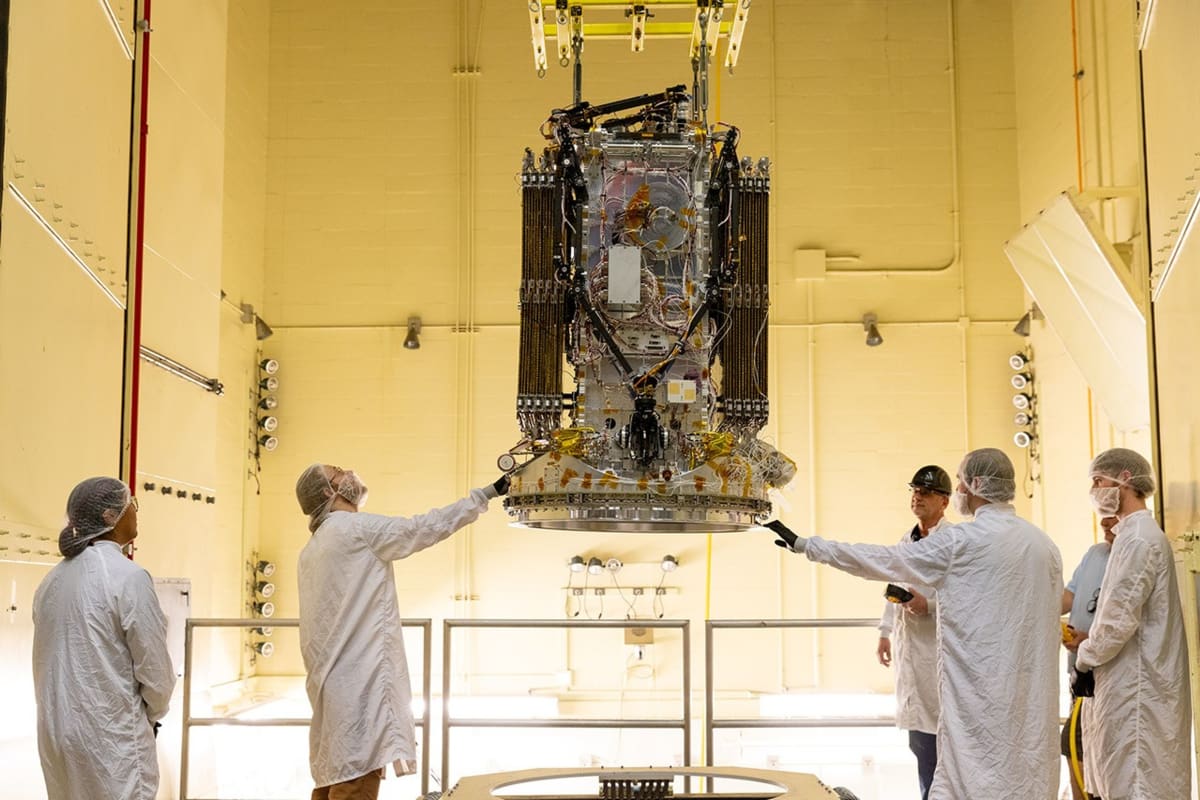
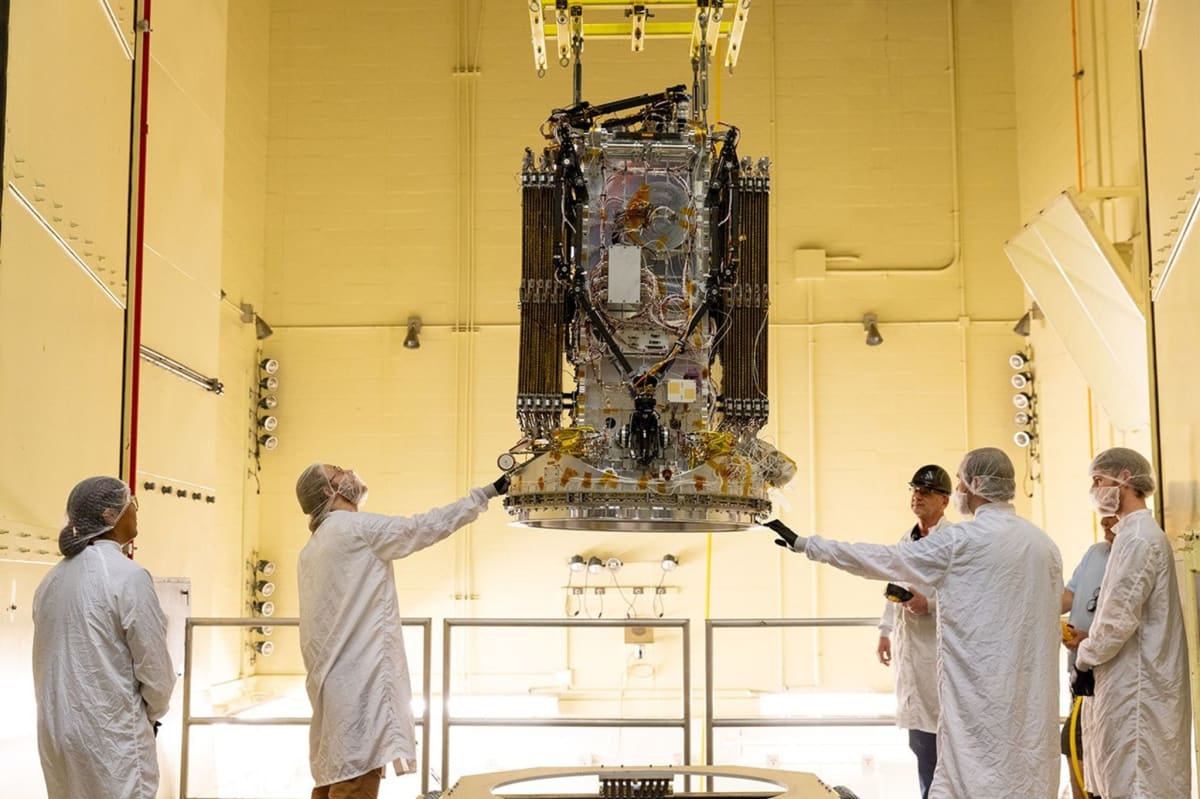
The Neil Gehrels Swift Observatory, which has been scanning the cosmos for gamma-ray bursts since 2004, is getting an orbital lift from an innovative robotic spacecraft. Katalyst's LINK robot will launch aboard a Northrop Grumman Pegasus XL rocket in late June, chase down Swift, and gently push it to a higher altitude.
Think of Swift as the universe's emergency dispatcher. When something dramatic happens in deep space, like a massive star explosion or black hole collision, Swift spots it first and alerts other telescopes to swing into action. These gamma-ray bursts are the most powerful explosions in the universe, and Swift has been tracking them for over two decades.
The problem is gravity. Orbiting satellites gradually lose altitude over time, and Swift needs a boost to stay operational. That's where LINK comes in.
The robotic servicing spacecraft represents a new era in space maintenance. Instead of abandoning aging satellites, we can now send robots to extend their lives. It's like calling a tow truck for space, except the truck is autonomous and the road is 400 miles straight up.
Media will get a preview of the mission on June 17 at NASA's Wallops Flight Facility in Virginia. They'll see the Pegasus rocket and the L-1011 Stargazer aircraft that will carry it to launch altitude before releasing it mid-air.
The Ripple Effect
This mission isn't just about saving one telescope. It's proving that satellite life extension is possible, potentially transforming how we manage the billions of dollars worth of equipment orbiting Earth. Future missions could repair, refuel, or reposition satellites instead of replacing them, making space exploration more sustainable and affordable.
Swift's continued operation means scientists can keep studying the universe's most mysterious phenomena. Every gamma-ray burst it detects adds another piece to the puzzle of how stars die, black holes form, and the cosmos evolves.
The technology Katalyst is demonstrating could eventually service everything from Earth observation satellites to deep space telescopes. That means better climate monitoring, improved communications, and more scientific discoveries without the waste of abandoning functional spacecraft.
Space is getting its first real maintenance crew, and Swift gets to be the grateful customer.
More Images
Based on reporting by NASA
This story was written by BrightWire based on verified news reports.
Spread the positivity!
Share this good news with someone who needs it