James Webb Telescope Maps First Alien Weather Forecast
Scientists just predicted the weather on a planet 690 light-years away, watching sandy clouds clear from morning to evening. The breakthrough reveals what gas giants really look like beneath their cloudy skies. ---
For the first time ever, astronomers have tracked a full daily weather cycle on a planet beyond our solar system, watching clouds of vaporized sand clear like morning fog.
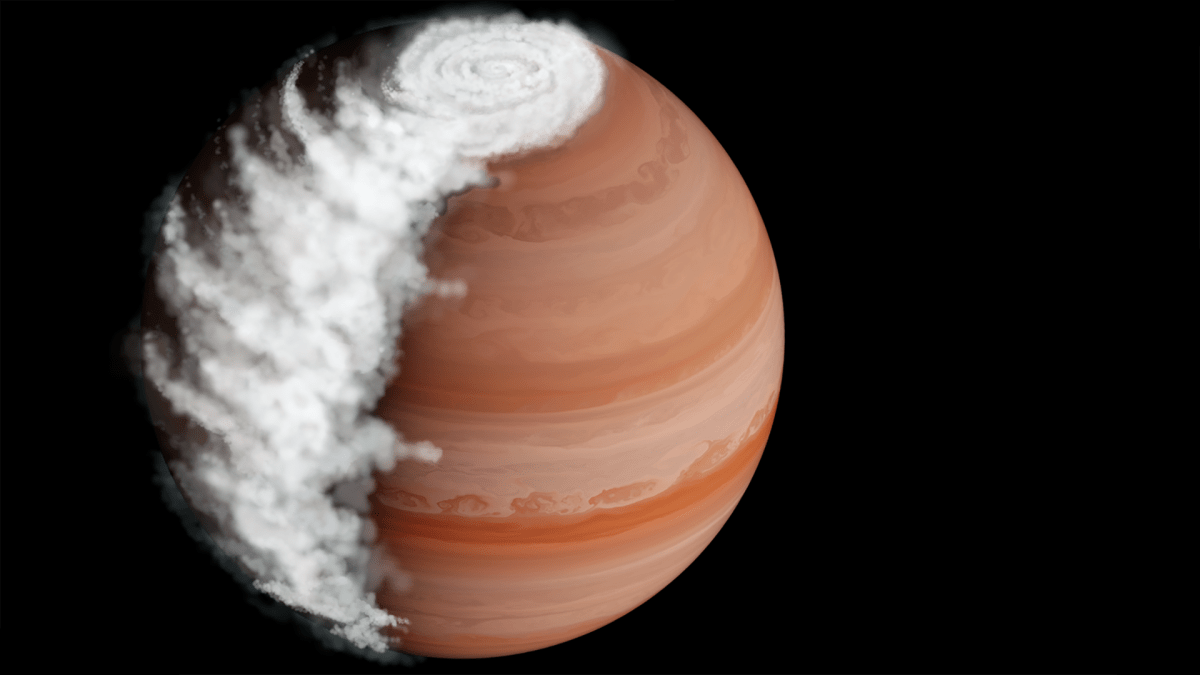
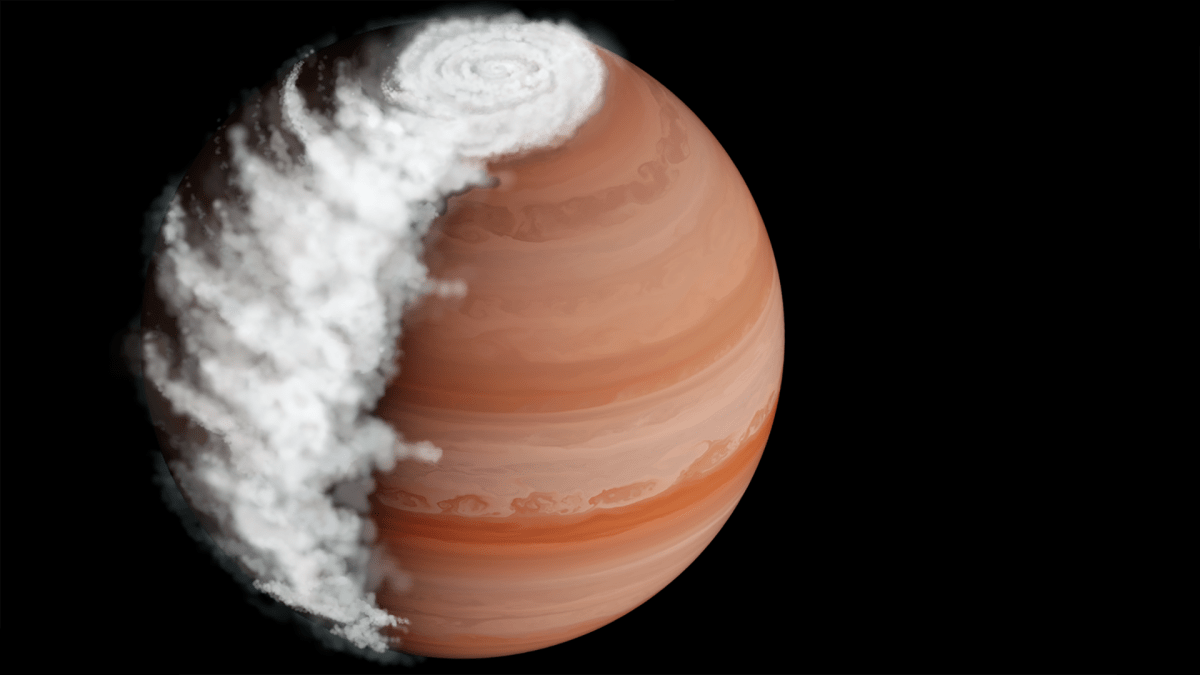
The James Webb Space Telescope observed WASP-94Ab, a gas giant 690 light-years from Earth, as it completed its four-day orbit around its star. What scientists saw amazed them: thick magnesium silicate clouds (essentially flying sand) covering the planet's morning side that gradually disappeared by evening, revealing a crystal-clear view of the atmosphere below.
"I've been looking at exoplanets for 20 years and general cloudiness has been a thorn in our side," said David Sing of Johns Hopkins University. For decades, these metal and rock vapor clouds have acted like foggy windows, blocking scientists from understanding what these distant worlds are really made of.
The planet itself is extreme by Earth standards. WASP-94Ab is 1.7 times larger than Jupiter and orbits just 5.1 million miles from its star, reaching temperatures over 2,200 degrees Fahrenheit. That intense heat creates weather patterns unlike anything in our solar system.
Scientists think the clouds behave like morning fog on Earth, dissipating throughout the day. Strong winds might lift the vaporized magnesium silicate high into the atmosphere on the planet's permanent nightside, then blow these clouds around to the dayside where they sink deeper and disappear from view.
Why This Inspires
This breakthrough solved a puzzle that had confused astronomers for years. Earlier measurements suggested WASP-94Ab had hundreds of times more oxygen and carbon than Jupiter, which seemed impossible given how gas giants form. By observing through the clear evening sky, scientists discovered the planet is actually quite similar to our Jupiter, with only five times more of these elements.
The discovery changes how we study distant worlds. Sing's team has already found similar weather patterns on two other hot Jupiter planets, suggesting this cloud-clearing cycle might be common. That means scientists can finally see past the fog to understand what these planets are truly made of.
"Not only have we been able to clear the view, but we can finally pin down what the clouds are made out of and how they're condensing and evaporating as they move around the planet," Sing explained.
Twenty years of cloudy observations just gave way to clear skies and clearer answers about our cosmic neighbors.
---
More Images

Based on reporting by Google: James Webb telescope
This story was written by BrightWire based on verified news reports.
Spread the positivity!
Share this good news with someone who needs it