NASA Robots Think for Themselves on Science Missions
NASA just tested a fleet of AI-powered robots that can make their own scientific decisions, working together like an autonomous research team. This breakthrough could revolutionize how we explore distant planets where real-time human control is impossible.
Imagine sending robots to explore Jupiter's moons and trusting them to make smart science decisions on their own, without waiting months for instructions from Earth.
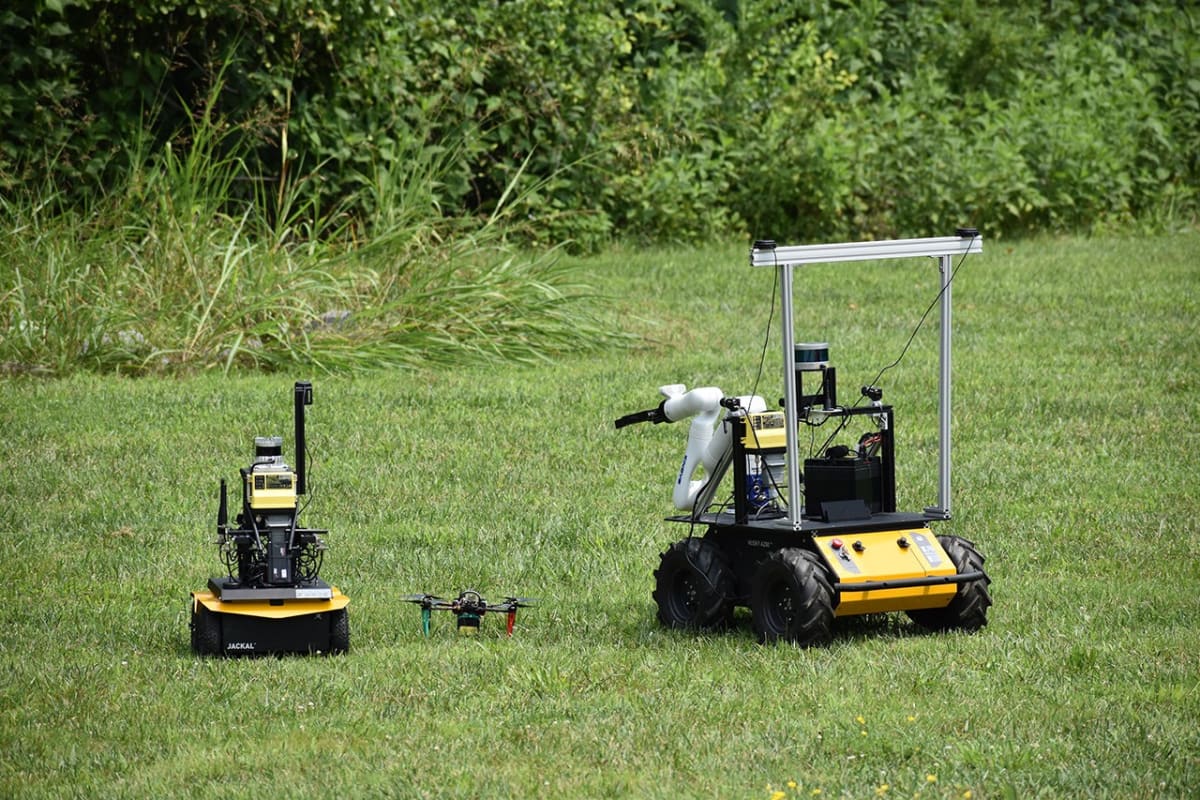
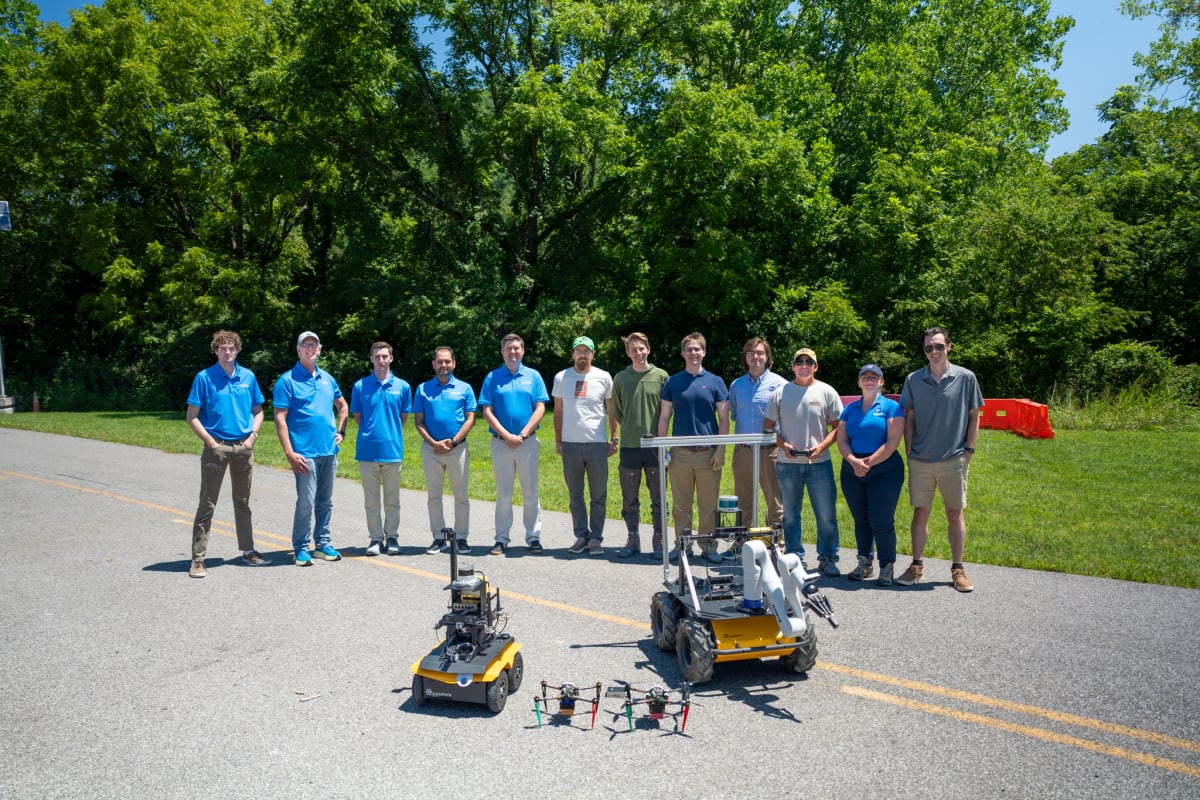
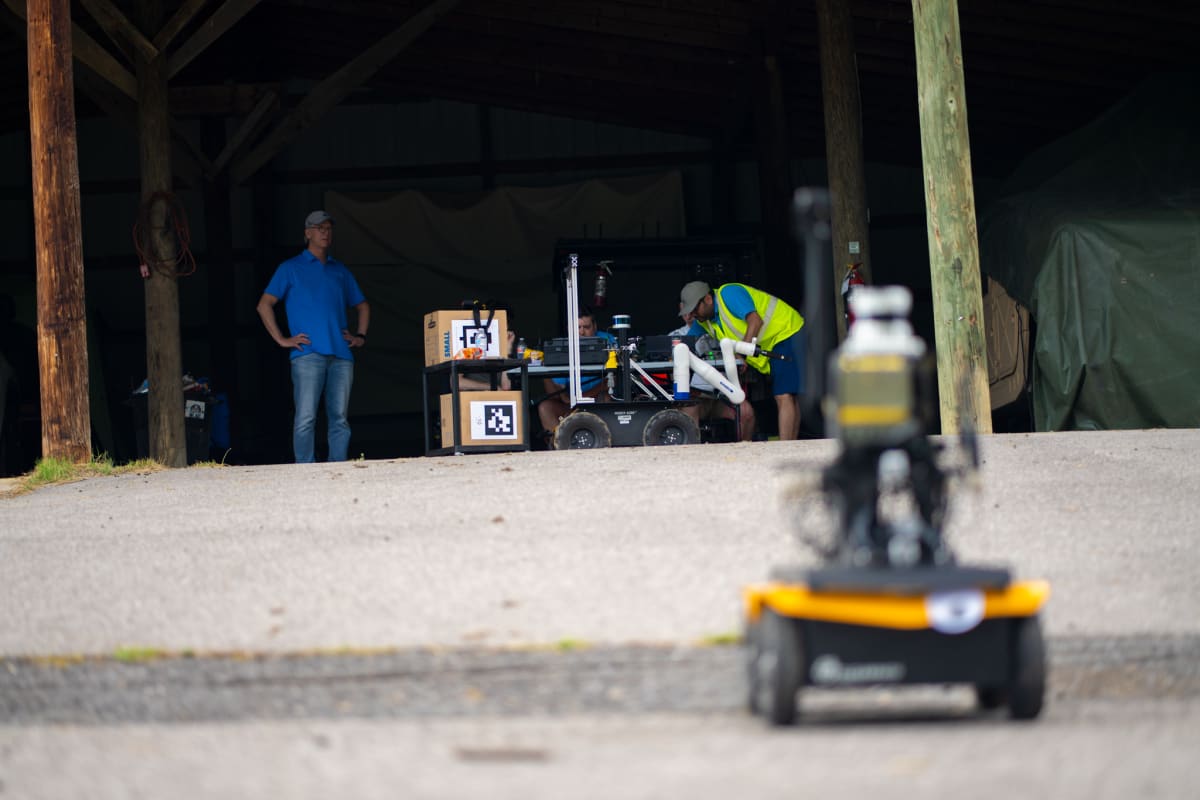
NASA just made that future a reality. This summer in Virginia, the space agency tested three robots that worked together as an independent science team, choosing what to investigate and how to spend their time based on goals set by human researchers.
The test involved a drone and two rovers at the Virginia Tech Transportation Institute. The drone scouted from above, spotting interesting areas to study. Then the fleet's AI weighed the risks, considered what scientists wanted to learn, and decided which robot should investigate each discovery.
Here's where it gets impressive. When the drone spotted something unexpected during its mission, it didn't just abandon its original task or ignore the new find. Instead, it paused, evaluated the opportunity, and brought in another robot to check out the bonus discovery while continuing its primary work.
The fleet handled both hard facts and judgment calls. How far away is each robot? How fast can it move? How badly do scientists want this particular data? Is the risk worth the potential reward? The AI processed all these questions simultaneously, just like a human science team would.
"We want to find a way for missions to do things that they could never do before because they didn't have a decision-maker on board," says Bethany Theiling, who leads NASA's ASTRA project at Goddard Space Flight Center.
The technology solves a massive problem for deep space exploration. Radio signals take hours to reach the outer planets, making real-time control impossible. These smart robots could explore dangerous terrain on Mars or investigate Saturn's moons without constant human supervision.
Why This Inspires
This isn't about replacing human scientists. It's about extending their reach to places too distant or dangerous for direct control.
The ASTRA team proved that robots can be trusted partners in discovery, capable of making nuanced decisions that honor both safety and scientific curiosity. They're teaching machines not just to follow orders, but to think through problems the way a dedicated research team would.
Future missions could accomplish years' worth of exploration in the time it currently takes to complete a single task. Instead of waiting for instructions from Earth, robots could adapt to surprises, follow up on unexpected finds, and maximize every moment in harsh alien environments.
The implications reach beyond space. This same technology could help autonomous systems explore Earth's deep oceans, investigate disaster zones, or conduct research in other extreme environments where human presence is limited.
NASA's robot team just showed us that the future of exploration isn't choosing between human wisdom and machine capability—it's combining both to reach farther than ever before.
More Images
Based on reporting by Google: scientific discovery
This story was written by BrightWire based on verified news reports.
Spread the positivity!
Share this good news with someone who needs it