NASA Rolls Artemis II Rocket to Pad for Moon Mission Tests
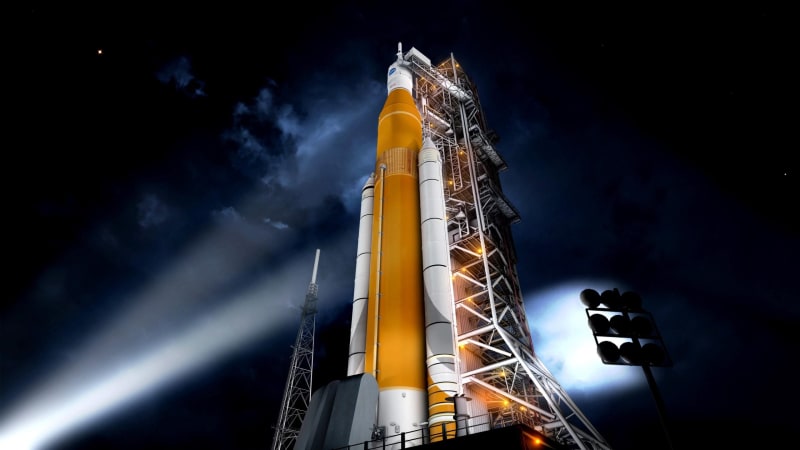
NASA is moving its massive Space Launch System rocket to the launch pad this weekend, bringing humanity's return to the Moon closer than it's been in over 50 years. Four astronauts are standing by as teams prepare for final tests before the historic Artemis II mission launches as early as February.
For the first time since the Apollo era, a Moon-bound rocket with a crew assignment is heading to the launch pad, and this time the journey includes four astronauts ready to make history.
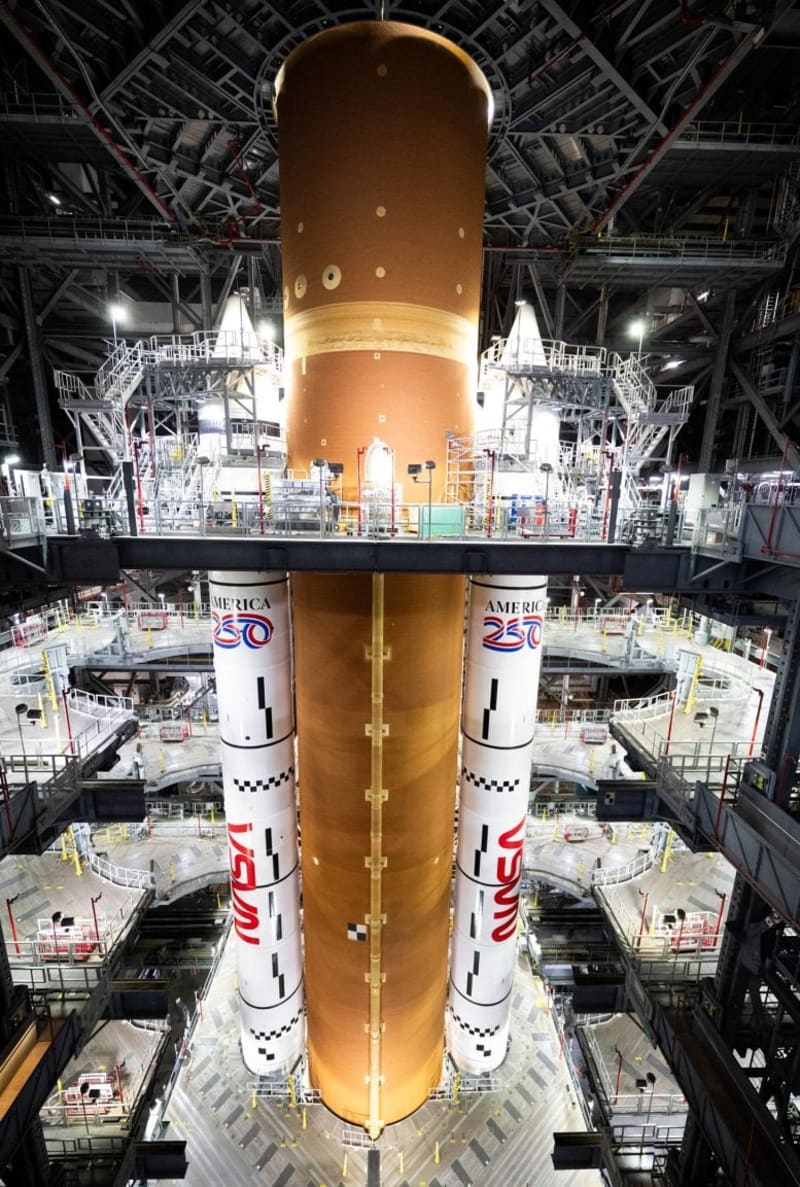
NASA is rolling out its Space Launch System rocket and Orion spacecraft to Kennedy Space Center's Launch Pad 39B as early as Saturday, January 17. The four-mile journey from the Vehicle Assembly Building will take about 12 hours, carried by a massive crawler transporter.
The Artemis II crew includes NASA astronauts Reid Wiseman, Victor Glover, and Christina Koch, plus Canadian Space Agency astronaut Jeremy Hansen. They'll be the first humans to fly near the Moon since 1972.
"We are moving closer to Artemis II, with rollout just around the corner," said Lori Glaze, NASA's acting associate administrator for Exploration Systems Development. She emphasized that crew safety remains the top priority as teams complete final preparations.
Once at the pad, engineers will spend weeks connecting electrical systems, environmental controls, and fuel lines. For the first time, they'll power up the fully integrated spacecraft and rocket together to make sure everything works as a complete system.
The astronauts will visit the pad for a final walkthrough before the big test arrives. Later in January, NASA plans a wet dress rehearsal where teams will load more than 700,000 gallons of super-cold rocket fuel and practice the entire launch countdown without the crew onboard.
Engineers have been fixing minor issues discovered during inspections, including replacing a bent cable in the flight termination system and repairing a valve in Orion's hatch pressurization system. These careful checks are exactly what keeps astronauts safe.
The wet dress rehearsal will include multiple practice countdowns, testing how smoothly the launch team can pause and restart during the critical final 10 minutes before liftoff. The closeout crew will also practice securing astronauts inside Orion and closing the hatches, rehearsing every step that matters on launch day.
NASA has updated its procedures based on lessons from the successful uncrewed Artemis I mission in 2022. Engineers will pay special attention to loading liquid hydrogen and oxygen, areas that presented challenges during earlier tests.
After the wet dress rehearsal succeeds, mission managers will hold a flight readiness review to evaluate every system before approving a launch date. While the launch window could open as early as February 6, NASA will only commit to a date after confirming everything is ready.
The Ripple Effect
This mission represents more than just four astronauts circling the Moon. Artemis II paves the way for Artemis III, which will land the first woman and first person of color on the lunar surface. The program is building the foundation for a permanent human presence on the Moon and eventually missions to Mars.
Every test, every rehearsal, and every careful check brings us closer to expanding humanity's reach beyond Earth orbit for the first time in a generation.
The Moon is waiting, and we're almost ready to answer its call.
More Images
Based on reporting by Google News - Science
This story was written by BrightWire based on verified news reports.
Spread the positivity! 🌟
Share this good news with someone who needs it