NASA Rover Data Reveals Mars Was Once Covered in Water
Scientists discovered hidden clues in 20-year-old Mars rover data proving water was far more widespread across the Red Planet than anyone thought. The finding brings us closer to understanding if Mars once supported life.
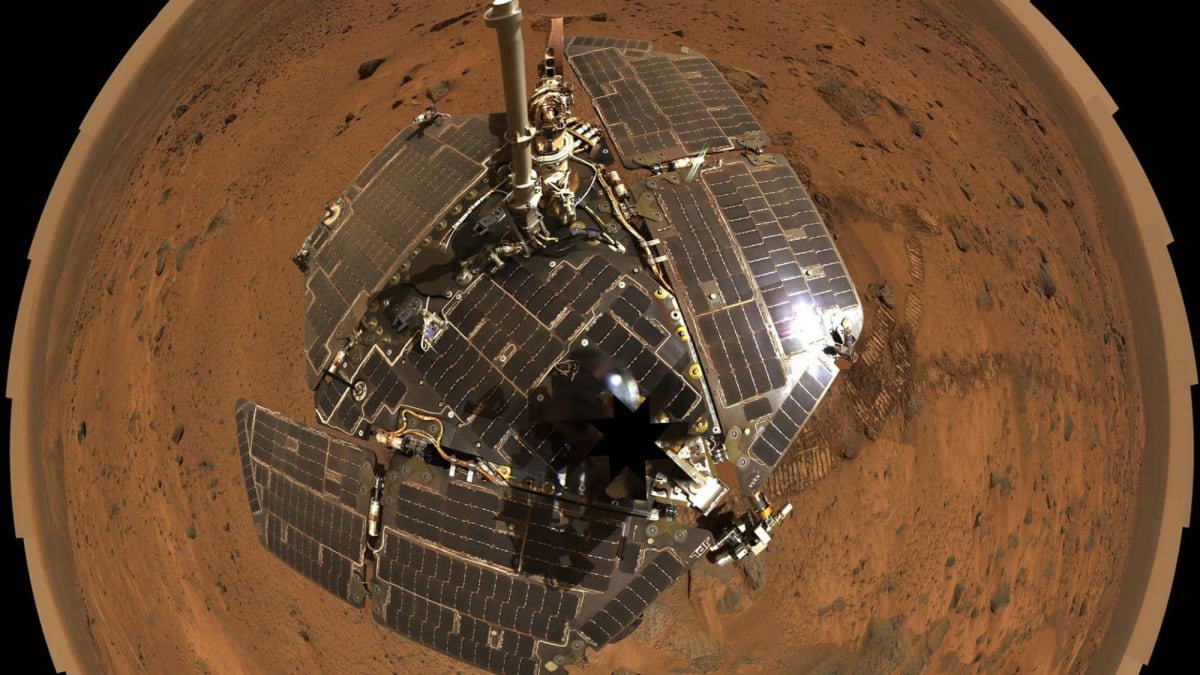
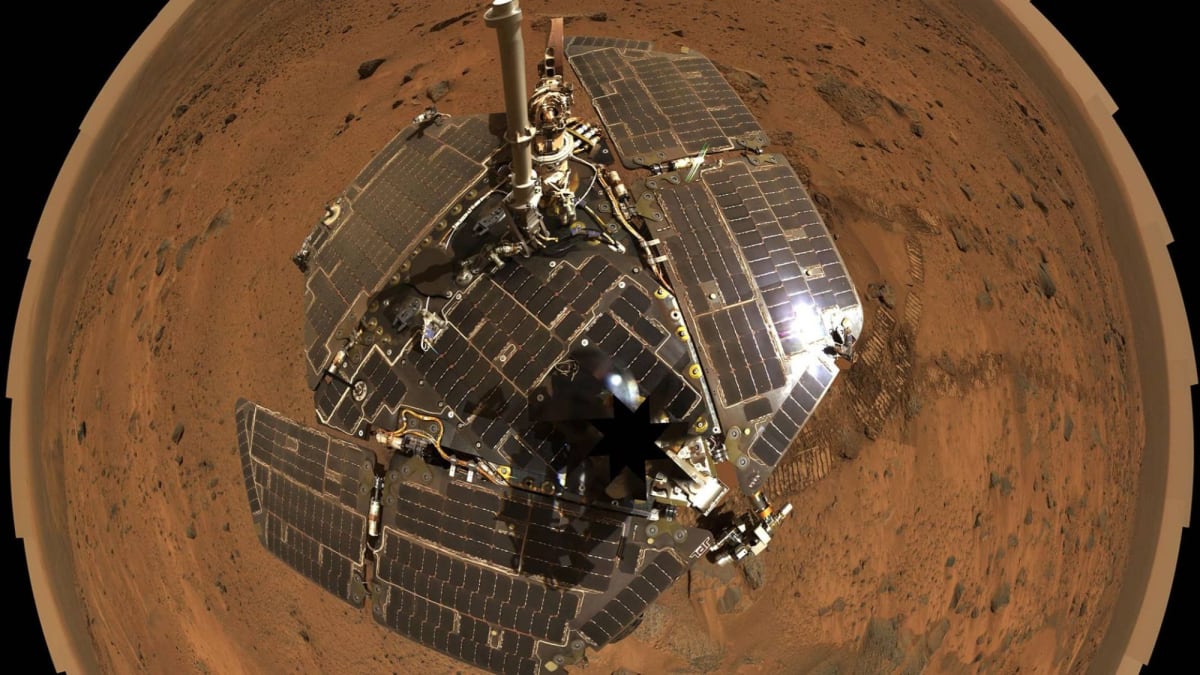
Two decades after NASA's Spirit rover first touched down on Mars, scientists just unlocked a secret hiding in plain sight that rewrites what we know about the Red Planet's watery past.
Researchers at Edith Cowan University in Australia took a fresh look at data Spirit collected between 2004 and 2010 and found something stunning. By combining hundreds of measurements from dusty Martian soil, they discovered widespread traces of crystalline hematite, an iron-bearing mineral that forms when rocks interact with liquid water.
Previous analyses missed it entirely. The mineral's signature was too faint to detect in individual measurements, but when scientists stacked thousands of readings together, the signal emerged loud and clear.
"This mineral's widespread presence suggests not only that water was present, but that significant areas of Mars may have once been covered by water," said Professor Paulo de Souza, who led the study. The team created the most detailed iron-mineral profile ever assembled for typical Martian soil by analyzing 32 undisturbed sites inside Gusev Crater, where Spirit landed in January 2004.
The discovery matters beyond one crater. Similar dust and soil blanket much of Mars, which means water-related chemical processes may have reshaped the planet's surface far more extensively than scientists previously believed.
The researchers also found altered magnetite, another sign that original volcanic minerals transformed over time through chemical reactions with water. Together, these minerals paint a picture of ancient Mars that was far wetter and potentially more habitable than the frozen desert we see today.
Why This Inspires
This breakthrough didn't require a shiny new mission or billions in funding. It came from looking at old data with fresh eyes and better analytical techniques, proving that groundbreaking discoveries can happen anytime someone asks the right questions.
Spirit's mission officially ended in 2010 when the rover got stuck in soft soil and lost contact with Earth. But the data it collected during six years of exploration keeps giving, helping multiple generations of scientists piece together Mars' history.
The findings join mounting evidence from other rovers that Mars once hosted long-lived lakes, river deltas, and water-altered rocks. NASA's Perseverance rover is currently exploring an ancient river delta in Jezero Crater, searching for signs that microbial life may have once thrived there.
Every new clue about Mars' watery past brings us closer to answering one of humanity's biggest questions: Are we alone in the universe?
More Images
Based on reporting by Space.com
This story was written by BrightWire based on verified news reports.
Spread the positivity!
Share this good news with someone who needs it