NASA Satellite Captures 'Hummingbird' in Antarctic Ice
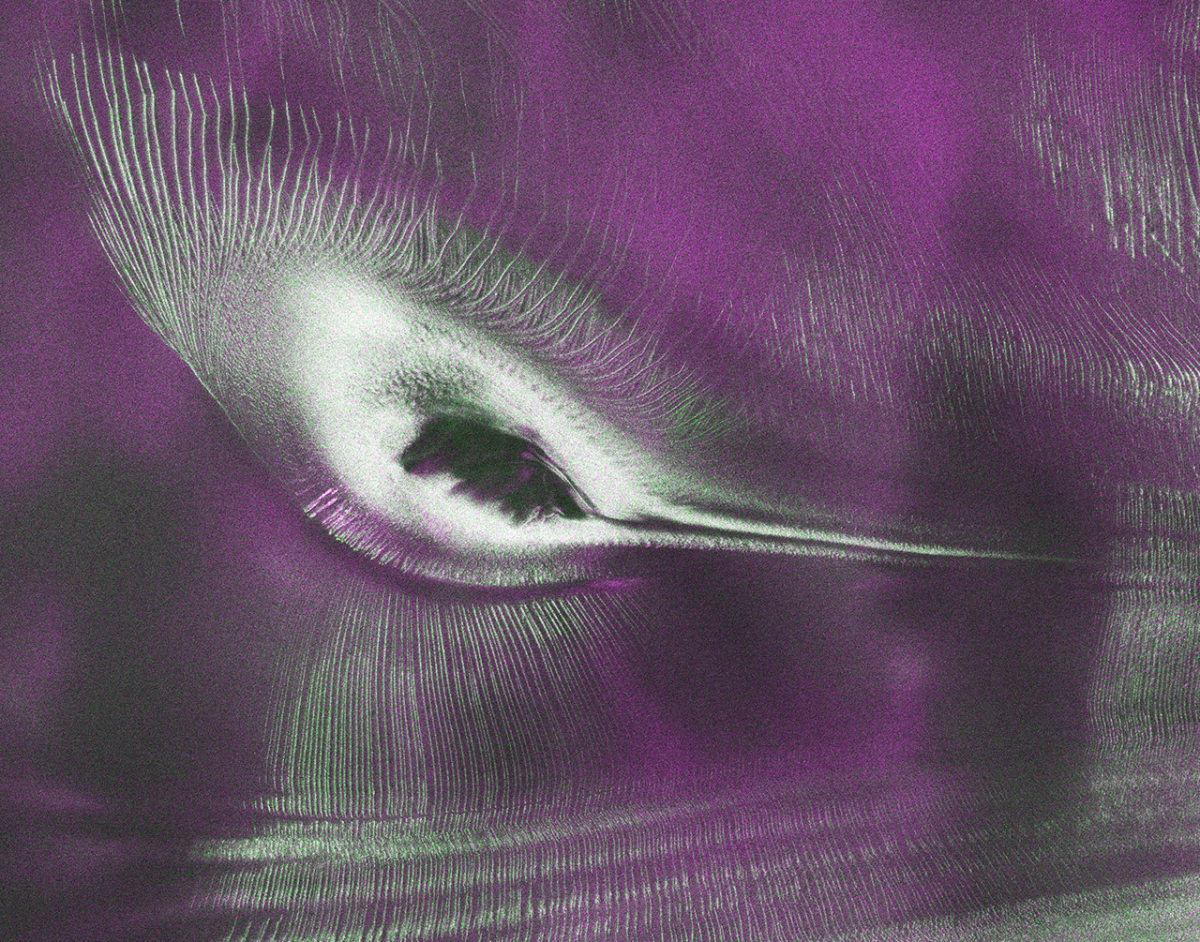
A new satellite created by NASA and India just sent back a stunning image from Antarctica that looks exactly like a hummingbird in flight. The accidental artwork reveals how cutting-edge radar technology is helping scientists understand our planet's most remote regions.
Scientists got an unexpected surprise when data from a powerful new Earth-observing satellite created an image that looks just like a hummingbird hovering over Antarctica.
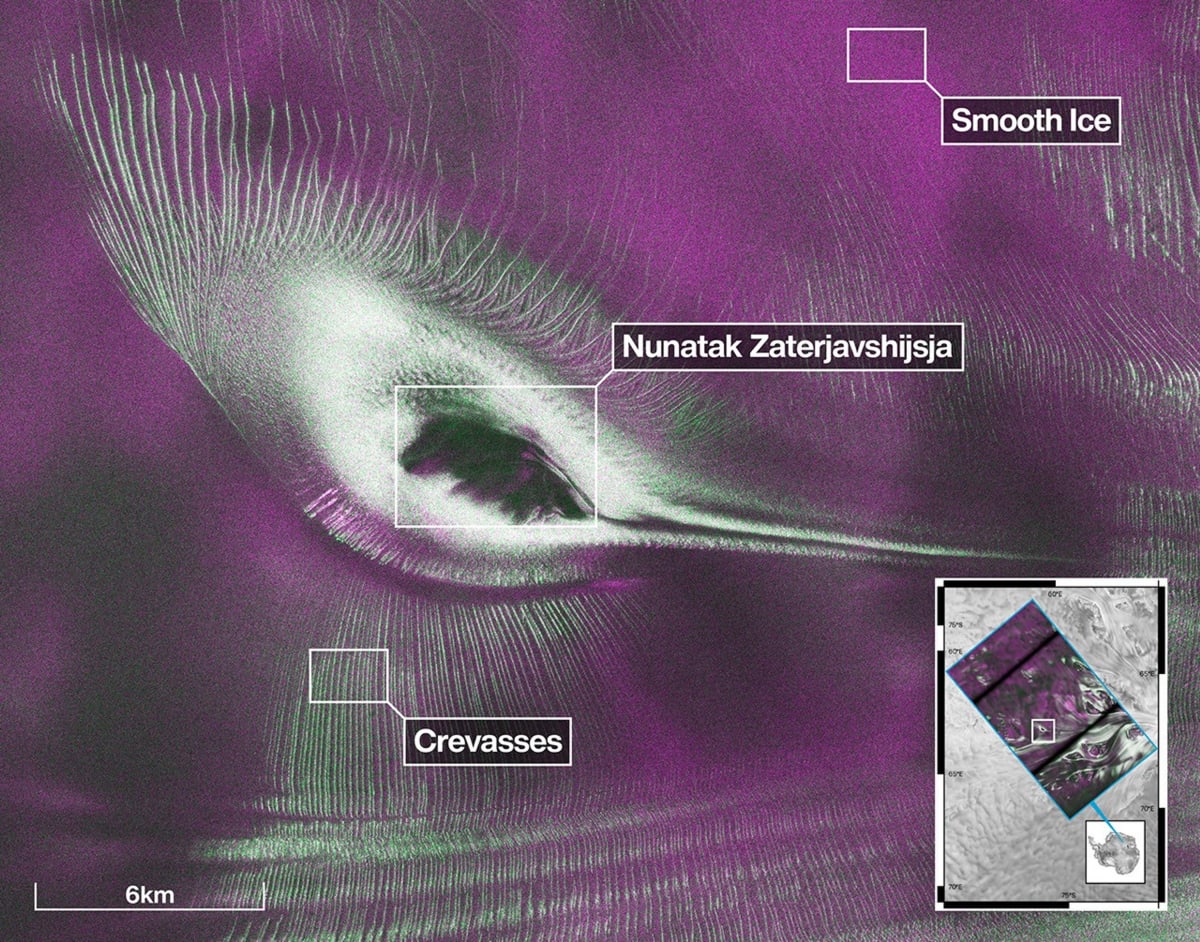
The beautiful accident happened in August 2025 when NISAR, a satellite built together by NASA and India's space agency, captured radar images of Nunatak Zaterjavshijsja. That's a mountaintop in East Antarctica poking through flowing ice like an island in a frozen river.
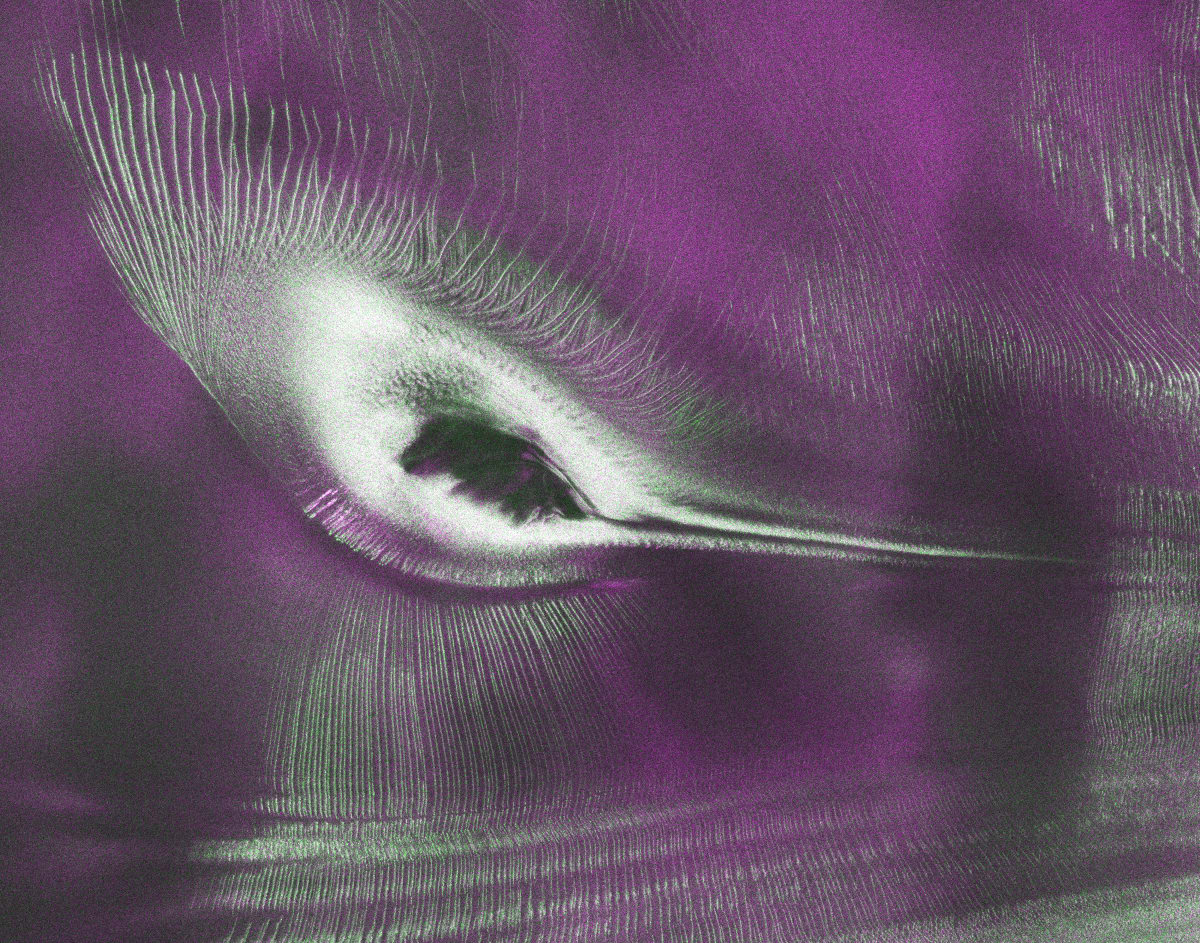
The mountain creates stress in the ice around it, causing deep cracks called crevasses to spread across the surface. When NISAR's advanced radar technology mapped these fractures, the pattern created what scientists now call "the hummingbird."
The image's vivid colors aren't just pretty. They're actually showing scientists how radar waves bounce off different ice surfaces in different ways.
Magenta areas show smooth ice that reflects signals straight back. Green shows rough, cracked surfaces where signals scatter in multiple directions. White represents a mix of both, helping researchers understand what's happening beneath the frozen surface.
NISAR isn't just making art. It's the most advanced radar satellite ever launched for studying Earth's ice sheets, and it carries the largest radar antenna NASA has ever sent to space at 39 feet wide.
Why This Inspires
This accidental beauty reminds us that scientific progress and wonder go hand in hand. The same technology helping us understand climate change and protect our planet also reveals unexpected artistry in nature's frozen landscapes.
The collaboration between American and Indian scientists shows what's possible when nations work together on big challenges. NISAR will spend years mapping how ice moves and changes, giving us crucial information about sea level rise and Earth's climate.
Sometimes the tools we build to answer serious questions also help us see our world in completely new ways. That mountaintop has been there for millennia, but it took human innovation and international cooperation to reveal the hummingbird hiding in the ice.
The satellite will continue collecting data that helps scientists predict how ice sheets will respond to warming temperatures. Every image adds to our understanding of these remote regions that affect weather patterns and ocean levels worldwide.
That frozen hummingbird isn't just a beautiful picture—it's a symbol of how curiosity and collaboration can help us protect the planet we call home.
More Images
Based on reporting by NASA
This story was written by BrightWire based on verified news reports.
Spread the positivity!
Share this good news with someone who needs it