Utah Mountain Hides 600 Olympic Pools Worth of Water
Scientists discovered a massive ice glacier hidden under rocks on Mount Timpanogos, holding enough water to fill 600 Olympic pools. This breakthrough could reshape how we understand Utah's water supply and future flood risks.
University of Utah researchers just found a secret water reserve hiding in plain sight on one of the state's most popular hiking spots.
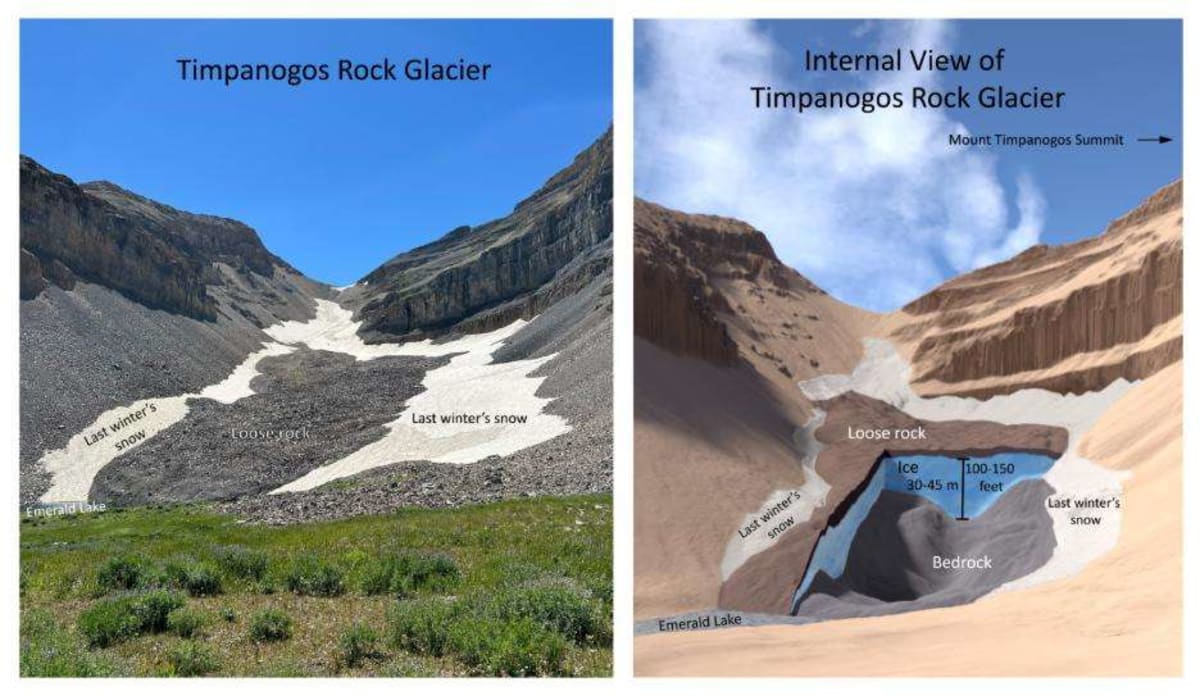
Mount Timpanogos holds a rock glacier packed with ice up to 150 feet thick, buried beneath layers of rock and debris. Thousands of hikers have walked right over it without knowing the massive ice sheet existed below their feet.
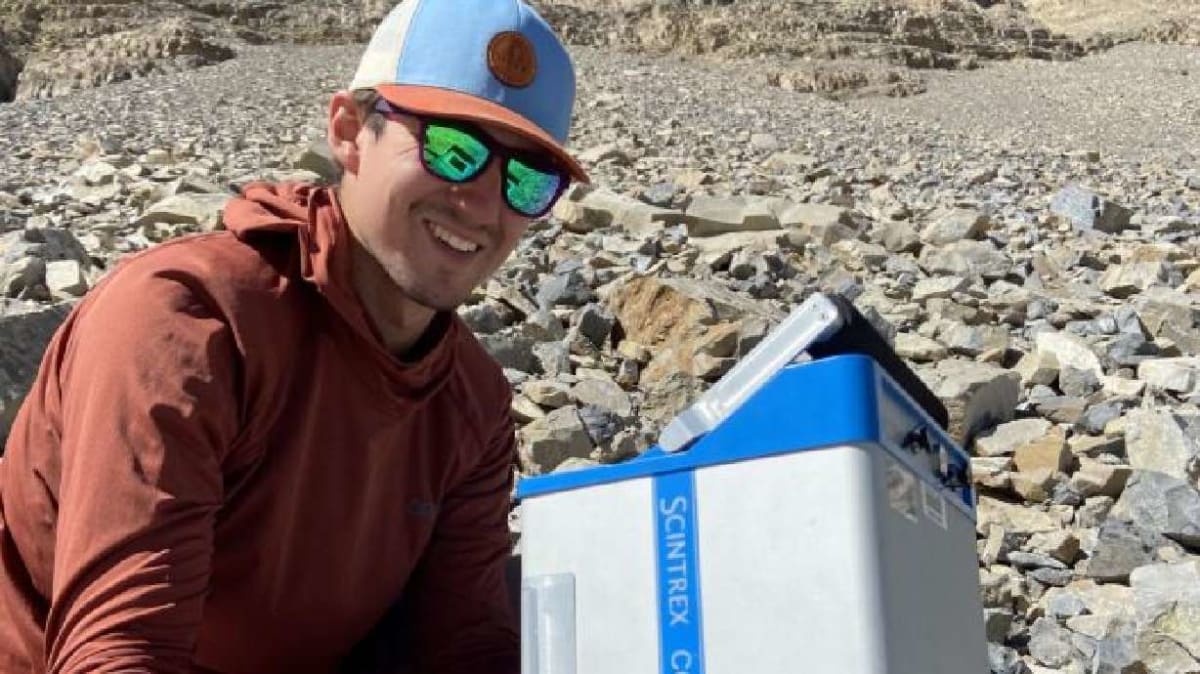
Geophysicist Michael Thorne and glaciologist Lief Anderson cracked the mystery using super precise gravitational measurements. Ice has less density than rock, so when their instruments detected lower gravitational pull in certain spots, they knew something different lay beneath the surface.
The team spent an entire semester on the mountain testing different devices before finding one that worked. Their breakthrough created a 3D image revealing the true size of the hidden glacier, enough water to fill 600 Olympic swimming pools.
This discovery matters for Utah's dry climate in surprising ways. Rock glaciers melt much slower than exposed ice because their rocky blanket acts like insulation, releasing cool water gradually through late summer when other snow has disappeared.
That slow melt provides sustained flow into streams and groundwater exactly when Utah needs it most. The covered ice also keeps the water much cooler, creating better habitat for cold water fish and other species.
Why This Inspires
Utah could have up to 836 rock glaciers statewide, potentially holding enough ice to fill 400,000 Olympic swimming pools. Anderson's team continues mapping more ice-filled glaciers, with promising sites around Mount Timpanogos and Little Cottonwood Canyon.
The discovery also helps scientists prepare for potential hazards. As climate change causes glaciers to shrink and shift, understanding where hidden ice exists becomes crucial for predicting floods and collapses. Recent catastrophic flooding in Nepal showed how dangerous hidden glacial lakes can be.
The new gravitational measurement technique means researchers can now identify which of Utah's hundreds of rock glaciers actually contain ice versus those that are just piles of rocks. This knowledge transforms how the state plans for both water resources and mountain safety.
Anderson expects to find more hidden water reserves in areas where massive amounts of snow build up on steep mountains. Each discovery adds another piece to understanding Utah's complete water picture and protecting communities below.
More Images



Based on reporting by Google News - Researchers Find
This story was written by BrightWire based on verified news reports.
Spread the positivity!
Share this good news with someone who needs it