Saudi Tech Cuts Water Use 98% Growing Desert Tomatoes
Saudi researchers just proved you can grow tomatoes in the desert using 98% less water than traditional farming. Their breakthrough could help feed millions in the world's driest regions.
Imagine growing nearly 20 times more tomatoes while using just a fraction of the water. That's exactly what Saudi Arabian scientists just demonstrated at a global environmental summit in Mongolia.
The National Research and Development Center for Sustainable Agriculture, known as Estidamah, shared game-changing results from their work turning one of Earth's harshest environments into productive farmland. Their high-tech greenhouses slashed water consumption from 350 liters per kilogram of tomatoes to just 4.9 liters while boosting yields from 5 kilograms per square meter to an astounding 99 kilograms.
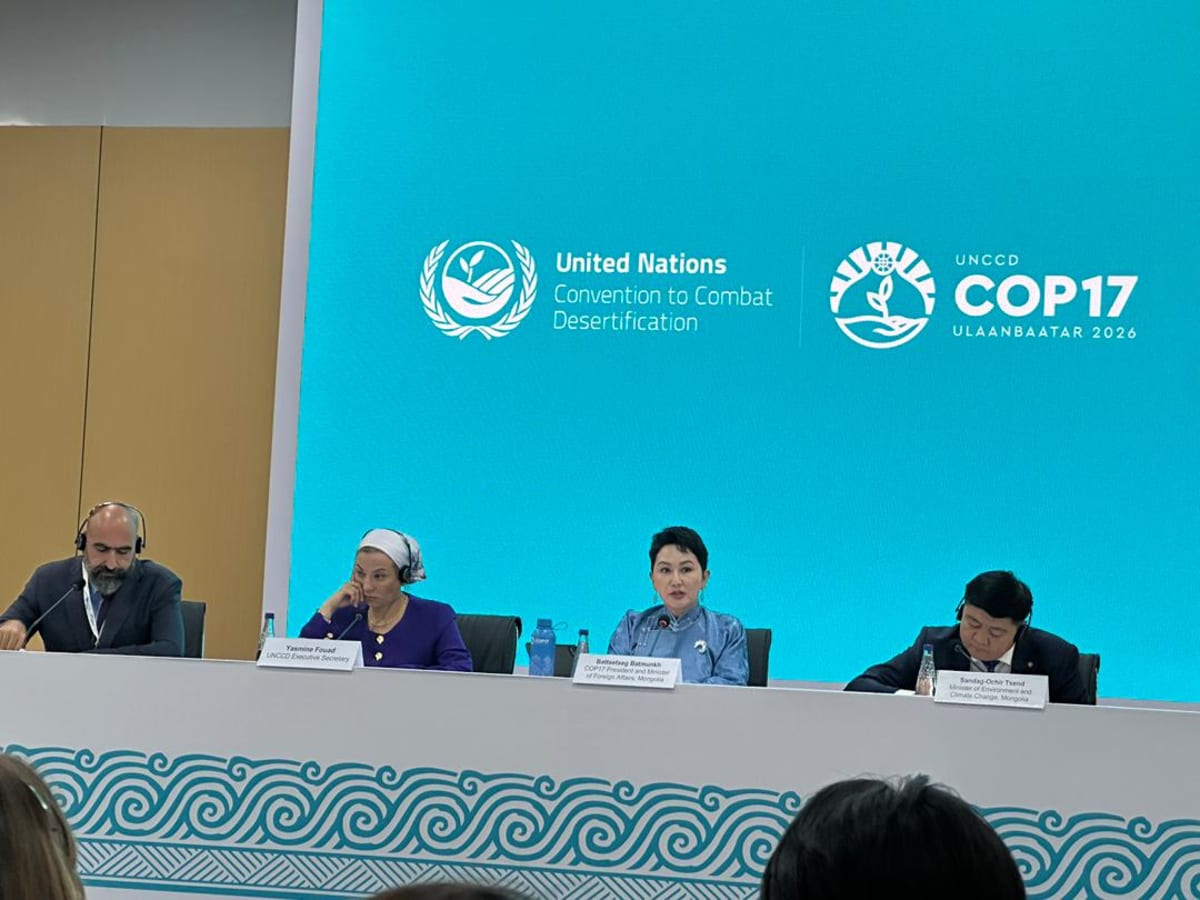
The center presented these findings at the UN Convention to Combat Desertification in Ulaanbaatar, where world leaders gathered to tackle growing threats from desert expansion. Mongolia, where nearly 77% of land faces degradation, became the first Central Asian nation to host the conference.
But the tomato breakthrough is just the beginning. Estidamah scientists developed rapid breeding techniques that produce five wheat varieties each year instead of one. This cuts the typical eight-year breeding cycle down to just three or four years, meaning drought-resistant crops reach farmers faster when climate conditions change.
The research team uses precision farming tools that sound like science fiction but work today. Sensors, satellites, and drones monitor soil conditions, schedule irrigation with pinpoint accuracy, and detect crop diseases before they spread. Water gets recycled through soilless farming systems that use palm waste as a growing medium, turning agricultural byproducts into resources.
The Ripple Effect
These innovations reach far beyond Saudi Arabia's borders. The center is testing over 200 local biofertilizers and developing vertical farming systems to grow duckweed as sustainable protein. Each breakthrough offers hope to regions where water scarcity threatens food security.
For countries facing similar desert conditions, Saudi Arabia's research provides a proven roadmap. The techniques work in extreme environments, meaning they can adapt almost anywhere water is scarce.
The timing couldn't be more critical as global temperatures rise and arable land shrinks. Solutions developed in Saudi Arabia's challenging climate may hold answers for farmers worldwide facing increasingly unpredictable weather and dwindling water supplies.
What started as Saudi Arabia's quest to grow food in the desert is becoming a blueprint for feeding the world sustainably.
More Images




Based on reporting by Regional: saudi arabia development (SA)
This story was written by BrightWire based on verified news reports.
Spread the positivity!
Share this good news with someone who needs it