NASA Satellites Navigate Space Without GPS Successfully
Four NASA satellites just proved spacecraft can navigate using other satellites as landmarks instead of GPS. The breakthrough could revolutionize how future missions find their way to the Moon, Mars, and beyond.
Imagine driving cross-country without GPS, using only the positions of other cars to figure out where you are. NASA's Starling mission just did exactly that in space, and it worked beautifully.
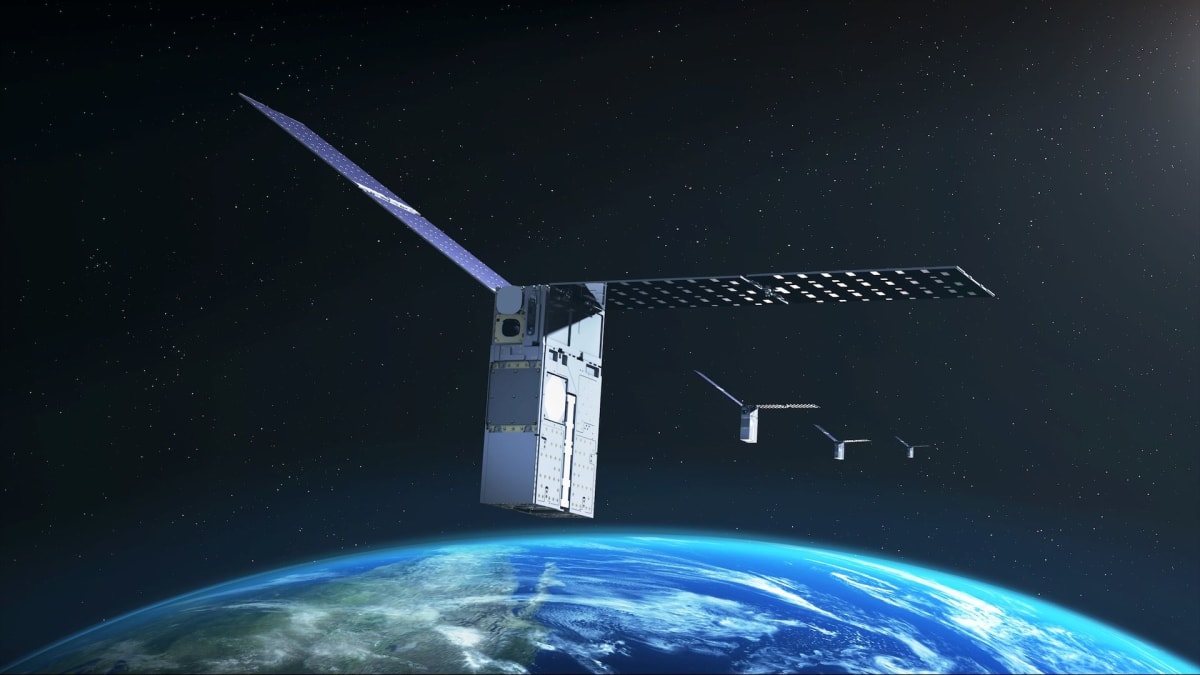
Four small satellites orbiting 350 miles above Earth spent the past three years testing a system called FALCON that navigates by watching other satellites pass by. Instead of relying on GPS signals, the spacecraft used their cameras to spot nearby objects, matched them to an onboard catalog of 20,000 known satellites, and calculated their own position based on where those objects were.
The results impressed mission managers so much that NASA extended the experiment until at least 2028. The satellites not only figured out where they were on their own, they actually improved the tracking data for 200 other objects in space better than ground stations could.
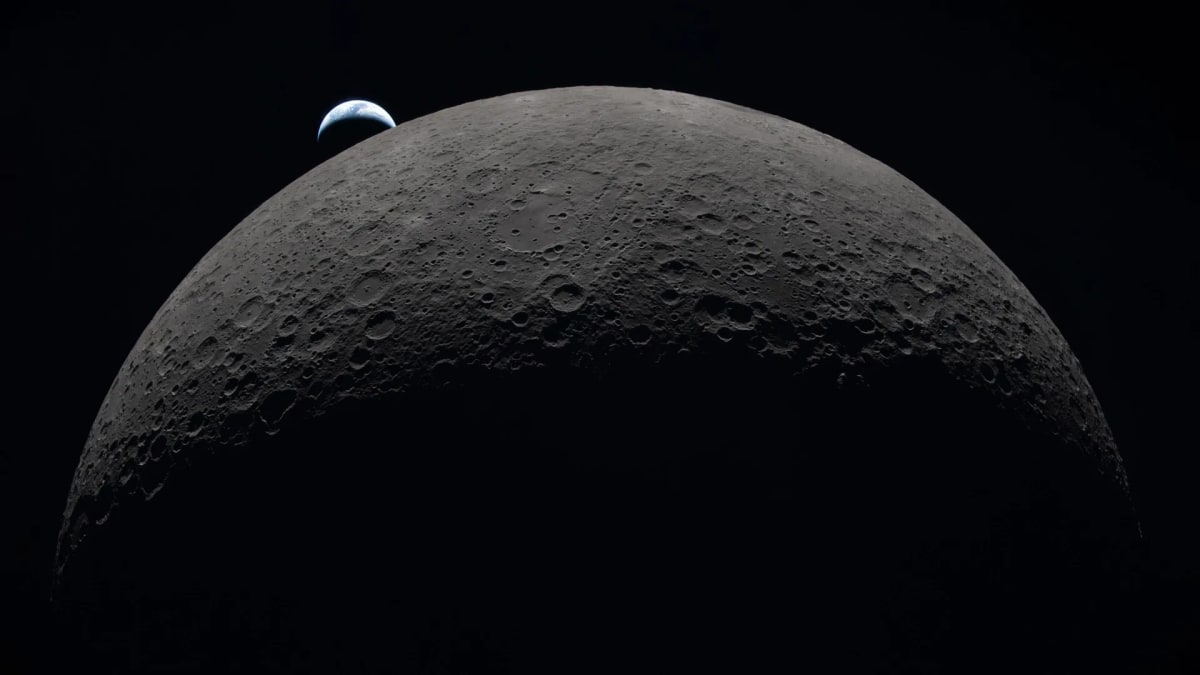
This matters because GPS only works near Earth. As NASA prepares to send astronauts back to the Moon in 2028 and build a permanent lunar base, spacecraft need a new way to navigate. The Moon's gravity is uneven, with dense spots called mascons that can pull satellites off course or even crash them into the surface.
EraDrive, the company that developed FALCON with Stanford University researchers, created software that lets the satellites make all these calculations automatically. No ground control needed. The system works entirely onboard, which means spacecraft could navigate themselves anywhere in the solar system.
The Ripple Effect
The technology solves multiple problems at once. Beyond navigation, it gives spacecraft "space situational awareness," helping them understand their surroundings and avoid collisions automatically. With thousands of satellites now crowding Earth's orbit and more launching every month, this capability becomes crucial.
The military is paying attention too. The Space Force launched its own initiative this year seeking alternatives to GPS, concerned that the limited number of navigation satellites could become vulnerable. FALCON offers a solution that works anywhere, using whatever objects happen to be nearby.
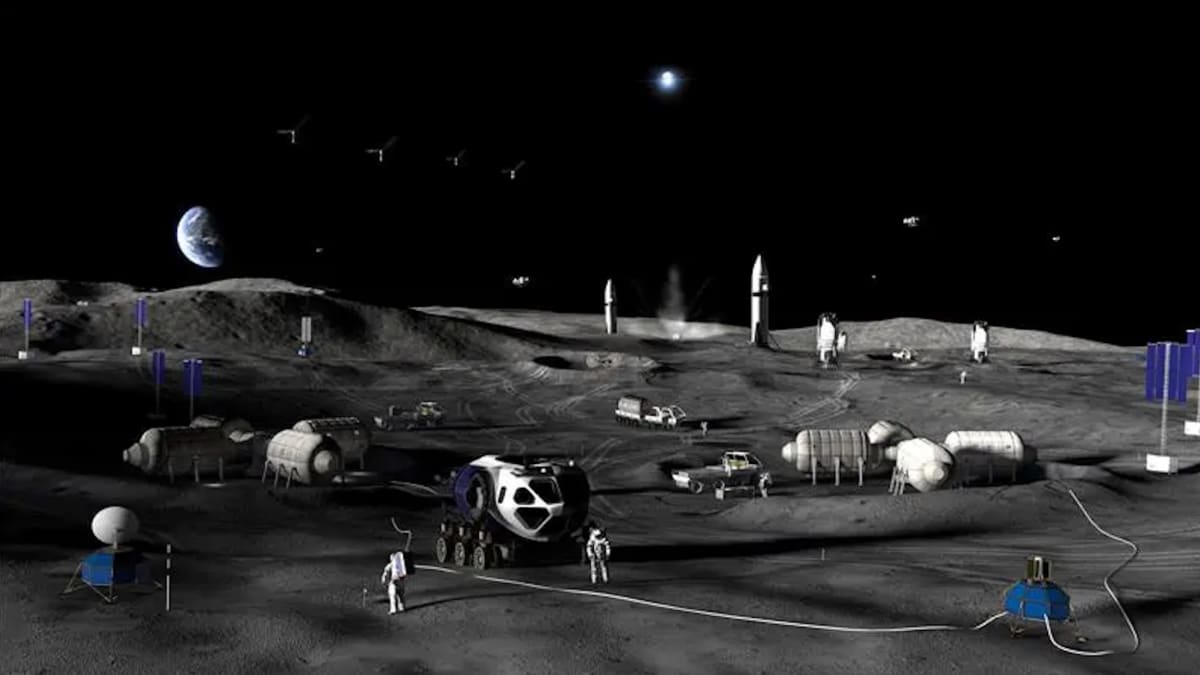
NASA plans to adapt these lessons for Moon and Mars missions, where the technology could coordinate swarms of scientific satellites or help spacecraft avoid traffic around future lunar bases. The same system that helped four small satellites find themselves in Earth's orbit could soon guide humanity's return to deep space.
Future missions won't get lost, even when GPS is millions of miles away.
More Images

Based on reporting by Space.com
This story was written by BrightWire based on verified news reports.
Spread the positivity!
Share this good news with someone who needs it