NASA Scientist Discovers Once-in-132-Year Moon Impact Crater
A NASA scientist spotted the largest newly formed crater ever found in the solar system while reviewing routine lunar photographs. The rare discovery reveals a comet or asteroid strike that scientists say only happens once every 132 years.
Robert Wagner was examining routine data reports from NASA's Lunar Reconnaissance Orbiter when a bright spot on the Moon's surface stopped him in his tracks. What he discovered in October 2025 turned out to be the largest newly formed crater ever found in the solar system.
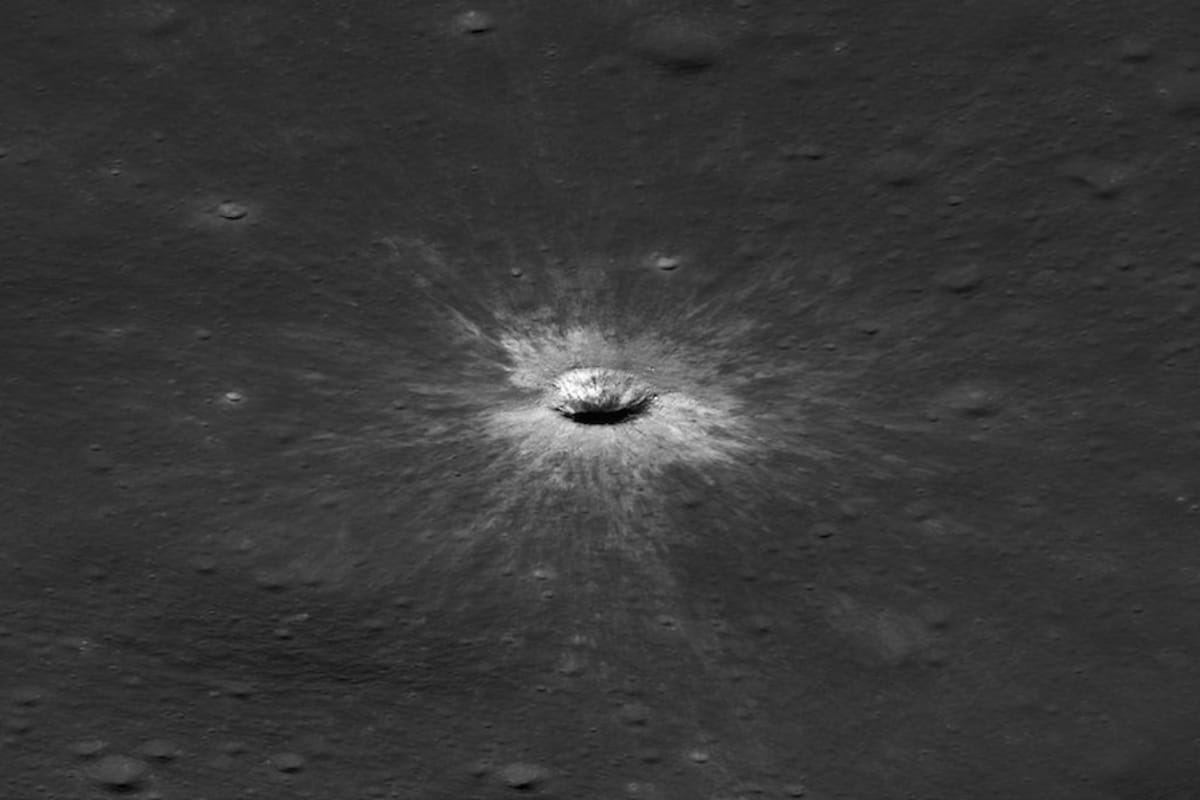
The McGetchin crater measures 222 meters across and 43 meters deep, roughly the size of the Roman Colosseum. Researchers believe a comet or asteroid the size of a three to six story building slammed into the Moon between April and May 2024, creating an impact event that only happens every 132 years.
Wagner said he immediately knew the unusually large bright spot circled by a dark halo needed further analysis. "I just stopped, dropped everything, and started looking into what that spot was," he explained. "It was by far the most obvious impact debris pattern I've ever seen."
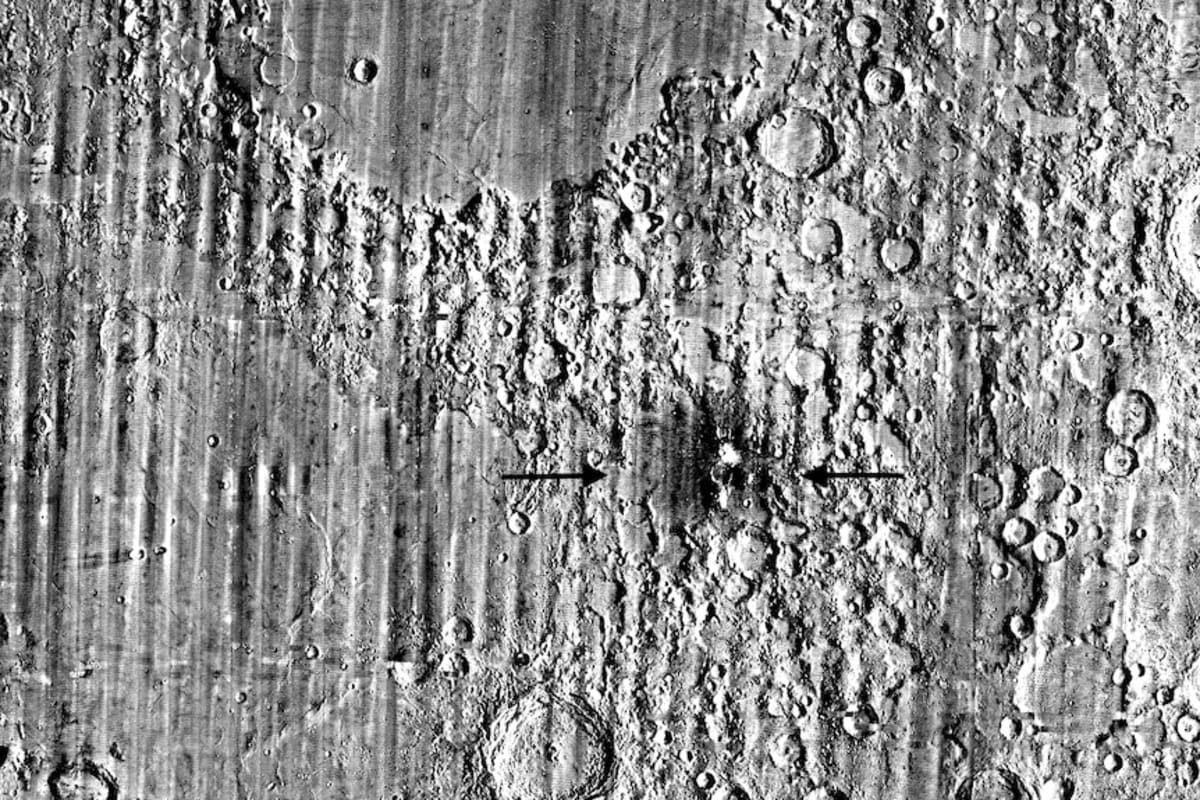
The discovery came from comparing before and after photographs taken by the Lunar Reconnaissance Orbiter, which has circled the Moon for more than 17 years. The spacecraft maps the lunar surface, capturing changes that reveal how our closest neighbor evolves over time.
The crater earned its name from pioneer lunar scientist Tom McGetchin. At three times bigger than the previous record holder found a decade ago, this discovery is helping scientists understand the Moon's surface in new ways.
Further analysis revealed an unexpected bonus: a 6.5 kilometer "cold spot" surrounding the crater where unsettled Moon dust and soil couldn't retain surface heat as well. This physical change could affect how future rover wheels interact with the lunar surface, giving mission planners critical information for upcoming Moon explorations.
The Ripple Effect
About 140 new craters appear on the Moon each year, but most are too small for cameras to capture. The McGetchin discovery shows that major impacts churn the lunar surface far more dramatically than scientists previously understood, with dust and rocky soil hurled more than 100 kilometers away.
These findings revealed that the top two centimeters of the Moon's surface soil gets overturned by ejected material every 80,000 years. That's happening faster than scientists previously thought, giving researchers better insight into how the Moon changes over time.
Mark Robinson, a chief scientist for the spacecraft's cameras, called the event "a statistically rare, effectively once in a lifetime observation." The discovery demonstrates how consistent monitoring of space can reveal extraordinary moments hiding in routine data.
Wagner's sharp eye and the patience of 17 years of lunar observation came together to capture something remarkable. Sometimes the biggest discoveries happen when we're simply paying attention.
More Images


Based on reporting by ABC Australia
This story was written by BrightWire based on verified news reports.
Spread the positivity!
Share this good news with someone who needs it