NASA Scientist Spots Once-in-132-Years Moon Crater
A NASA scientist stumbled upon the largest newly formed crater ever discovered in our solar system while reviewing routine lunar images. The finding reveals a rare impact event that researchers say only happens about once every 132 years. #
Robert Wagner was doing routine work when he spotted something extraordinary: a bright spot on the Moon that would turn out to be a discovery of a lifetime.
The NASA scientist was examining daily image reports from the Lunar Reconnaissance Orbiter in October 2025 when he noticed an unusually large bright spot surrounded by a dark halo. He stopped everything he was doing.
"It was by far the most obvious impact debris pattern I've ever seen in one of these images," Wagner said.
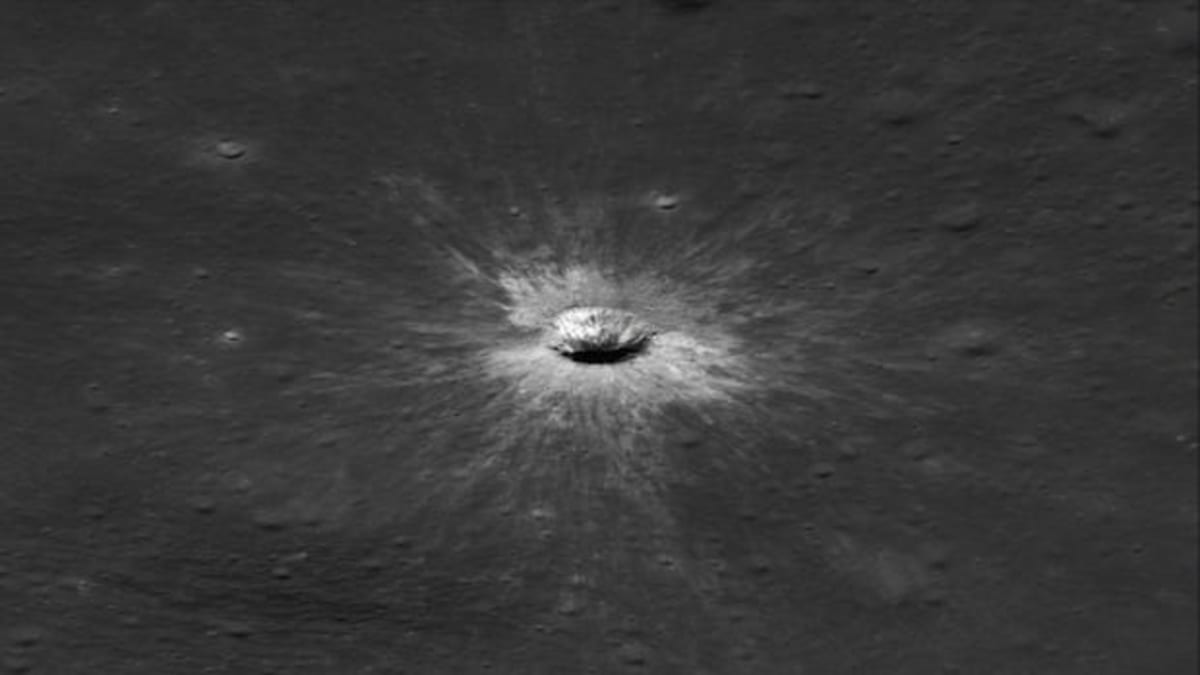
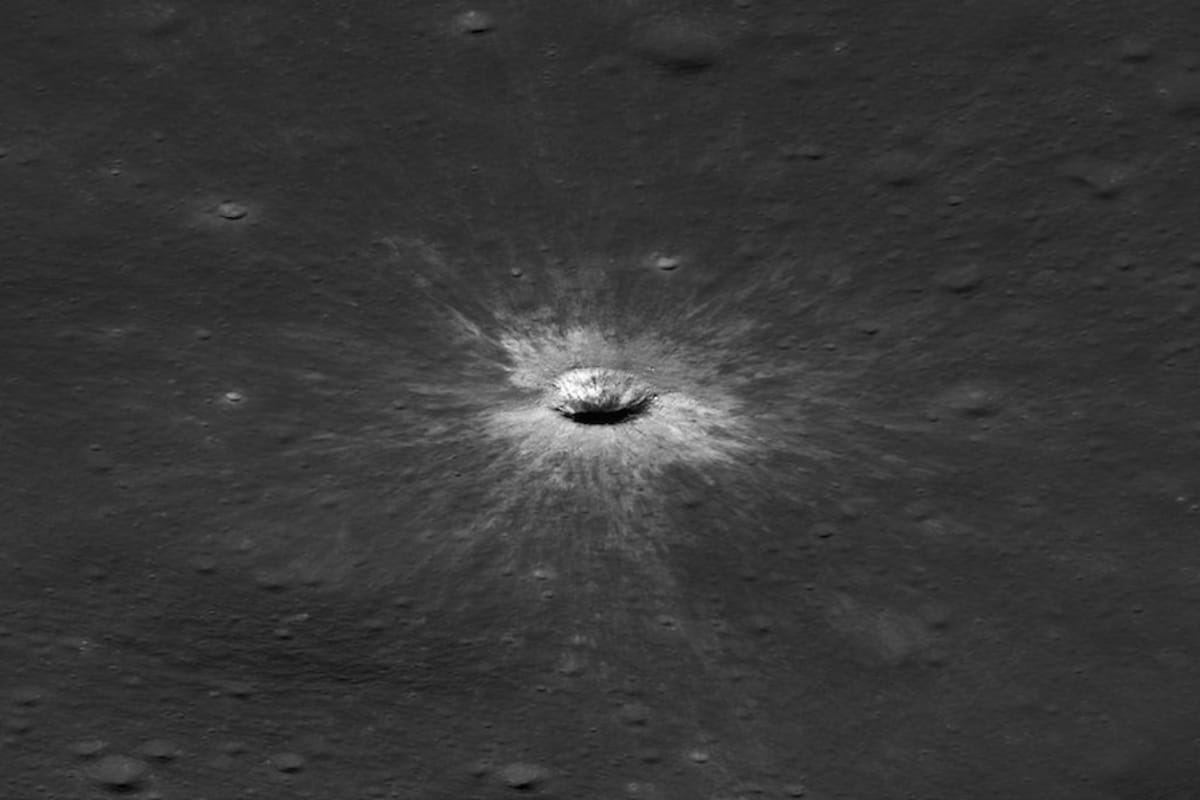
What he'd found was the McGetchin crater, a massive scar on the lunar surface measuring 222 meters across and 43 meters deep. That's roughly as wide and deep as Rome's ancient Colosseum, and three times bigger than any other new crater the spacecraft has discovered.
Scientists believe the crater formed between April and May 2024, when an asteroid or comet the size of a three to six story building slammed into the Moon. Humans just didn't notice until more than a year later.
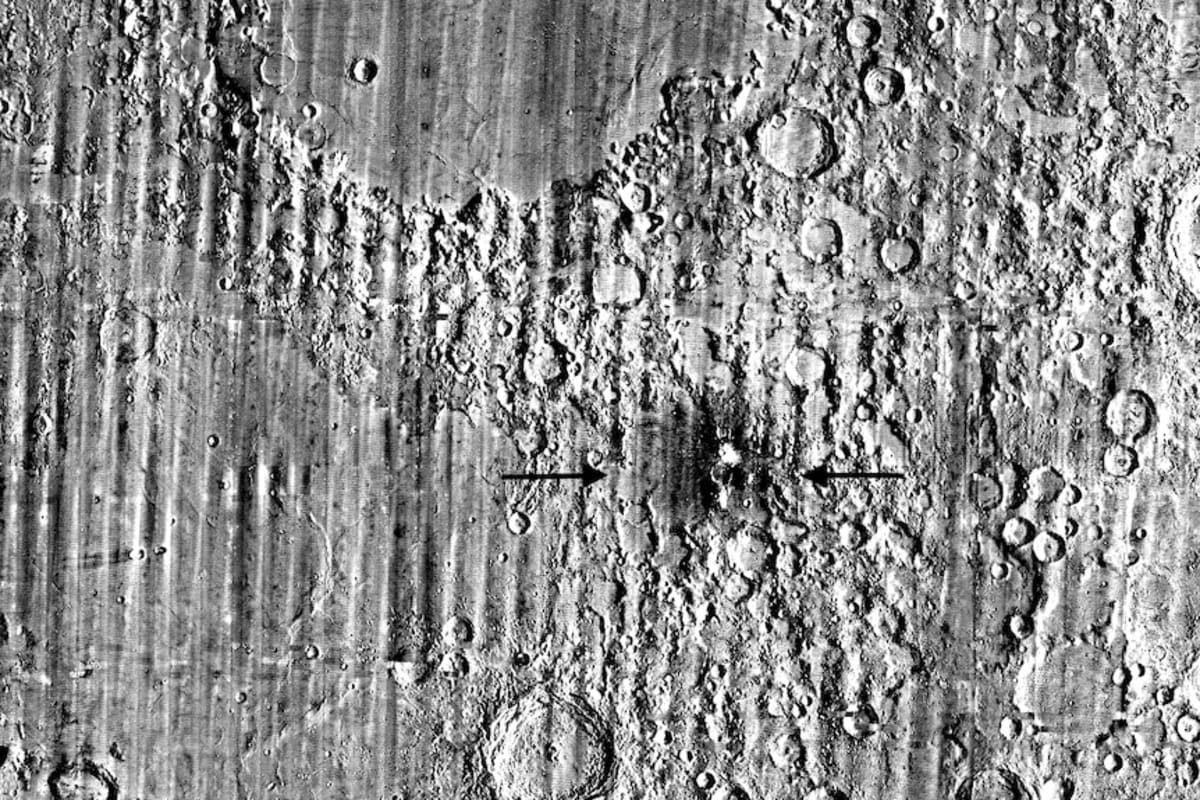
The discovery came from comparing before and after photos taken by the orbiter, which has been circling the Moon for more than 17 years. The spacecraft constantly maps changes to the lunar surface by snapping high resolution images of the same spots over time.
Wagner spotted the crater because NASA software flags surface changes by highlighting them in different shades. He then verified his find by looking for small fuzzy halos around bright points, which indicate splashes of lunar dust and soil around new impact sites.
Why This Inspires
The McGetchin crater represents a statistically rare event that chief scientist Mark Robinson called "effectively once-in-a-lifetime observation." Finding it happened partly through cutting edge technology and partly through one scientist's careful attention to routine work.
The discovery taught researchers something new about how impacts reshape the Moon. Temperature readings revealed a 6.5 kilometer "cold spot" around the crater where disturbed lunar soil became less dense and couldn't retain heat as well. That means impacts can modify the Moon's surface far beyond the crater itself, which matters for planning future lunar missions.
The impact churned the lunar surface for more than 100 kilometers, hurling dust and rock at higher angles than scientists expected. The finding also revealed that the top two centimeters of the Moon's soil gets completely overturned every 80,000 years, faster than previously thought.
About 140 new craters appear on the Moon each year, but most are microscopic. The spacecraft can detect craters as small as nine meters wide, made by rocks just over a meter in size. Scientists use these discoveries to map everything from landslides to lava tubes to seismic faults.
The crater earned its name from Tom McGetchin, a pioneer in lunar science who helped lay the groundwork for discoveries like this one.
One scientist's routine Tuesday became a breakthrough that happens once in more than a century.
#
More Images


Based on reporting by Google: NASA discovery
This story was written by BrightWire based on verified news reports.
Spread the positivity!
Share this good news with someone who needs it