NASA Sending Nuclear-Powered Spacecraft to Mars in 2028
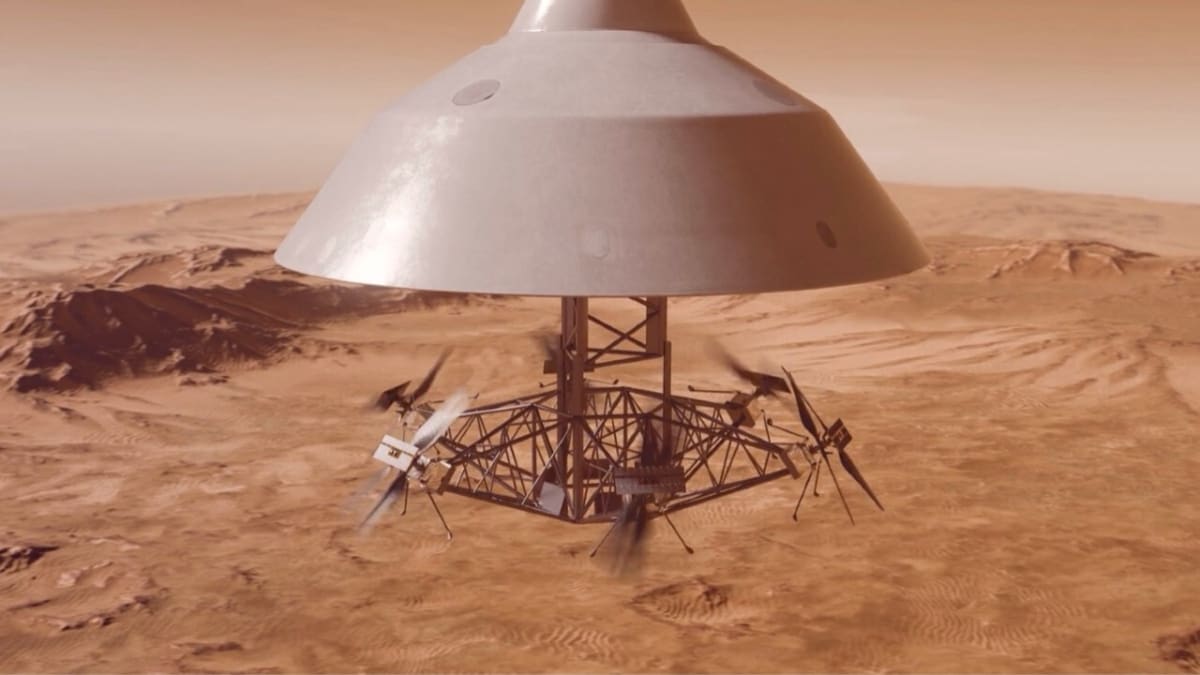
NASA just announced its first nuclear-powered interplanetary spacecraft will launch in 2028, carrying three helicopters to scout Mars for future human missions. This breakthrough technology could unlock exploration across our entire solar system.
NASA is making history with a spacecraft that runs on nuclear power, and it's heading to Mars with a fleet of tiny helicopters in just four years.
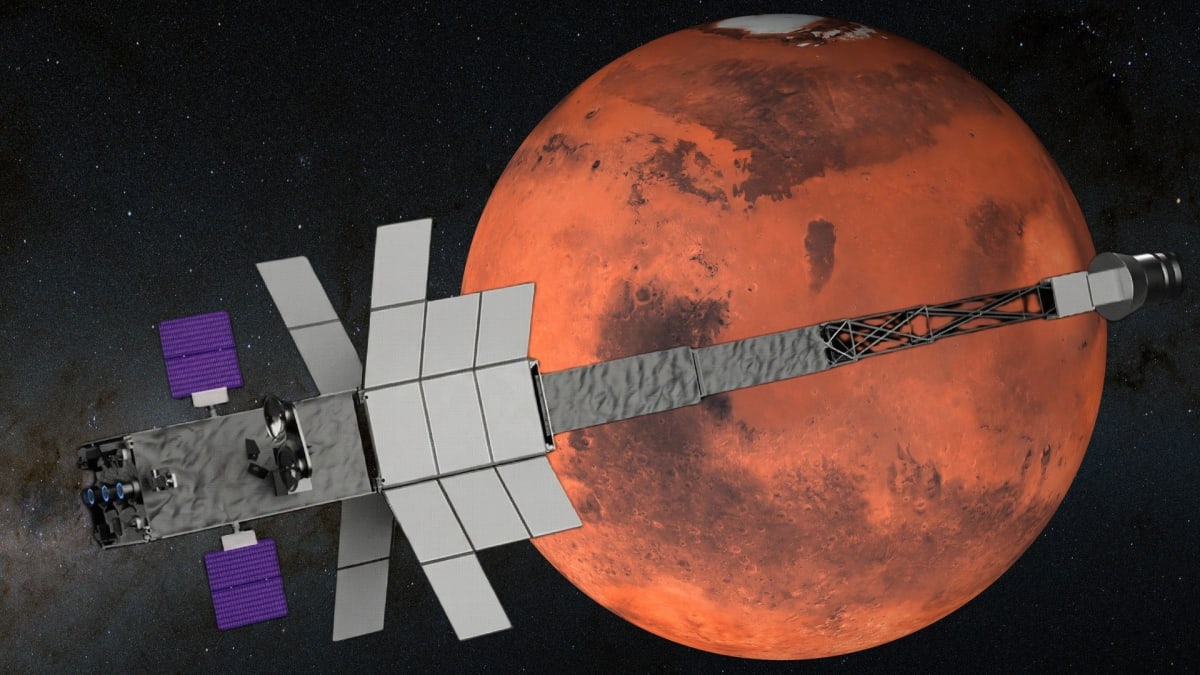
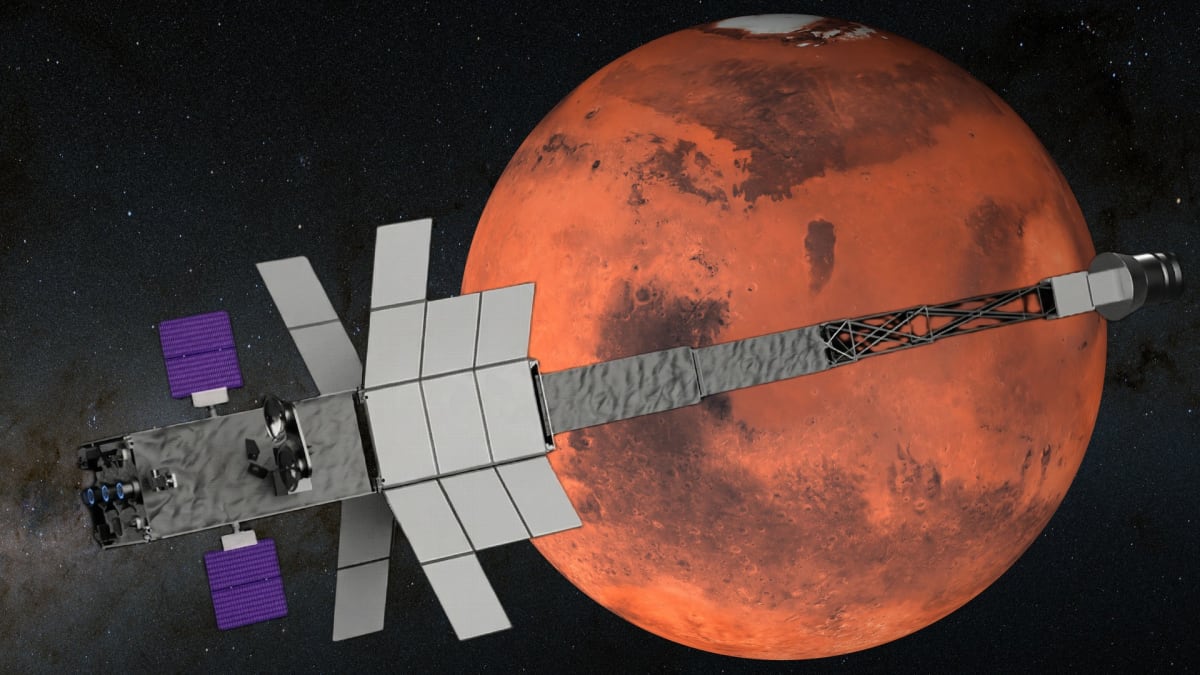
The space agency announced today that its Skyfall mission will launch in December 2028 aboard SR-1 Freedom, the first spacecraft ever to use nuclear electric propulsion for interplanetary travel. The mission will carry three small helicopters similar to Ingenuity, the little rotorcraft that stunned the world by flying 72 times on Mars between 2021 and 2024.
Unlike previous spacecraft that relied on solar panels or basic radioactive batteries, SR-1 Freedom uses an onboard nuclear reactor. It works like a nuclear power plant on Earth, generating electricity through controlled fission rather than just capturing heat from radioactive decay.
The helicopters aren't just for show. They'll scout potential landing sites for future human missions, using cameras and ground-penetrating radar to map hazards and locate underground water ice deposits. That water could be crucial for astronauts who one day call Mars home.
Steve Sinacore from NASA's Space Reactors Office says the helicopters will help assess whether their target area can support human exploration. They'll measure slopes, identify dangers for larger landers, and determine the size and depth of water ice beneath the surface.
Why This Inspires
This mission represents more than just cool robots on Mars. Nuclear electric propulsion works at any distance from the sun, unlike solar panels that grow weaker as spacecraft venture farther from our star. That means NASA can finally reach the outer solar system with more power and flexibility than ever before.
The technology could power moon bases through the Artemis program and enable missions to Jupiter's icy moons or Saturn's mysterious Titan. SR-1 Freedom will prove the technology works and establish regulatory precedent for future nuclear spacecraft.
If all goes according to plan, the mission will reach Mars about a year after launch in late 2029. NASA might even keep SR-1 Freedom flying deeper into the solar system after it drops off the helicopters, testing the limits of this revolutionary propulsion system.
The future of space exploration just got a nuclear boost.
More Images


Based on reporting by Google News - Science
This story was written by BrightWire based on verified news reports.
Spread the positivity!
Share this good news with someone who needs it