NASA Spacecraft Snaps Stunning Earth-Moon Portrait
A NASA spacecraft heading to Mars captured a beautiful family portrait of Earth and the Moon from nearly 600,000 miles away, revealing how our planet glows with warmth even in darkness. The images serve a practical purpose too, helping scientists calibrate their instruments before studying Mars.
One of NASA's Mars-bound spacecraft looked back home this month and captured something magical: Earth and the Moon together, glowing against the darkness of space.
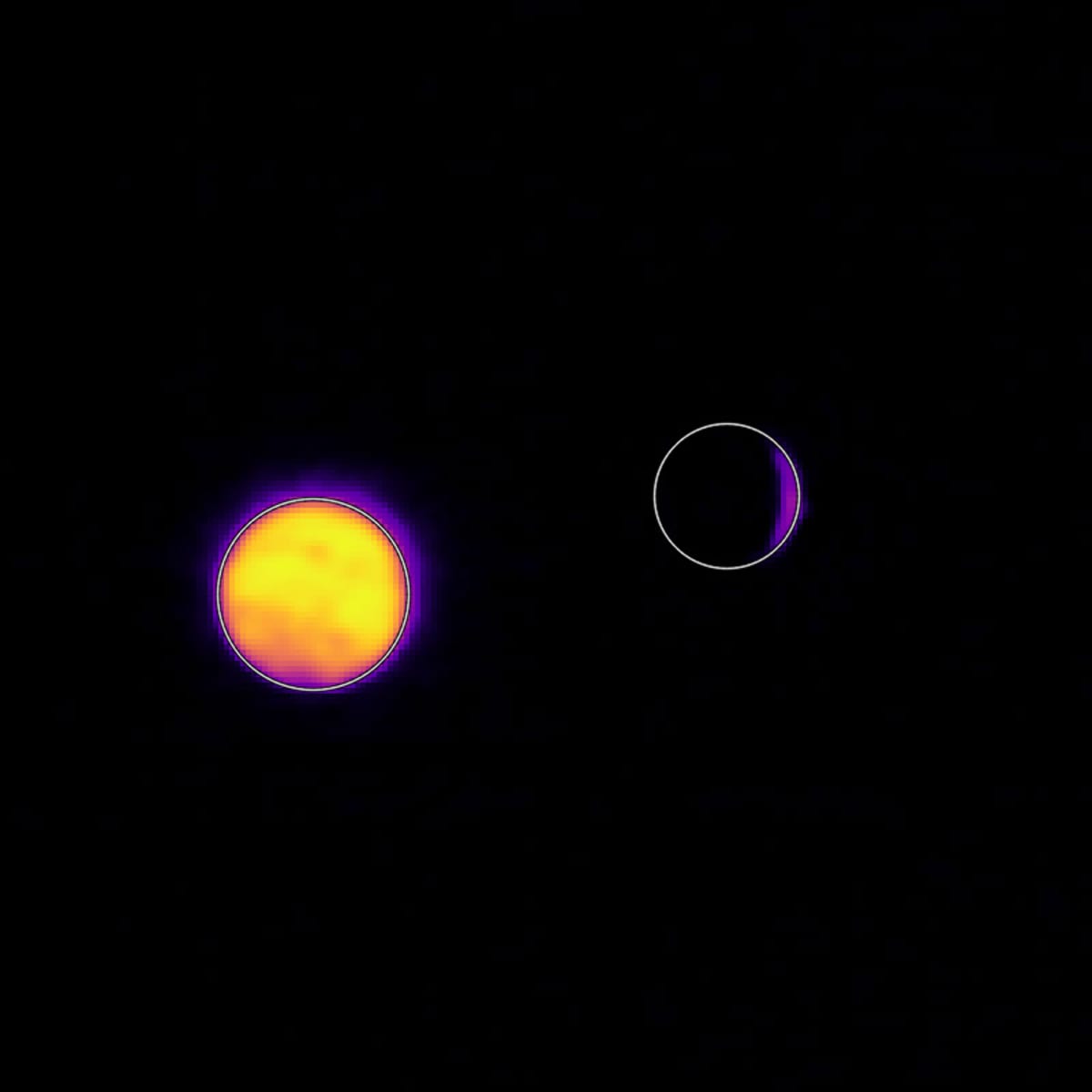
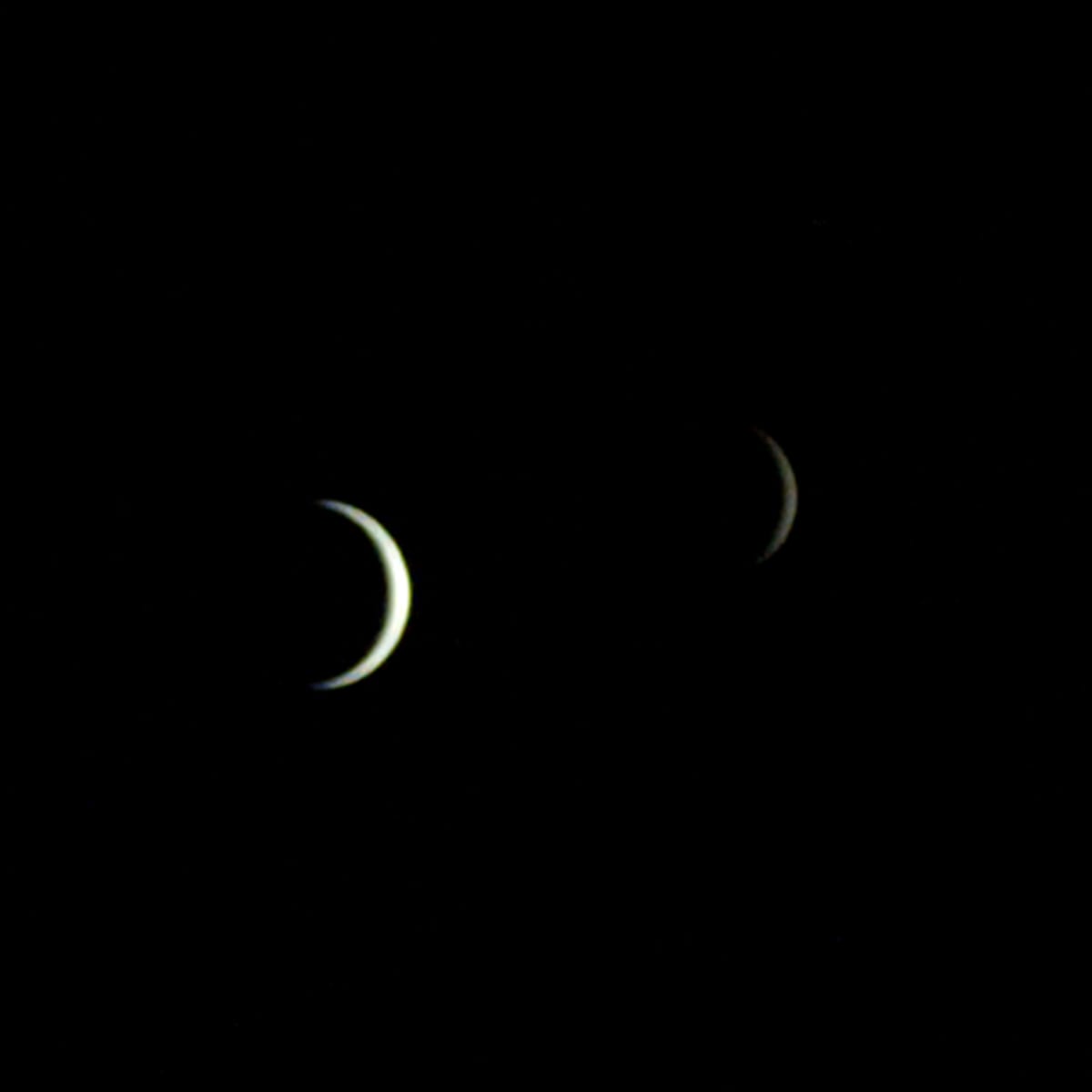
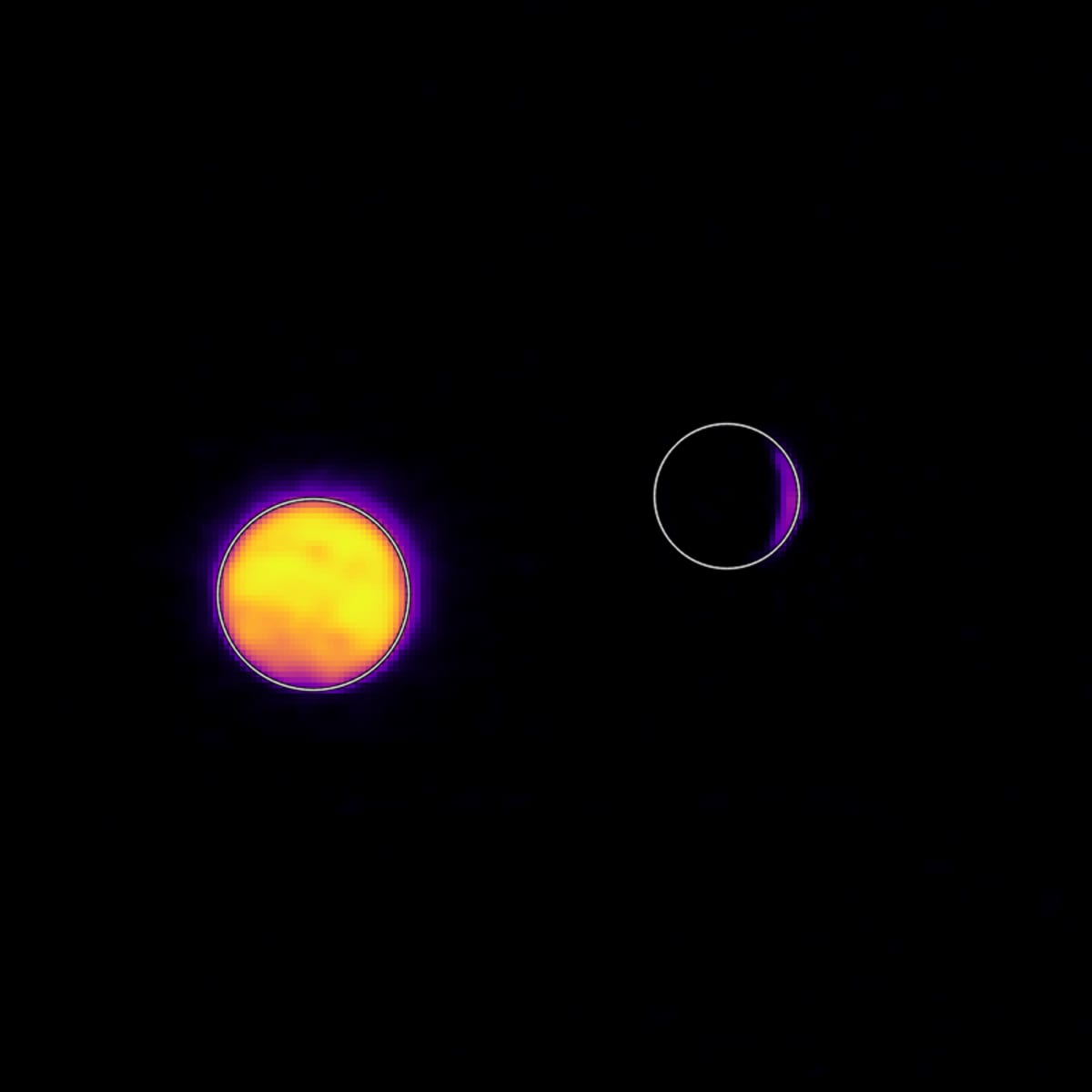
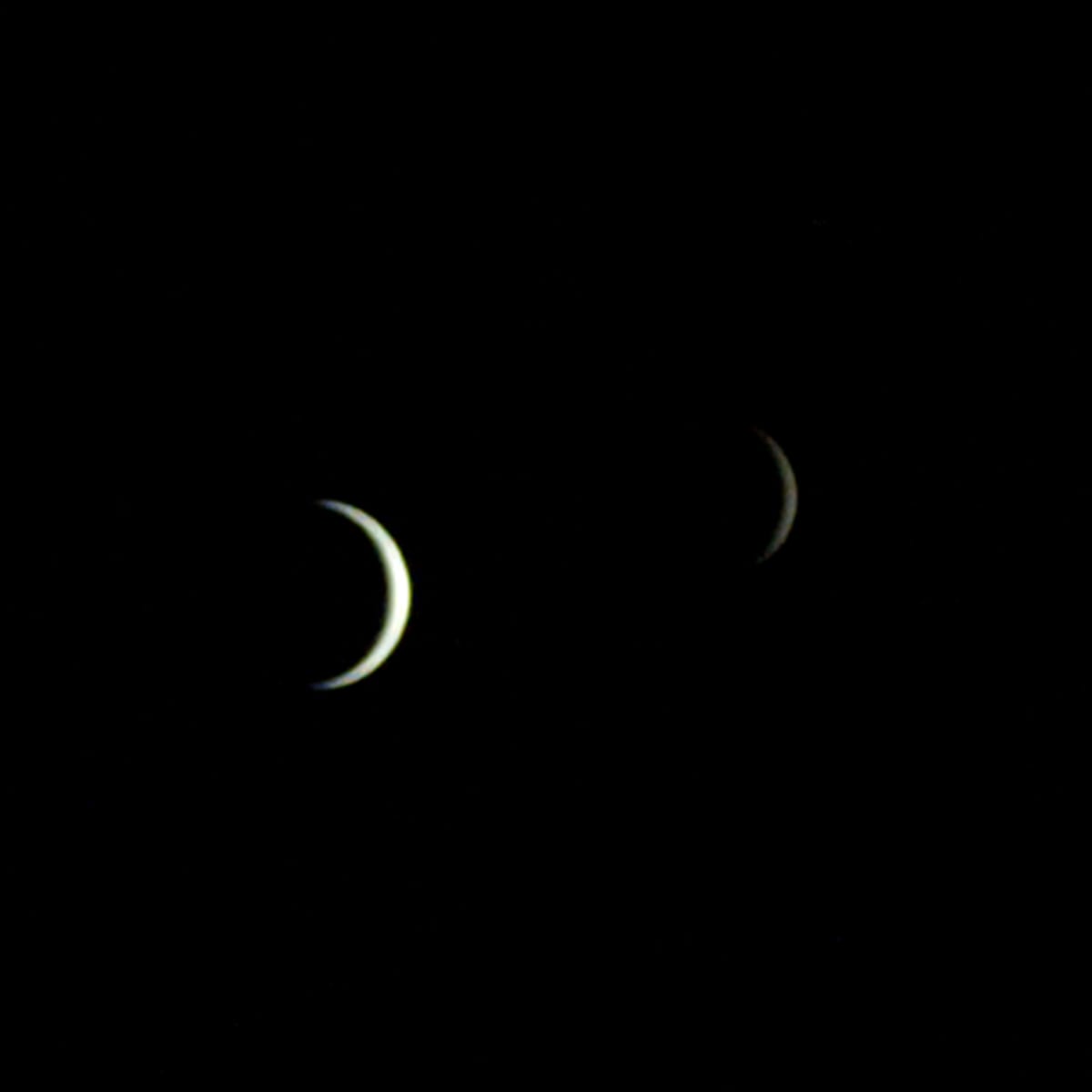
On July 3, the ESCAPADE spacecraft snapped photos of our home planet and its companion from 363,250 miles away. The visible light image shows both bodies as delicate crescents, with only 8% of their faces lit by the Sun.
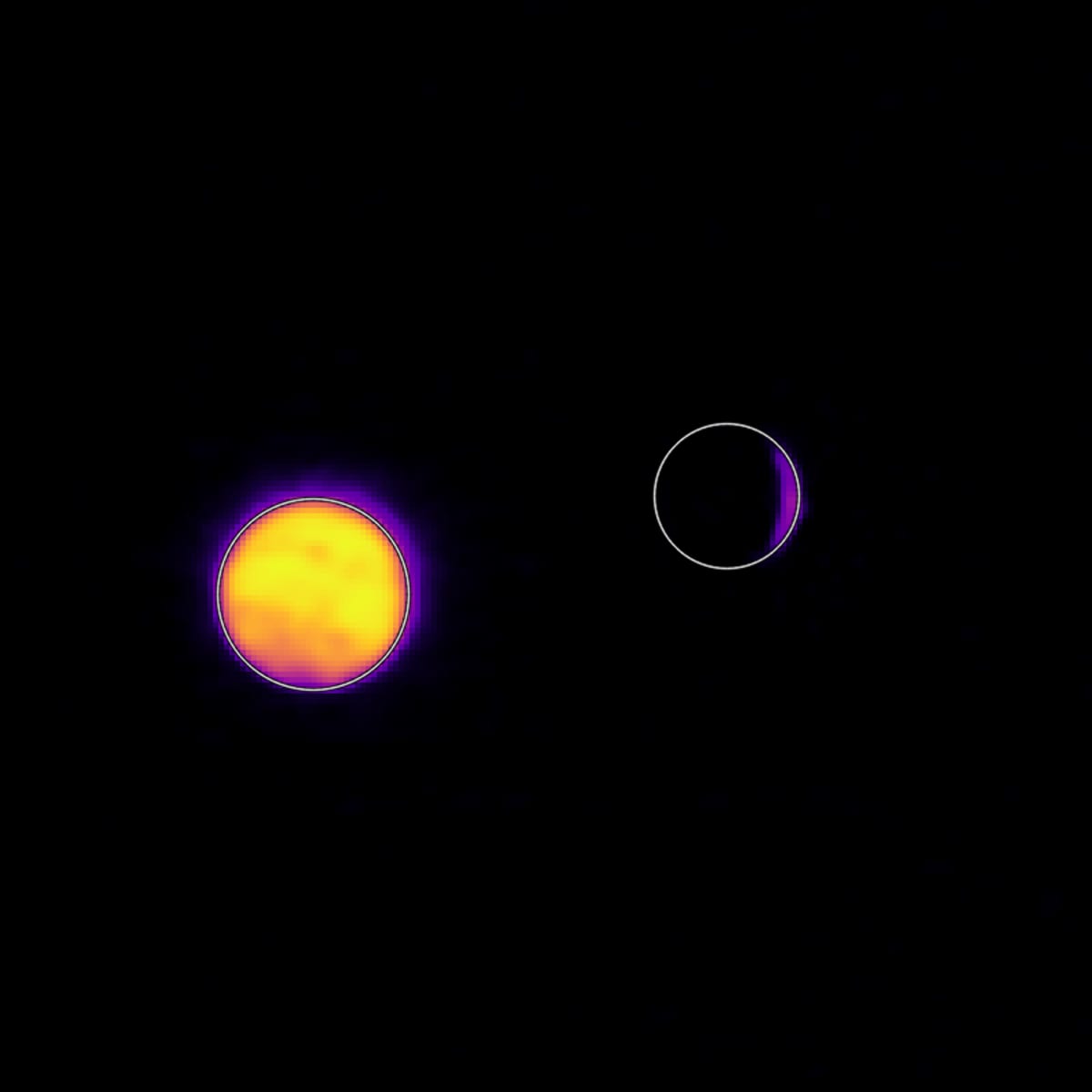
But the thermal infrared image reveals something wonderful. While the Moon's far side sits frozen at minus 280 degrees Fahrenheit, Earth's shadowed hemisphere glows with its own warmth, radiating heat from its atmosphere and surface at a much toastier minus 10 to minus 44 degrees.
The difference tells a beautiful story about our planet. Earth's blanket of oceans and atmosphere keeps it warm and alive, while the Moon, without that insulation, remains cold and barren.
ESCAPADE (short for Escape and Plasma Acceleration and Dynamics Explorers) captured these images using its Visible and Infrared Observation System cameras. The spacecraft is currently in orbit about a million miles from Earth, waiting for its November journey to Mars.
"We are thrilled that ESCAPADE was able to accommodate these excellent space-qualified cameras," said Rob Lillis, the mission's principal investigator at UC Berkeley. The images provide an important calibration check before the spacecraft reach Mars in September 2027.
Why This Inspires
This isn't just a pretty picture. When ESCAPADE arrives at Mars next year, these same cameras will search for Martian aurora and study the Red Planet's surface and atmosphere. The mission will help scientists understand how solar wind strips away Mars' atmosphere, potentially explaining how the once-warm planet became the cold desert we see today.
The twin spacecraft will study how a million-mile-per-hour stream of material flowing from the Sun interacts with Mars. Understanding this process could reveal why Mars lost the thick atmosphere that might have once supported water and perhaps life.
These images remind us that space exploration isn't just about distant worlds. Sometimes the most profound discoveries come from looking back at home and seeing Earth's precious warmth glowing in the cosmic darkness.
More Images
Based on reporting by NASA
This story was written by BrightWire based on verified news reports.
Spread the positivity!
Share this good news with someone who needs it