NASA Streams Total Solar Eclipse Live on August 12
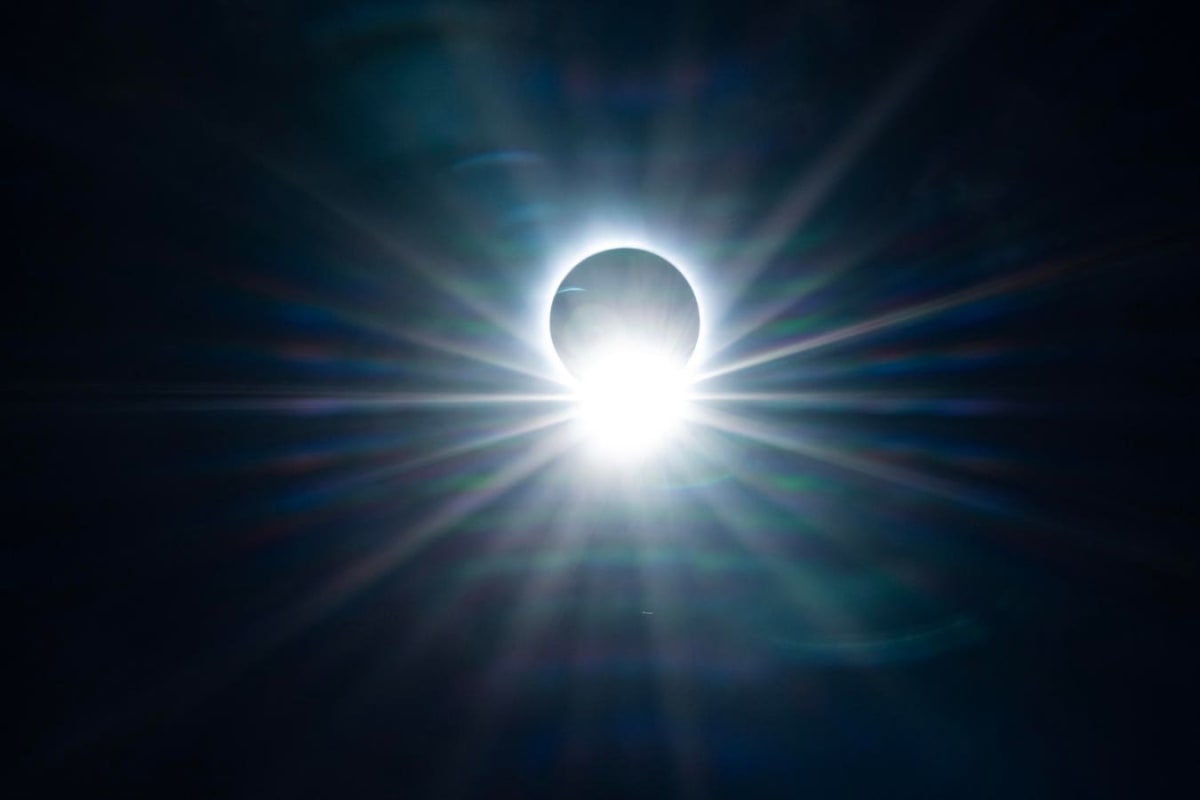
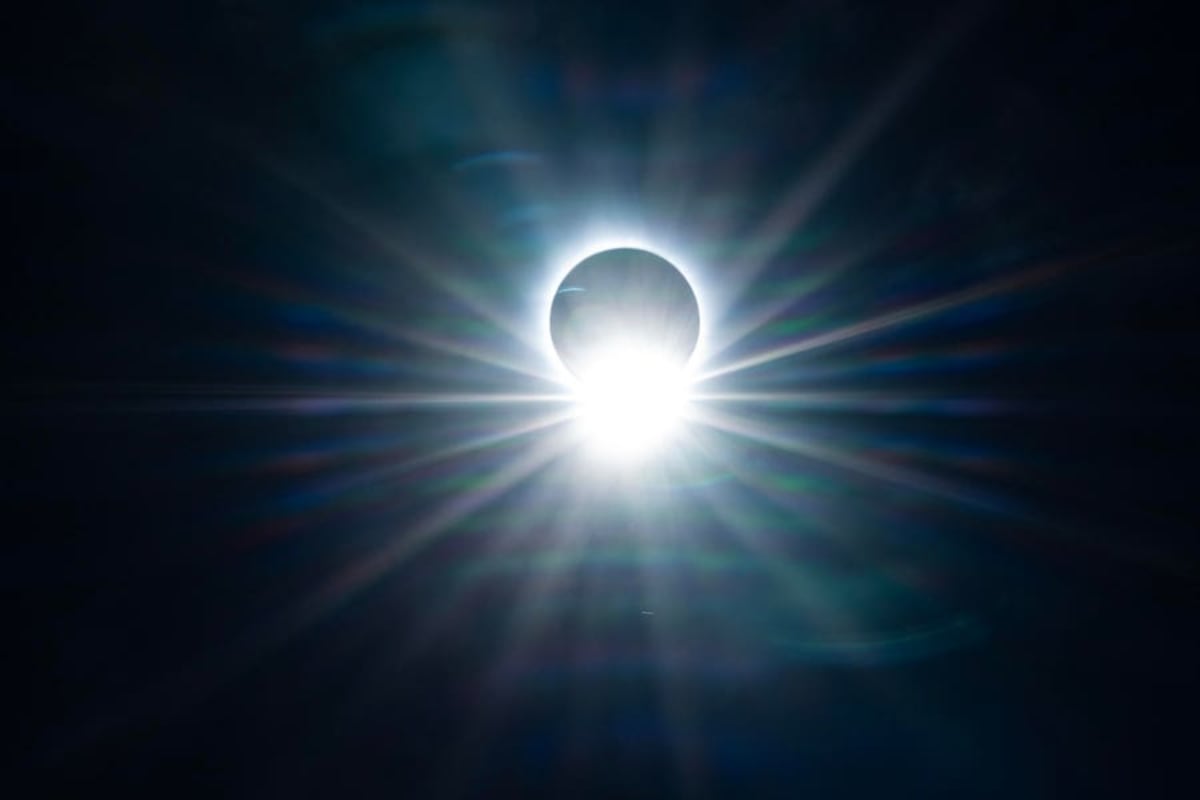
On August 12, millions will witness a total solar eclipse as NASA streams nature's most breathtaking sky show live from Europe. Even North America gets a treat with a partial eclipse followed by the year's best meteor shower.
Imagine standing under an open sky as day turns to night in seconds, the sun's glowing corona suddenly visible to your naked eyes. That powerful moment is coming to millions on August 12, and NASA wants the whole world to watch.
Two years after North America's unforgettable 2024 eclipse, the moon's shadow returns. This time it sweeps across Greenland, Iceland, the Atlantic Ocean, Spain, and Portugal, creating up to 2 minutes and 18 seconds of totality for lucky viewers in the path.
NASA released a powerful trailer showcasing real reactions from eclipse watchers. "There is no other feeling like it," says one viewer. "I burst into tears," shares another. These aren't scientists speaking, just everyday people describing what many call a life-changing experience.
The space agency begins streaming at 1:15 p.m. EDT on August 12 across multiple platforms. Totality reaches Iceland at 1:45 p.m. EDT before arriving in Spain at 2:28 p.m. EDT, where millions of eclipse chasers are expected to gather. The European Space Agency will also broadcast from Spain's Observatorio Astrofísico de Javalambre, featuring scientists and special guests exploring the science behind this celestial wonder.
North America might miss totality, but the show isn't over. A partial solar eclipse will be visible from Alaska to North Carolina, covering 26 U.S. states and every Canadian province. Northern Maine will see 28 percent coverage, while Nunavut witnesses an impressive 61 percent.
The Bright Side
The timing couldn't be more perfect for sky watchers. Just hours after the eclipse, the Perseid meteor shower peaks under almost moonless skies. Between 2:00 a.m. and 4:00 a.m. local time on August 13, observers in dark locations could see 60 to 100 meteors per hour, including brilliant fireballs.
San Francisco's California Academy of Sciences and the SETI Institute are hosting a special event combining live eclipse coverage with scientific discussions and unique performances. Even far from the path of totality, communities are gathering to share in the wonder.
The emotional power of eclipses transcends borders and backgrounds. Eclipse chasers describe feeling "syzygy," the profound sensation of alignment between the sun, moon, and yourself. It's that moment when our place in the solar system becomes beautifully, overwhelmingly real.
For those watching the livestream or stepping outside to see the partial eclipse, remember to use certified solar eclipse glasses. The sun's bright face can damage eyes instantly, except during the brief moments of totality when the moon completely blocks it.
Whether you're streaming from your couch or standing under open skies, August 12 offers a chance to witness something extraordinary together.
More Images

Based on reporting by Google News - Science
This story was written by BrightWire based on verified news reports.
Spread the positivity!
Share this good news with someone who needs it