NASA Targets 2028 for Nuclear-Powered Mars Mission
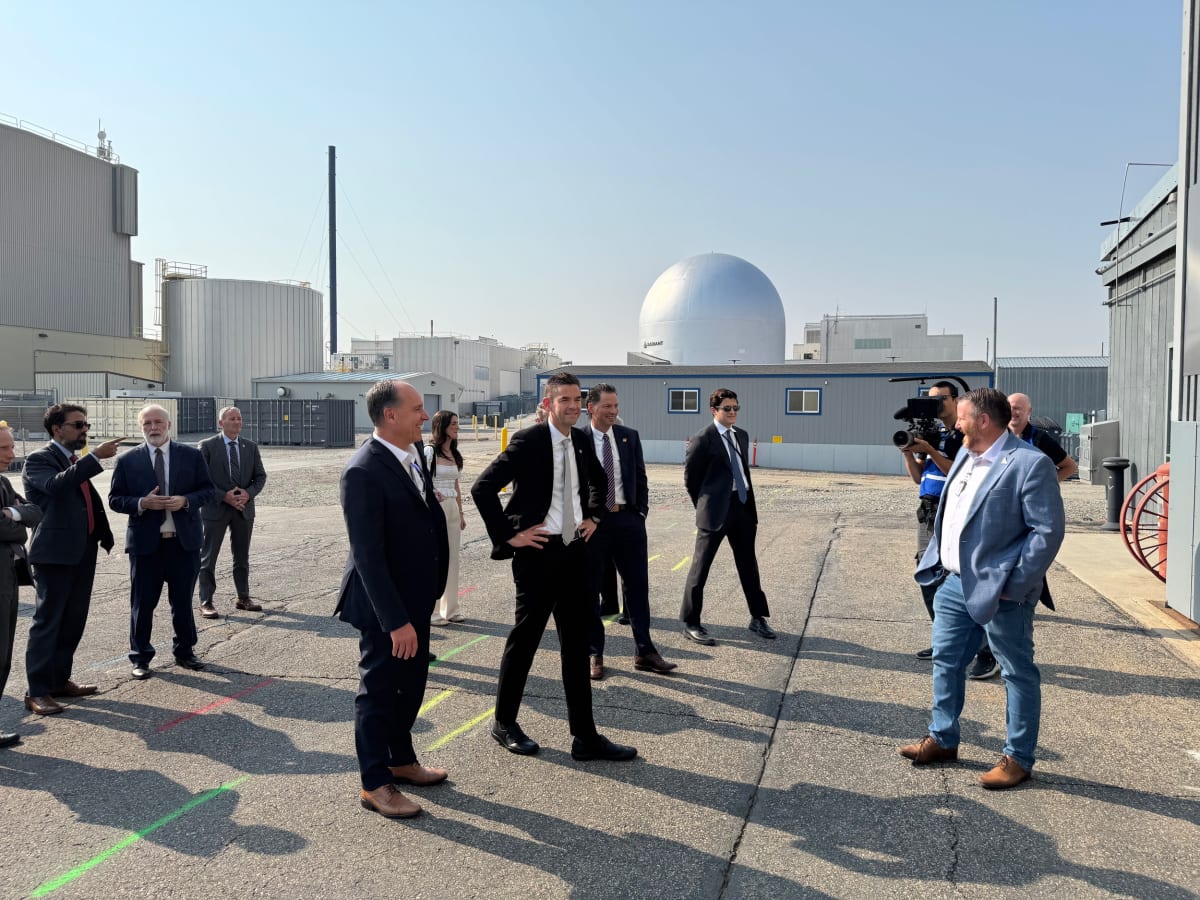
NASA is preparing to launch its first nuclear-powered spacecraft to Mars by late 2028, marking a giant leap toward future crewed missions to the Red Planet. After touring Idaho National Laboratory, NASA Administrator Jared Isaacman expressed confidence the ambitious timeline is achievable.
NASA just took a major step toward making crewed Mars missions a reality, and it could happen sooner than you think.
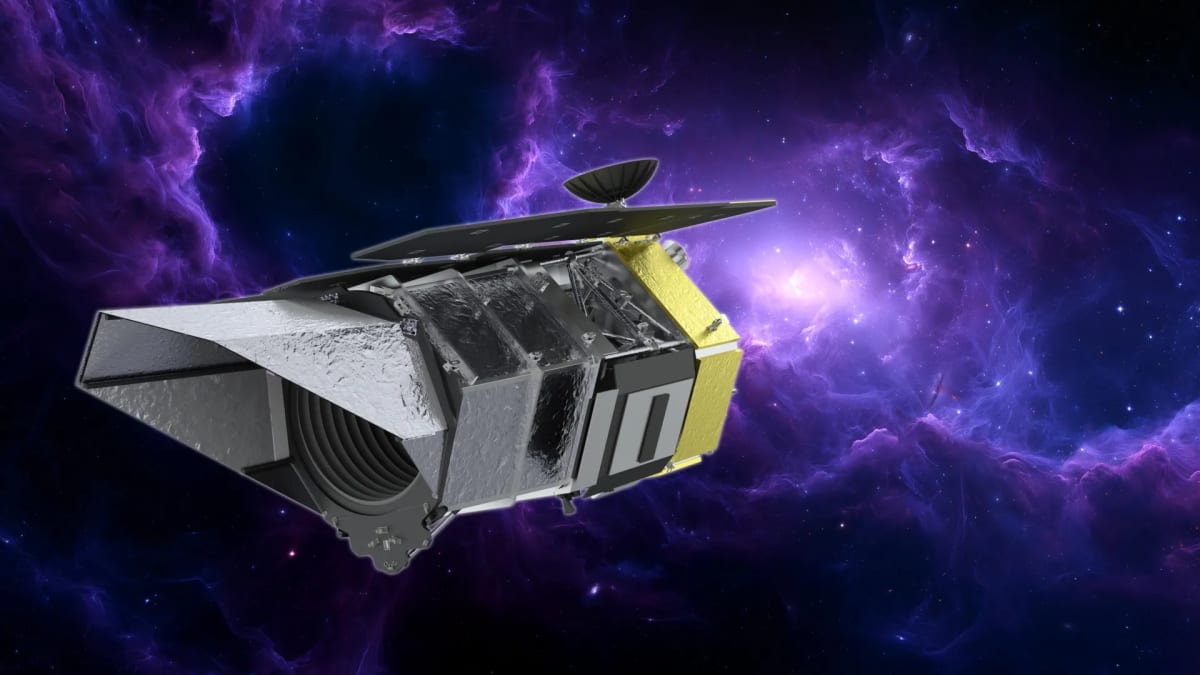
The space agency is building Space Reactor 1 Freedom, a groundbreaking mission that will use nuclear power to propel a spacecraft all the way to Mars. NASA Administrator Jared Isaacman visited Idaho National Laboratory in August to check on progress, and what he saw made him "absolutely" confident they can launch by December 2028.
Think of it as America's space equivalent to the USS Nautilus, the first nuclear-powered submarine. "This is our Nautilus," Isaacman told employees and guests at the lab. "What should follow is an agencywide Apollo-like endeavor."
Here's how it works: The mission will carry a 20-kilowatt nuclear reactor that powers an electric propulsion system originally designed for NASA's lunar Gateway station. Once at Mars, the spacecraft will deploy SkyFall, a set of helicopters modeled after Ingenuity, the tiny rotorcraft that wowed the world flying on Mars alongside the Perseverance rover.
The reactor design comes from Idaho National Laboratory's VALKRE project, which stands for Versatile Autonomous Lightweight Kilowatt-class Reactor Experiment. Engineers recently completed a major design review, examining how all the major pieces fit together.
NASA is now modifying an existing spacecraft called the Power and Propulsion Element for the mission. "Procurements are hitting the street for the major components, and so we're making really good progress," said Steve Sinacore, NASA's program director for the mission.
The biggest challenge isn't the technology itself but getting all the parts on time. Multiple companies are racing to build small nuclear reactors, and they all need some of the same components. "The biggest challenge is making sure that we can get all the pieces and parts made in time," said Sebastian Corbisiero, who leads the Department of Energy's Space Reactor Program.
Still, engineers believe the aggressive schedule is achievable. The reactor needs to be finished by spring 2028 to make the December launch window. Justin Coleman from Idaho National Laboratory pointed to recent progress by commercial nuclear startups as proof. "I think that shows it's possible, and there is a supply chain that we can pull from to make that happen."
The Ripple Effect
This mission represents more than just a cool robot trip to Mars. Success here paves the way for something far more ambitious: sending humans to Mars and bringing them home safely.
Isaacman envisions a series of Space Reactor missions, each one incorporating newer technology and building toward crewed flights. He calls it a "third space race" following the original moon race of the 1960s and today's push to return astronauts to lunar soil.
The mission carries a $2.1 billion price tag, but it could unlock capabilities that transform deep space exploration. Nuclear propulsion offers far more power than solar panels, especially in the outer solar system where sunlight grows dim.
Teams across government labs and private companies are moving fast to turn this vision into reality, proving that humanity's next giant leap might be closer than we imagined.
More Images



Based on reporting by SpaceNews
This story was written by BrightWire based on verified news reports.
Spread the positivity!
Share this good news with someone who needs it