NASA Telescope Could Run 22 Years on Fuel Meant for 10
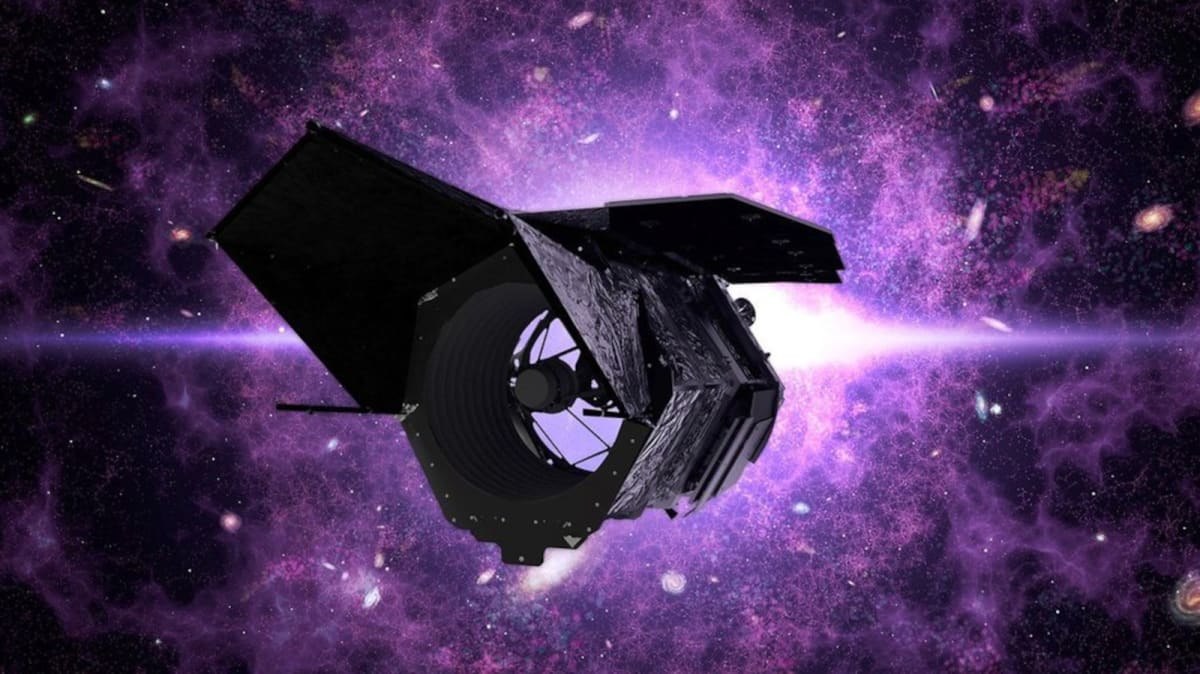
NASA's Roman Space Telescope just turned careful planning into a bonus decade of stargazing. Its first course correction used only 18 kilograms of the 200 kilograms budgeted, opening the door to 12 extra years of discovery.
NASA's Nancy Grace Roman Space Telescope just proved that sometimes the best surprise is barely needing any fuel at all.
The observatory launched aboard a SpaceX Falcon Heavy on August 30, heading toward its observation post 1.5 million kilometers from Earth. Mission planners had set aside 200 kilograms of propellant for the first mid-course correction, a conservative budget designed to handle worst-case scenarios during the delicate journey.
On August 31, Roman fired its thrusters and used just 18 kilograms. The maneuver hit its target with better than 99 percent accuracy, leaving 182 kilograms that engineers thought they might need still sitting in the tanks.
That single efficient burn just converted engineering caution into scientific opportunity. NASA now estimates Roman could operate for at least 22 years instead of the original 10-year fuel plan.
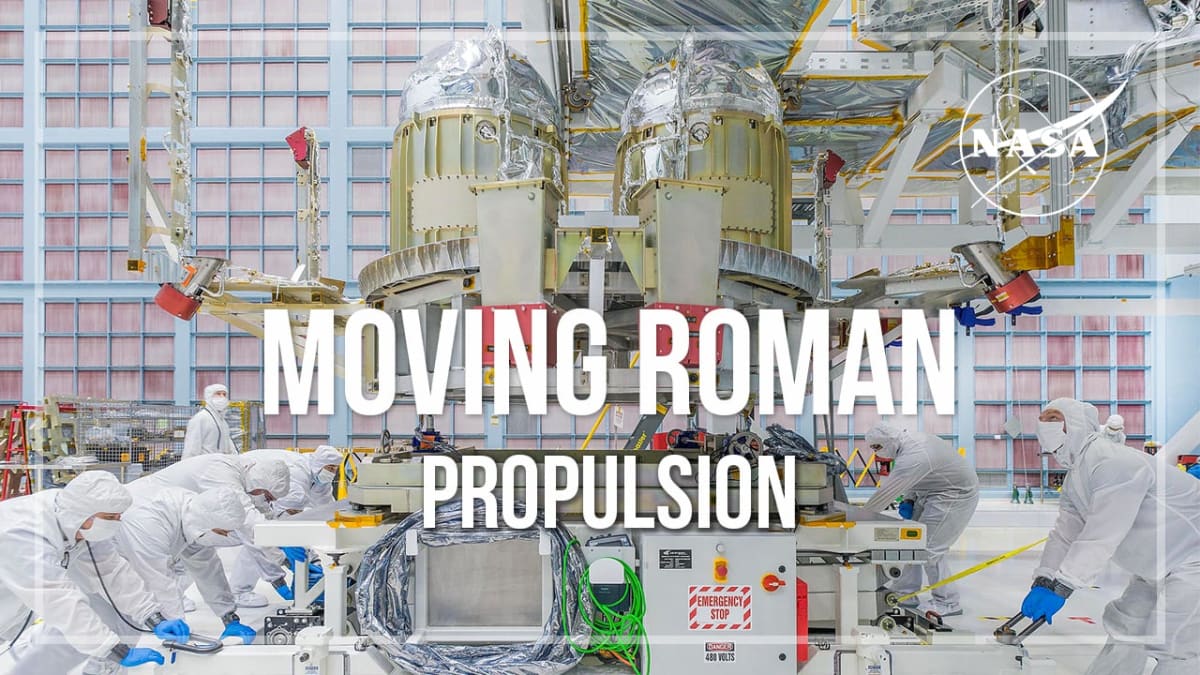
The savings didn't come from one lucky maneuver alone. Before launch, technicians discovered the completed telescope weighed 1,744 kilograms less than the maximum mass they'd planned for, so they topped off the fuel tanks instead of loading just the bare minimum. That lighter weight also means every future burn will use less propellant to achieve the same result.
Because Roman is now tracking so precisely toward its destination, the second course correction will be tiny. Engineers expect the final insertion into orbit around the Sun-Earth L2 point in early December will also consume less fuel than originally allocated.
The Bright Side
Those 12 potential bonus years represent thousands of additional observations Roman could make. The telescope will hunt for distant planets, map dark matter across the universe, and peer back toward the cosmic dawn when the first galaxies formed.
The extended timeline also gives scientists more flexibility. Roman can spend extra time on unexpected discoveries or revisit targets as new questions emerge from earlier observations.
The telescope still needs to complete its commissioning process, where engineers will activate and calibrate its 300-megapixel Wide Field Instrument and advanced Coronagraph. But the fuel cushion means one major uncertainty about Roman's future just became a confidence booster.
Smart engineering created margin for the unknown, and careful execution is turning that margin into extra science.
More Images


Based on reporting by Google News - Science
This story was written by BrightWire based on verified news reports.
Spread the positivity!
Share this good news with someone who needs it