NASA Telescope Doubles Lifespan Before Reaching Destination
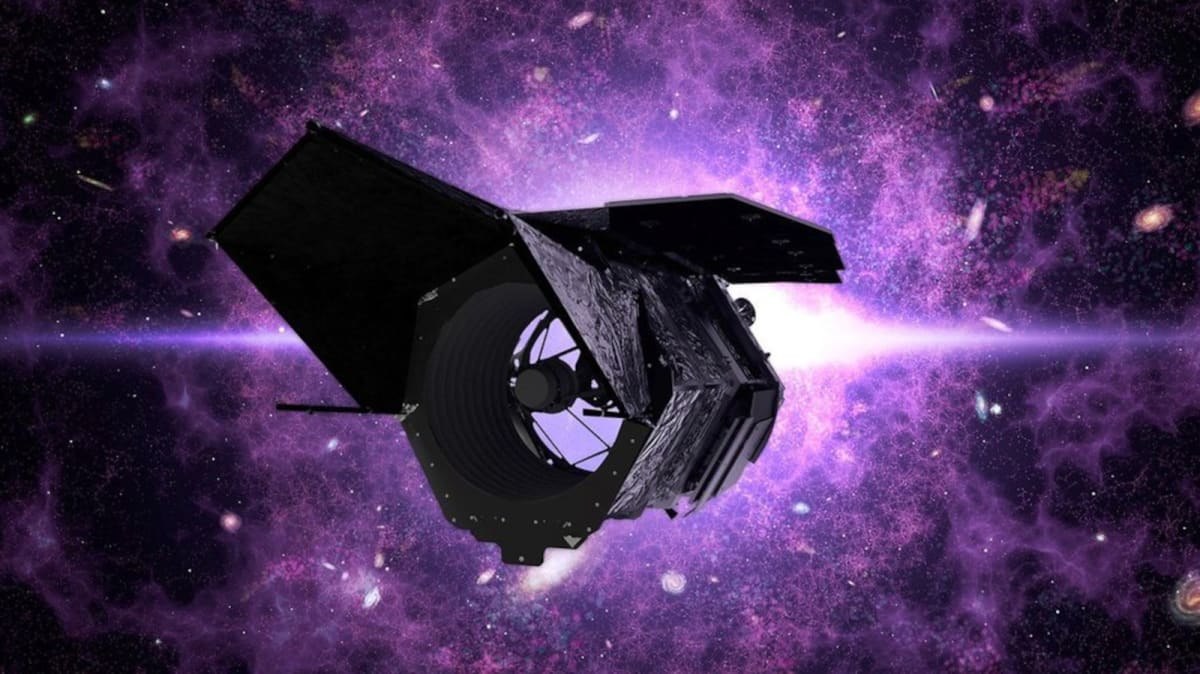
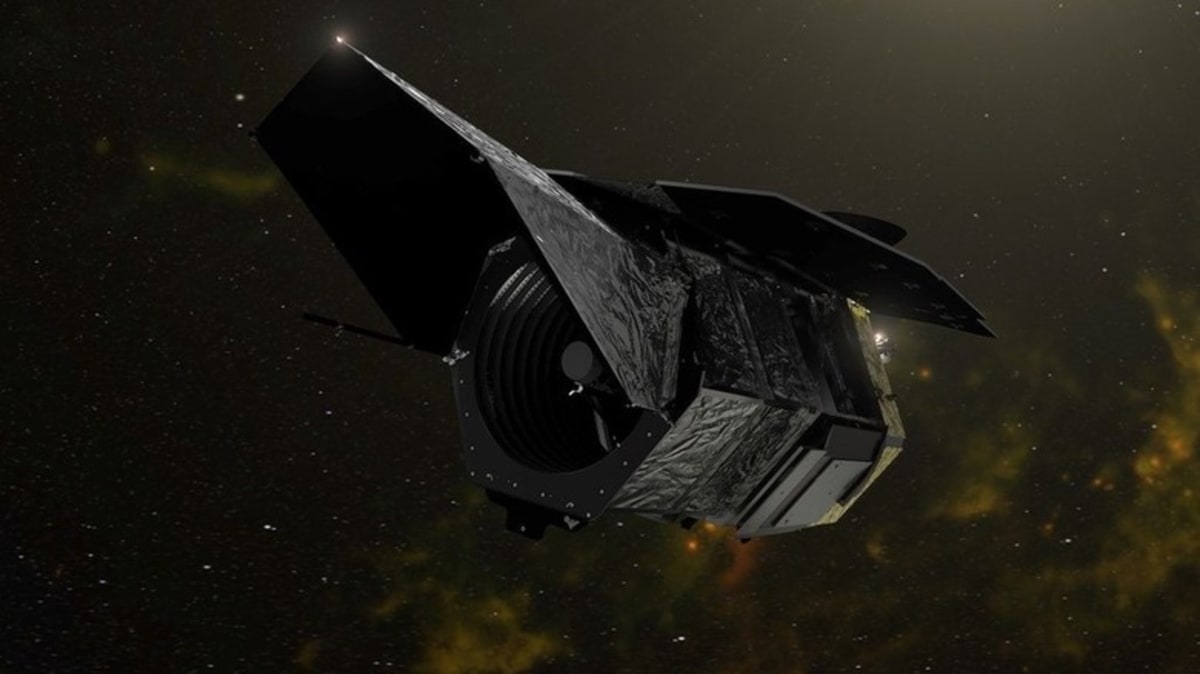
The Nancy Grace Roman Space Telescope hasn't even arrived at its final post yet, but stellar engineering has already extended its mission from 10 years to 22. NASA's team nailed the spacecraft's trajectory so perfectly that they saved enough fuel to unlock 12 bonus years of discovering new galaxies.
Sometimes doing your job really, really well pays off in ways you never imagined.
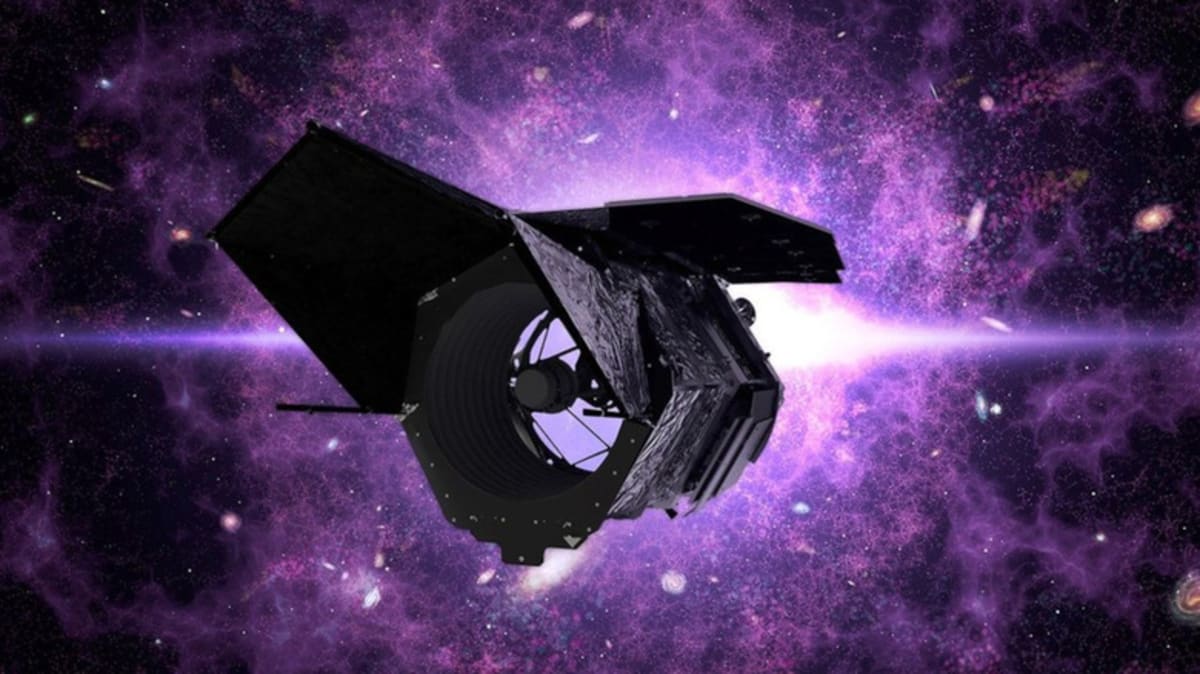
NASA's Nancy Grace Roman Space Telescope launched on August 30th and is currently traveling to a spot 1.5 million miles from Earth called Lagrange Point 2. The team just announced that perfect execution has more than doubled the telescope's expected lifespan from 10 years to 22 years.
The secret? NASA's ground team absolutely nailed their first trajectory burn. When spacecraft fire their engines to adjust course, things can go wrong, so mission planners always budget extra fuel for mistakes and corrections. Roman's team planned to use 441 pounds of fuel to reach its destination.
They used just 40 pounds. That's less than 10% of the fuel budget for a maneuver that went so smoothly, it eliminated most of the need for future correction burns.
The Ripple Effect
That single perfect burn created a cascade of wins. The second scheduled burn will now be much smaller than planned since Roman is already on such a precise path. The final parking maneuvers will also need less fuel. Those savings alone added four years to the mission.
But NASA had been holding back a secret advantage all along. The engineering team built Roman so efficiently that it came in 4,000 pounds lighter than the original design specifications. That meant they could completely fill the fuel tank instead of the partial fill originally planned, adding another four years of discovery time.
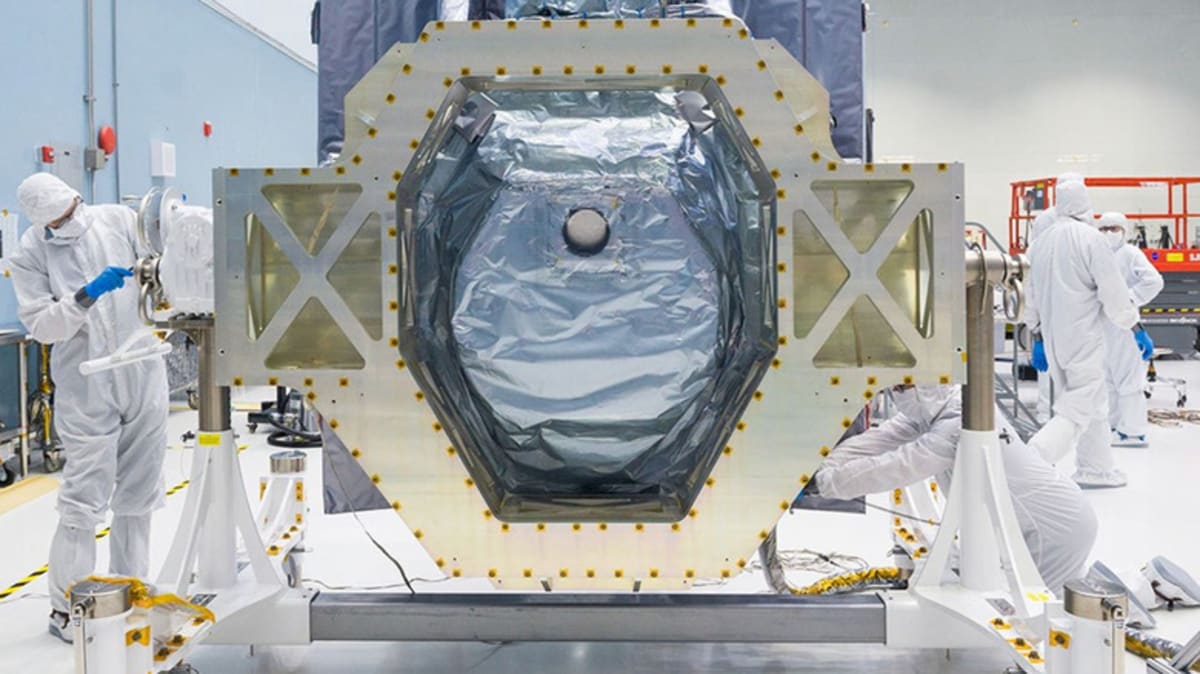
The timing couldn't be better because Roman's Wide Field Instrument just powered on successfully. This camera will photograph areas 200 times larger than the legendary Hubble Space Telescope can capture. NASA expects Roman to image more sky in five years than Hubble managed in 30 years.
While the neighboring James Webb Space Telescope takes detailed close-ups of known objects, Roman will sweep the cosmos looking for things we've never seen before. Billions of new galaxies. Undiscovered worlds. Maybe even phenomena scientists haven't theorized yet.
The spacecraft had to warm its detectors to 85 degrees Fahrenheit to evaporate any lingering water or chemicals, then cool them down to minus 300 degrees Fahrenheit for operation. Everything worked perfectly.
Roman should reach its final position late this year or early next year. Then comes 22 years of discovering more about our universe faster than humanity ever has before.
More Images

Based on reporting by Google News - Science
This story was written by BrightWire based on verified news reports.
Spread the positivity!
Share this good news with someone who needs it