NASA Telescope Gains 12 Extra Years From Perfect Launch
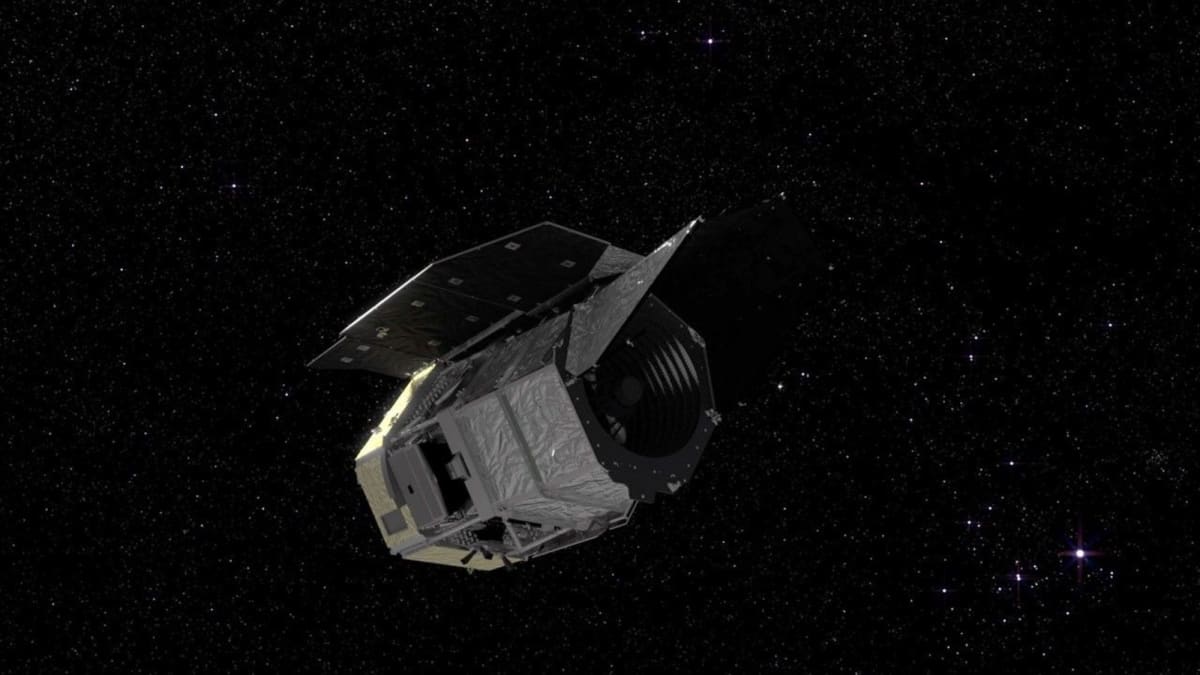
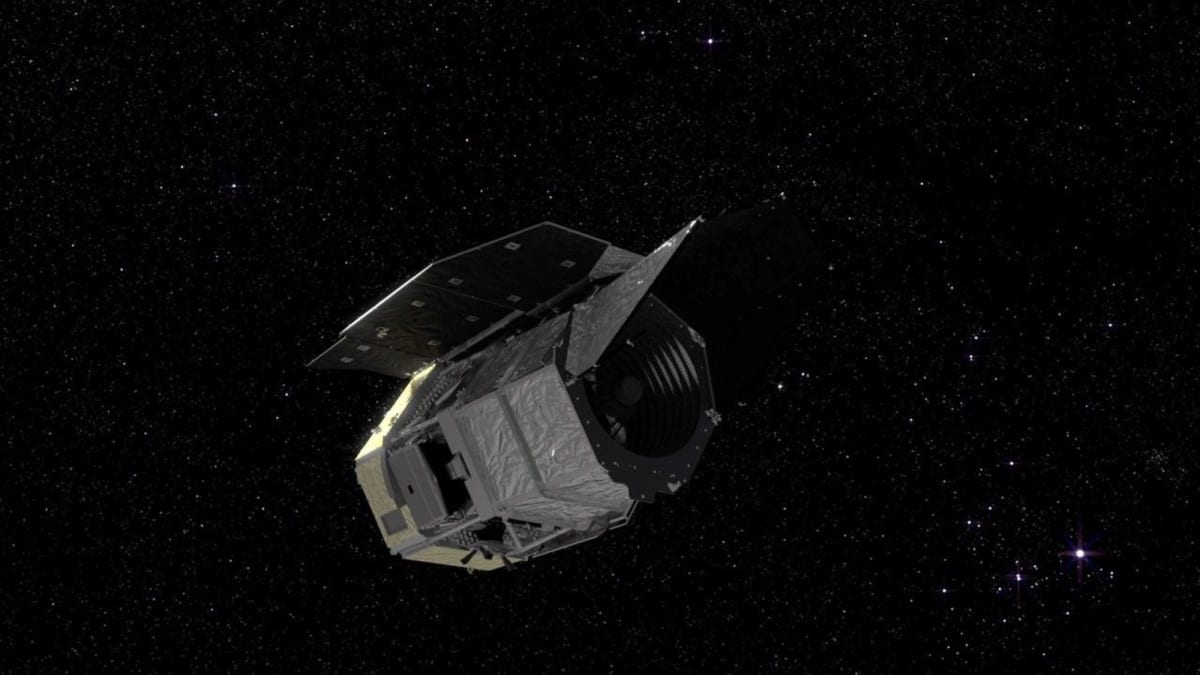
A super-precise engine burn and smart fuel planning just gave NASA's Roman Space Telescope enough fuel for 22 years of exploring the universe instead of 10. The spacecraft is now set to make discoveries all the way to 2048.
NASA's newest space telescope just got a massive life extension thanks to brilliant teamwork and a little bit of good fortune.
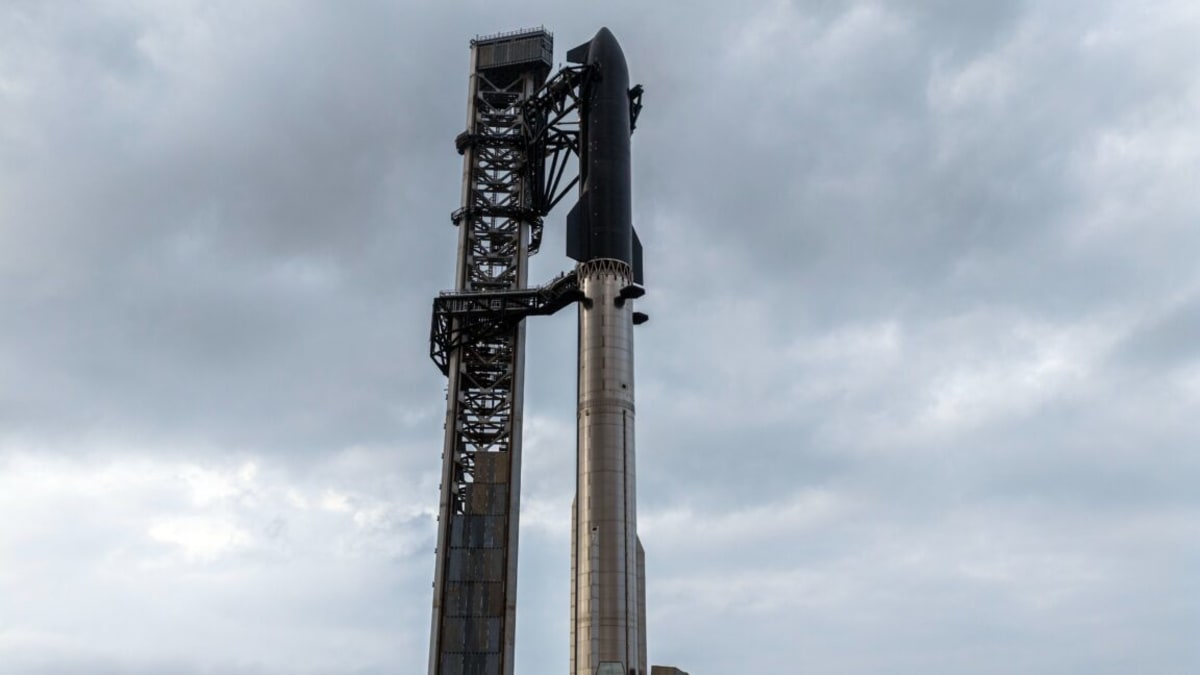
The Nancy Grace Roman Space Telescope launched on August 30 and needed to fire its engine to reach its final destination. That three-minute burn went so perfectly that it used less than 10% of the fuel NASA had set aside for it, buying the mission an extra 12 years of life.
"As a result of exquisite planning by our orbital dynamics team, brilliant execution by the operations team, and a precise launch from SpaceX, Roman has fuel for at least 22 years of potential science operations," said Jamie Dunn, center director at NASA's Goddard Space Flight Center. Originally, scientists hoped for just 10 years total.
The good news actually started before launch. NASA engineers designed the spacecraft to handle a maximum weight of 21,605 pounds, but the finished telescope came in lighter at 17,760 pounds. That meant extra room for more fuel in the tanks.
The team filled those tanks to capacity rather than stopping at the minimum needed. That decision alone added four years to the mission.
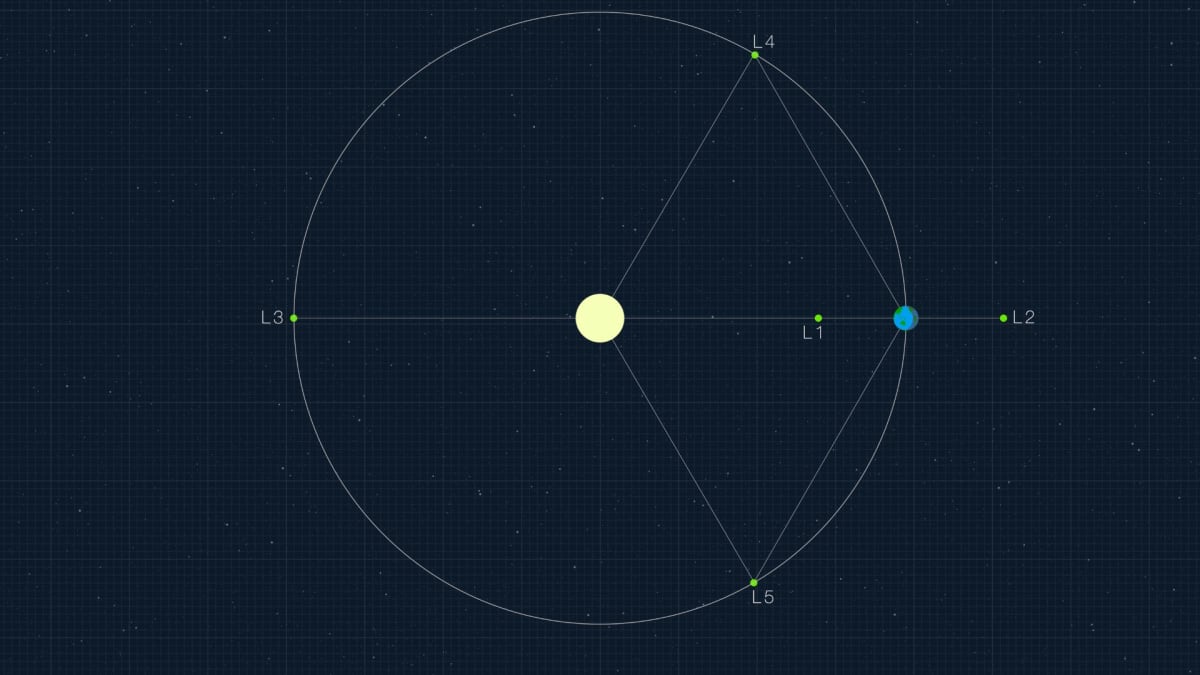
Then on August 31, just one day after launch, Roman fired its engine to begin the journey to L2, a special point in space where it will orbit alongside the James Webb Space Telescope. The burn was so accurate that it hit 99% precision, using only 40 pounds of fuel instead of the 441 pounds budgeted.
That incredible precision means the second course correction in December will also need much less fuel than planned. Combined, these efficient burns added another eight years to Roman's lifespan.
The Ripple Effect
For the next two decades, Roman will hunt for exoplanets that could harbor life and measure dark energy to help us understand how the universe works. Every extra year means more potential discoveries about planets beyond our solar system and the mysterious forces shaping our cosmos.
The spacecraft's extended mission shows what's possible when precise engineering meets careful planning. Once Roman reaches L2 in December, it will only need tiny engine burns every 28 days to stay in position, using barely any fuel at all.
Instead of wrapping up in 2034, Roman could now be making groundbreaking discoveries all the way to 2048, giving an entire new generation of scientists the chance to explore the universe.
More Images

Based on reporting by Space.com
This story was written by BrightWire based on verified news reports.
Spread the positivity!
Share this good news with someone who needs it