NASA Tests 'Gas Station in Space' Tech This Summer
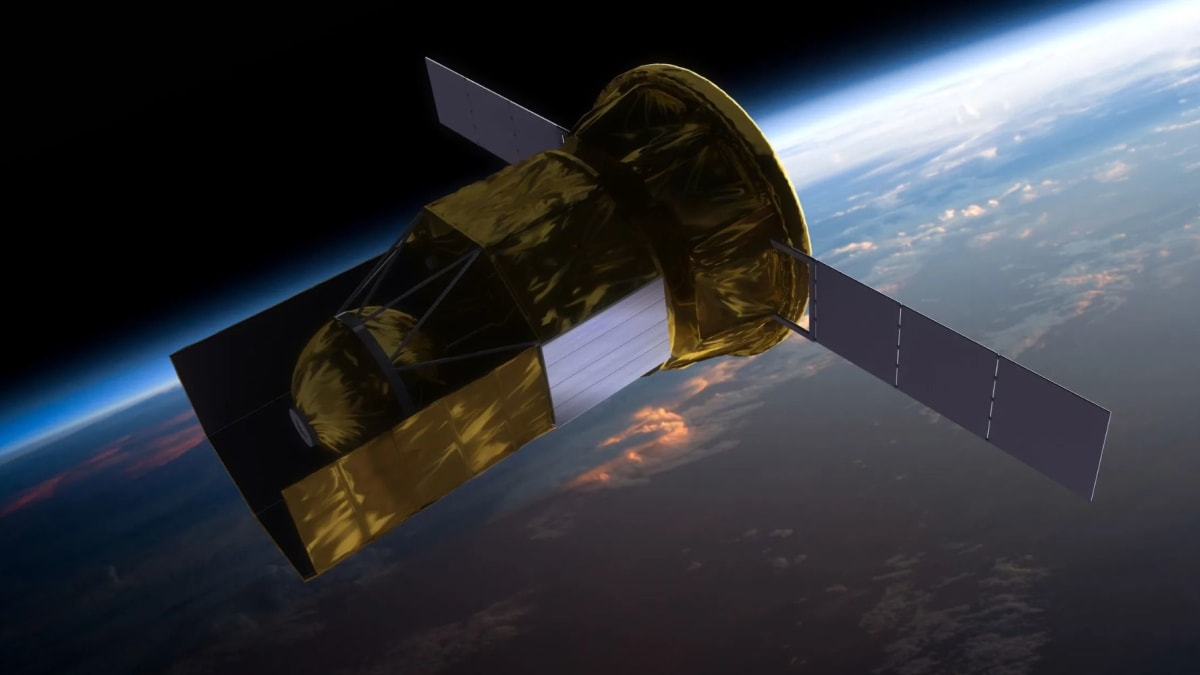
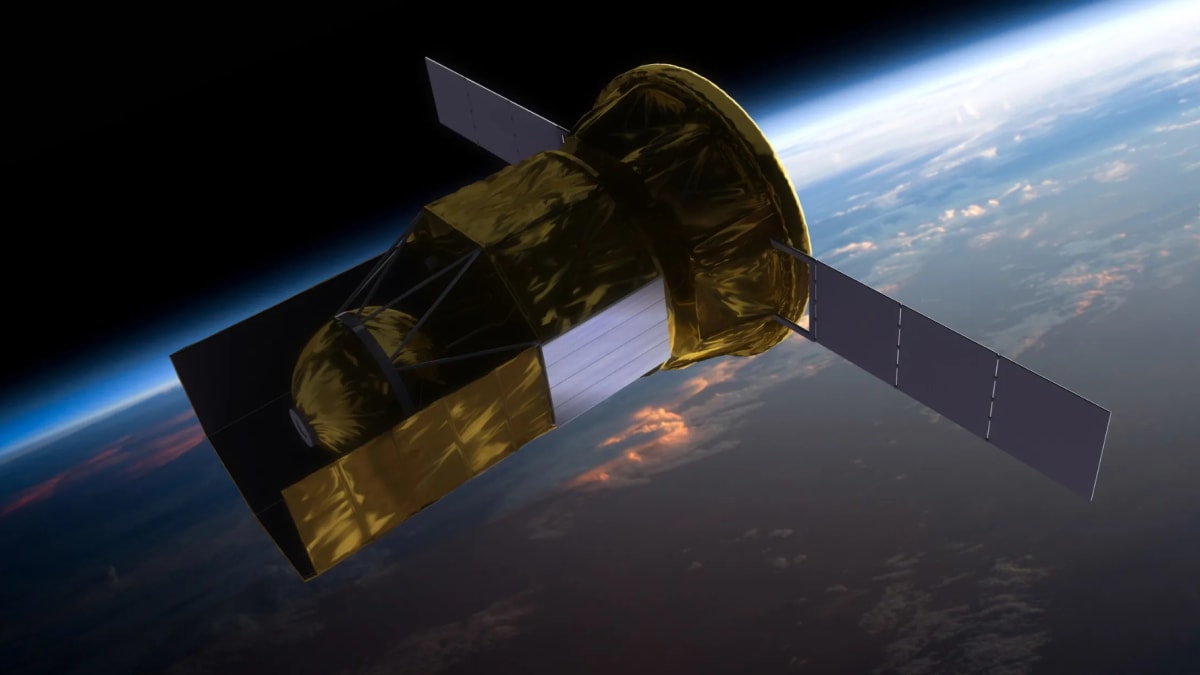
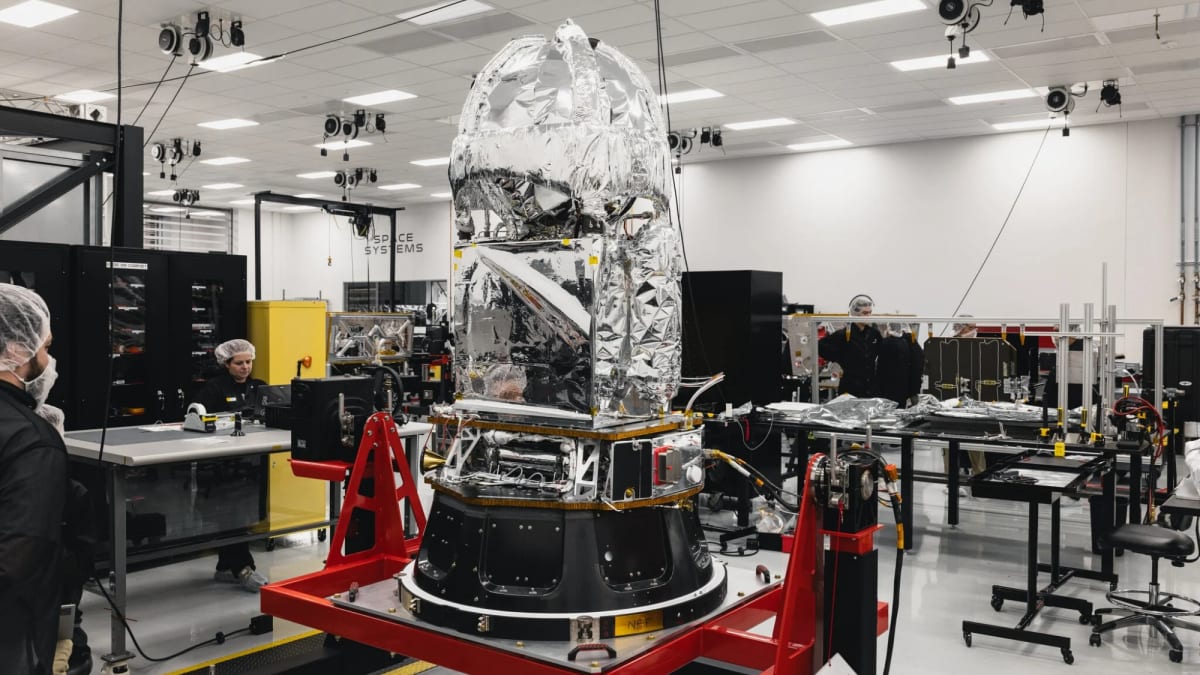
NASA is launching a satellite this summer to test how to store and transfer super-chilled rocket fuel in space, a breakthrough technology that could unlock missions to the Moon and Mars. The LOXSAT mission will demonstrate 11 different systems for managing cryogenic fuels in orbit, paving the way for refueling stations beyond Earth.
Imagine pulling into a gas station halfway to the Moon. That future just got closer as NASA prepares to test the technology that could make orbital refueling a reality.
The space agency's Liquid Oxygen Flight demonstration satellite, called LOXSAT, will launch from New Zealand no earlier than July 17. Over nine months in orbit, it will test 11 different systems for storing and transferring super-chilled rocket fuels in the harsh environment of space.
The technology addresses one of the biggest challenges in deep space exploration: keeping rocket fuel cold enough to stay liquid while floating in microgravity. Cryogenic fuels like liquid oxygen and liquid methane must be stored at hundreds of degrees below zero, or they boil away into useless gas.
Both SpaceX's Starship and Blue Origin's Blue Moon lunar landers rely on these ultra-cold fuels. Neither spacecraft has yet demonstrated how they'll store these fuels long-term or transfer them between vehicles in orbit, making LOXSAT potentially the first to prove the concept works.
The mission is a collaboration between NASA and Eta Space of Florida, selected under the agency's Tipping Point initiative. The program funds 14 companies developing technologies to support sustained operations on the Moon by 2030.
Scientists and engineers from three NASA centers are working together on the Cryogenic Fluid Management Portfolio Project. Their goal is ambitious but achievable: create the equivalent of gas stations in space that can refuel spacecraft heading to distant destinations.
The Ripple Effect
This breakthrough technology could transform space exploration from quick trips to sustainable journeys. With orbital refueling stations, spacecraft wouldn't need to carry all their fuel from Earth, making them lighter and capable of traveling farther.
The timing is critical for NASA's Artemis program, which aims to return astronauts to the Moon in late 2027. Both lunar landers commissioned for Artemis require on-orbit refueling to complete their missions of landing astronauts on the lunar surface and bringing them safely back.
The data LOXSAT collects will directly inform how SpaceX and Blue Origin design their refueling systems. If successful, the technology could support not just Moon missions but eventual human journeys to Mars and beyond.
The mission launches aboard a Rocket Lab Electron vehicle, proving that even relatively small satellites can test game-changing technologies. What starts as a nine-month demonstration in low Earth orbit could become the foundation for humanity's next giant leap into deep space.
More Images
Based on reporting by Space.com
This story was written by BrightWire based on verified news reports.
Spread the positivity!
Share this good news with someone who needs it