NASA Thruster Hits Record Power in Mars Mission Breakthrough
NASA just fired up a revolutionary plasma thruster at power levels never before achieved in the United States, bringing human missions to Mars closer to reality. The breakthrough could slash the weight of Mars-bound spacecraft by 90 percent.
Getting humans to Mars just became a lot more realistic, thanks to a glowing red thruster that's rewriting the rules of space travel.
NASA scientists at the Jet Propulsion Lab recently tested a next-generation electric thruster that reached 120 kilowatts of power, shattering all previous U.S. records. The device uses electricity to accelerate lithium plasma instead of burning heavy chemical fuel, and the results are stunning.
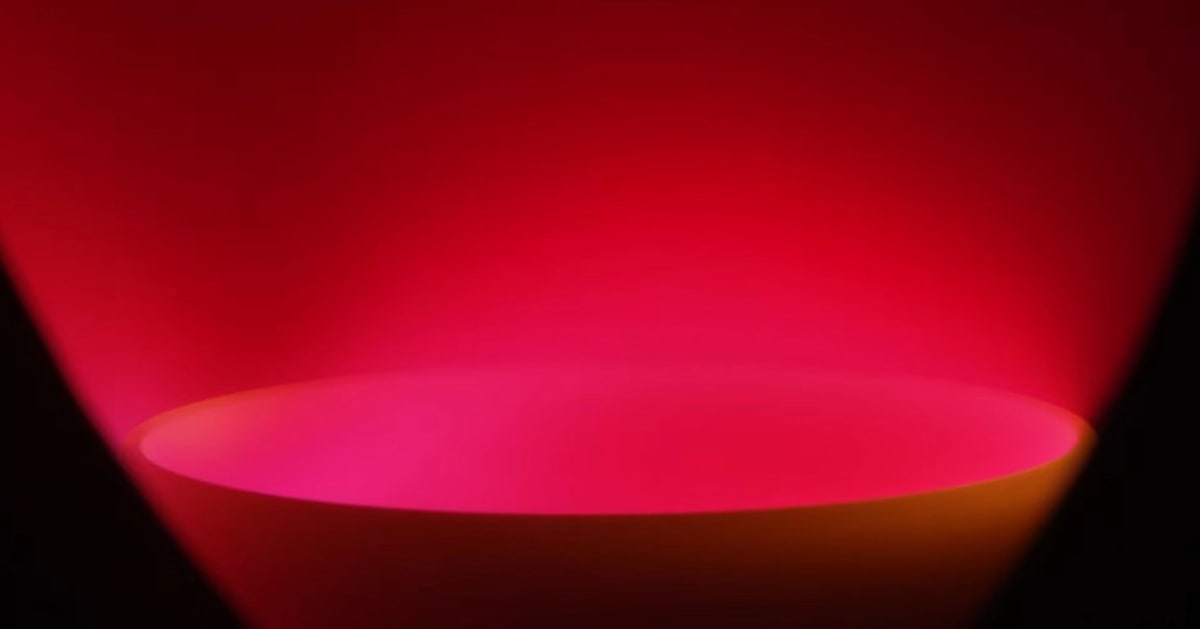
Video footage shows the prototype glowing an intense red as its tungsten core heats to over 5,000 degrees Fahrenheit. This isn't just a pretty light show. It's a fundamental shift in how we might reach the Red Planet.
The thruster uses about 90 percent less fuel than traditional rockets while building up speed over time through a steady push rather than powerful bursts. That dramatic reduction in weight means more room for supplies, equipment, and everything astronauts need to survive the journey and explore once they arrive.
NASA Administrator Jared Isaacman called the test "real progress toward sending an American astronaut to set foot on the Red Planet." The space agency hopes to make that happen within the next decade.
The technology has been studied since the 1960s but never tested in space. Now it's finally powerful enough to matter. The thruster produces 25 times more output than the electric system currently propelling NASA's Psyche mission to a metal asteroid.
When paired with a nuclear power source, these thrusters could transform Mars missions from theoretical dreams into practical plans. A crewed journey would need multiple thrusters running for over 23,000 hours, but engineers now know the core technology works at the necessary power levels.
The approach stands in stark contrast to chemical rockets like SpaceX's Starship, which requires thousands of tons of liquid fuel. Electric propulsion offers a lighter, more efficient path forward.
Why This Inspires
This breakthrough represents decades of patient scientific work finally paying off. Engineers have been refining this concept since the Space Race, and watching it succeed at record power levels proves that persistence in pursuit of better solutions matters.
The test also shows NASA's commitment to multiple pathways for reaching Mars. While headlines often focus on flashier rocket launches, quieter innovations like this thruster could be what actually gets humans there safely.
Most inspiring is what this means for the future. Reducing spacecraft weight by 90 percent doesn't just make Mars missions possible—it makes them sustainable, opening the door for regular human exploration of our neighboring planet.
The road to Mars just got shorter, one glowing red thruster at a time.
More Images

Based on reporting by Google News - Science
This story was written by BrightWire based on verified news reports.
Spread the positivity!
Share this good news with someone who needs it