NASA Turns Canceled Moon Station Into Lunar Base Tech
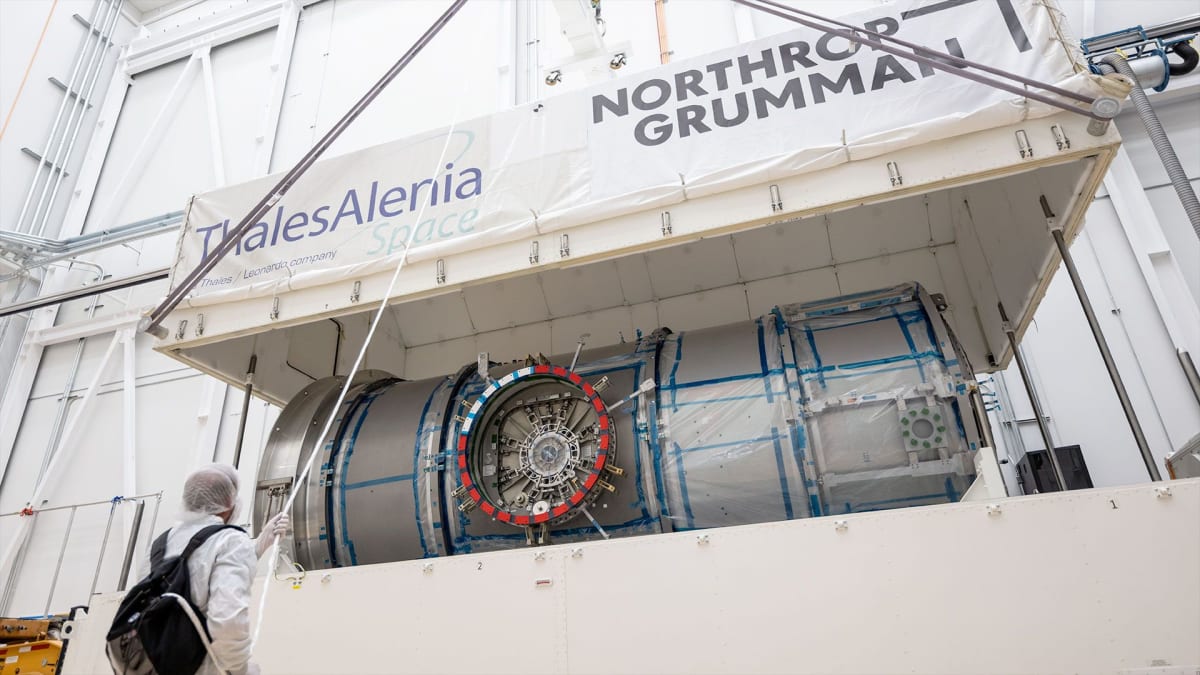
When NASA scrapped its Gateway space station earlier this year, the HALO module could have gathered dust in a warehouse. Instead, Northrop Grumman is breathing new life into the technology to help astronauts reach the moon faster.
Sometimes the best innovations come from plan B.
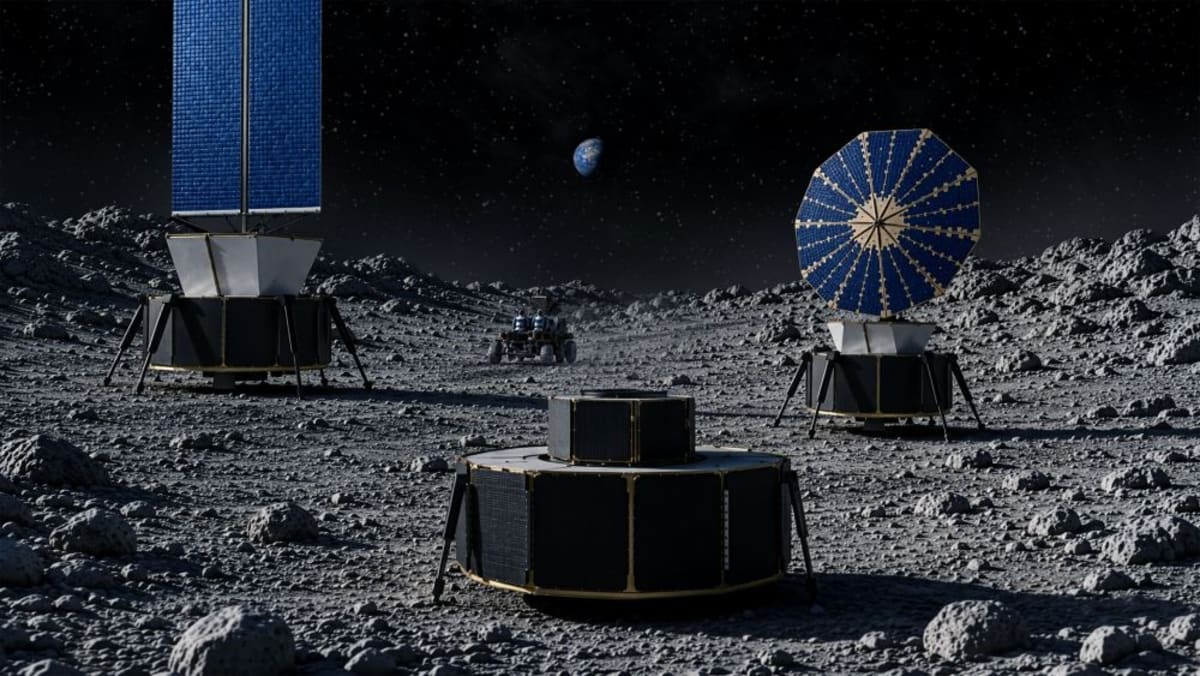
Northrop Grumman is repurposing hardware from NASA's canceled Habitation and Logistics Outpost (HALO) module to support new missions that will help build America's first permanent moon base. The company announced on August 4 that HALO's electrical and mechanical components will power a series of Lunar Infrastructure Demo missions designed to test crucial survival technologies at the moon's south pole.
HALO was originally designed as living quarters for Gateway, a planned space station that would orbit the moon. But NASA canceled Gateway in March as part of a major restructuring of its Artemis program, which aims to return astronauts to the lunar surface by late 2028.
The reason for the shakeup? Speed matters in the new space race. China is advancing its own plans to land astronauts on the moon, and NASA is determined to get there first.
Rather than waste the work already done on HALO, Northrop Grumman saw an opportunity to accelerate progress. The module's power systems, data interfaces, and mechanical components are being adapted to help test technologies that can survive the brutal conditions at the lunar south pole, where temperatures plunge during the weeks-long night.
The Bright Side
This pivot represents exactly the kind of resourceful thinking NASA needs to meet its ambitious timeline. Instead of treating canceled projects as failures, the space agency and its partners are mining them for parts and knowledge that can speed up future missions.
The three planned LID missions will test critical systems including power generation, thermal protection, communications, and autonomous operations. These technologies must prove they can keep both robots and astronauts alive during the harsh lunar night before NASA commits to a permanent base.
NASA chose the south pole specifically because of the water ice concentrated there. That ice isn't just for drinking. When processed correctly, it can provide radiation shielding and even rocket fuel, allowing spacecraft to refuel in space rather than carrying all their fuel from Earth.
The ability to use local resources, what NASA calls "in-situ resource utilization," could revolutionize space exploration. Current rockets are 95% fuel at launch, severely limiting how far they can travel. Refueling stations on the moon would open pathways to Mars and beyond.
For Northrop Grumman, the HALO repurposing demonstrates their commitment to NASA's lunar ambitions even as program plans shift. "Our ready-to-fly, reliable HALO technologies allow NASA to move faster," said David Schiller, the company's vice president of civil space and sciences.
The moon is becoming less of a destination and more of a proving ground for humanity's next giant leap into the solar system.
More Images
Based on reporting by Space.com
This story was written by BrightWire based on verified news reports.
Spread the positivity!
Share this good news with someone who needs it