NASA will announce Artemis III crew and report on mission progress
NASA will announce the four astronauts heading to the Moon on June 9, marking a giant leap toward humanity's return to the lunar surface. The mission follows April's successful Artemis II test flight and brings us closer to exploring Mars.
NASA will report on progress of the agency's Artemis III mission and announce the astronauts assigned to this test flight during a live event at 11 a.m. EDT on Tuesday, June 9 at the agency's Johnson Space Center in Houston.
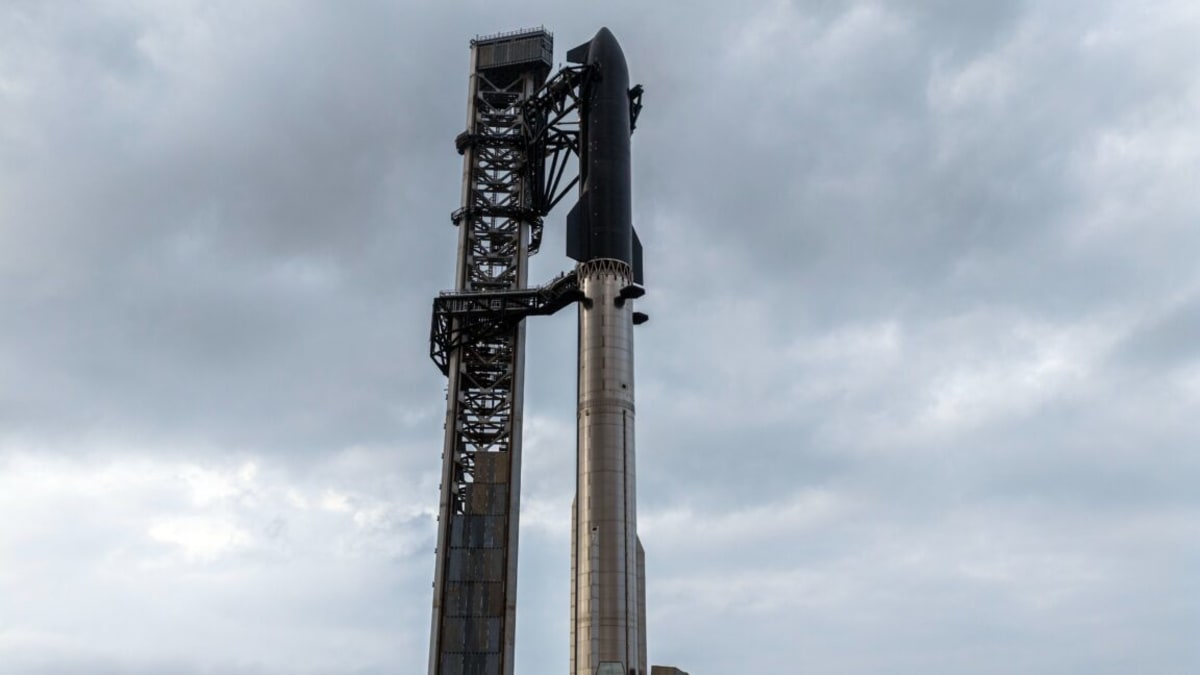
Artemis III will launch four astronauts from NASA's Kennedy Space Center in Florida aboard the Orion spacecraft, which will travel on the SLS (Space Launch System) rocket. The mission will test critical rendezvous and docking capabilities between Orion and commercial human landing systems needed to bring astronauts to the lunar surface.
Building on the successful crewed test flight of Artemis II in April, Artemis III will pave the way for future Moon missions. As part of a golden age of innovation and exploration, NASA will send astronauts on increasingly complex missions to explore more of the Moon for scientific discovery and economic benefits, and to continue laying groundwork for the first crewed missions to Mars.
---
BRIGHTWIRE ARTICLE
TITLE: NASA Names Artemis III Crew for Historic Moon Mission
SUMMARY: NASA will announce the four astronauts heading to the Moon on June 9, marking a giant leap toward humanity's return to the lunar surface. The mission follows April's successful Artemis II test flight and brings us closer to exploring Mars.
CONTENT:
Four astronauts are about to get the assignment of a lifetime, and we'll learn their names on June 9 when NASA reveals the crew of Artemis III at Johnson Space Center in Houston.
This mission represents a major milestone in humanity's return to the Moon. Four crew members will launch from Kennedy Space Center in Florida aboard the Orion spacecraft, riding the powerful Space Launch System rocket toward lunar orbit.
What makes Artemis III special is what happens next. The mission will test critical systems that allow Orion to meet up and dock with commercial landing systems designed to bring astronauts down to the Moon's surface.
It's a carefully choreographed dance of technology that needs to work perfectly before we can take those next historic steps on lunar soil. NASA engineers have spent years developing and testing these systems to ensure crew safety.
The mission builds directly on lessons learned from Artemis II, which successfully sent astronauts around the Moon in April. That flight proved the spacecraft and life support systems work as designed for deep space travel.
The Ripple Effect
Artemis III isn't just about planting flags on the Moon. Each mission brings increasingly complex scientific experiments and exploration capabilities that expand our understanding of the lunar environment.
The knowledge gained from these Moon missions directly supports NASA's ultimate goal of sending humans to Mars. Every system tested, every procedure refined, every challenge overcome brings that dream closer to reality.
Scientists will use data from Artemis missions to unlock secrets about the Moon's resources, which could support future long-term exploration. The economic benefits extend to Earth too, as space technology historically drives innovation in medicine, communications, and materials science.
The selected crew will represent the next chapter in space exploration, following in the footsteps of the Apollo astronauts who last walked on the Moon over 50 years ago.
This golden age of space exploration promises missions of increasing ambition and discovery, each one expanding the boundaries of what humanity can achieve beyond our home planet.
More Images
Based on reporting by NASA
This story was written by BrightWire based on verified news reports.
Spread the positivity!
Share this good news with someone who needs it