NASA's AI Detects Harmful Algae Blooms From Space
NASA scientists created an AI tool that spots toxic algae blooms before they sicken beachgoers and poison marine life. The system combines data from five satellites to help coastal communities know exactly where to test waters and issue warnings faster.
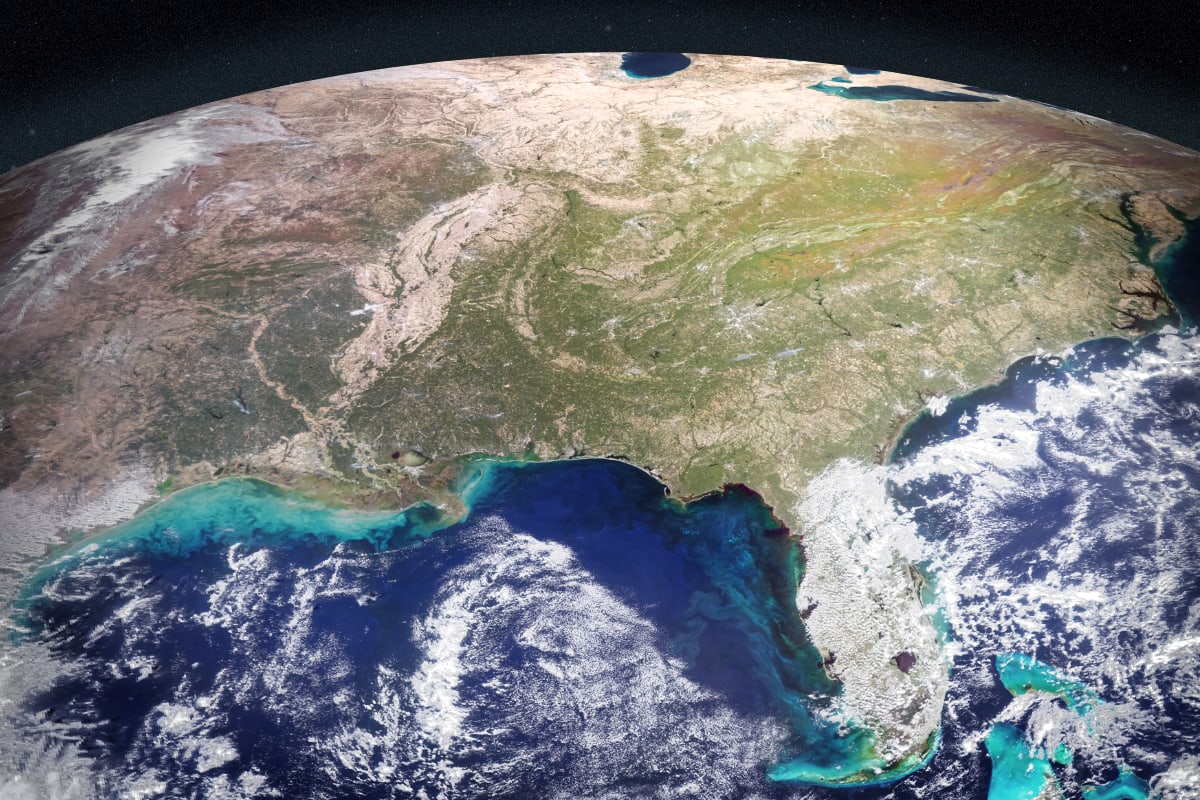
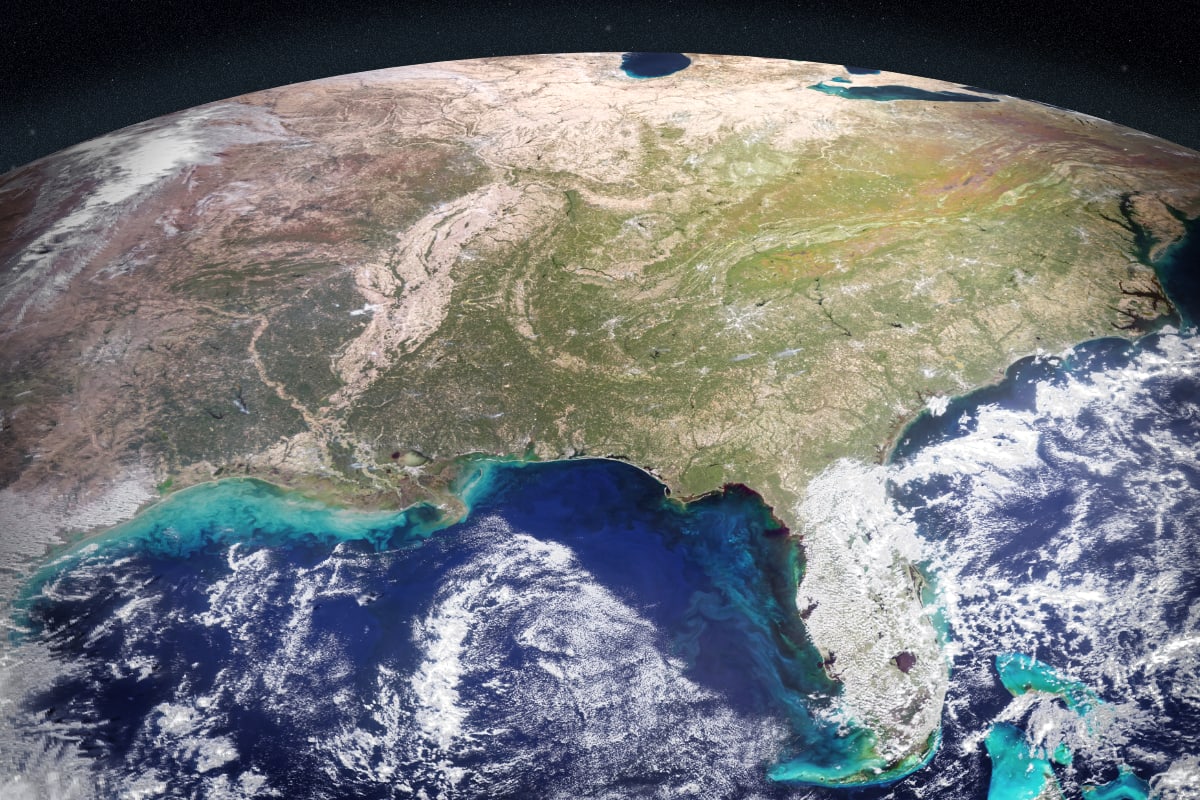
Every year, toxic algae blooms turn Florida beaches into hazard zones, killing dolphins and sea lions while sending swimmers to the hospital. Now NASA scientists have built an AI tool that spots these deadly blooms from space, giving communities precious time to respond.
The system fuses data from five different satellites to track harmful algae in real time. When researchers tested it on blooms in western Florida and Southern California, the AI correctly identified toxic species and mapped their spread, even in murky coastal waters filled with sediment and runoff.
The breakthrough solves a major challenge for beach towns. Traditional testing requires boats, lab work, and at least a day to get results. By then, a bloom may have already spread across miles of coastline.
In Florida's Tampa Bay and Sarasota, a species called Karenia brevis has plagued waters for decades. The algae release toxins that become airborne, causing respiratory problems in people just walking along the shore. On the West Coast, Pseudo-nitzschia blooms have poisoned hundreds of marine mammals in recent years.
These outbreaks cost U.S. coastal economies tens of millions of dollars annually in beach closures, lost tourism, and cleanup efforts. Health agencies must constantly monitor waters and issue warnings, but knowing where to test before a bloom explodes has been nearly impossible.
NASA's satellites already watch for algae from orbit. The PACE satellite can identify algal communities by their size, shape, and pigment, while instruments like TROPOMI detect the faint red glow certain species emit during photosynthesis.
The challenge was teaching AI to make sense of massive streams of satellite data. The team at NASA's Jet Propulsion Laboratory developed a self-supervised machine learning system that learns patterns without needing labels in advance. They trained it on 2018 and 2019 satellite data, then added field measurements to give the AI real-world context.
"At the very least, a tool like this can help us know where and when to collect water samples as an algal bloom is starting," said Michelle Gierach, a JPL scientist and study coauthor. The research was published in AGU Earth and Space Science.
The Ripple Effect
The AI tool acts as a force multiplier for stretched local health departments. Instead of guessing where to send boats, they can target exactly where blooms are forming. That means faster warnings, fewer surprises, and better protection for beachgoers and marine life.
The technology could also help aquaculture operations avoid contaminated waters and give tourism operators advance notice before blooms impact their businesses. NOAA already issues algae forecasts during bloom seasons, and this tool could make those predictions sharper and more localized.
The team is now expanding the system to more coastlines and testing it on lakes. Their goal is to make the tool available to decision-makers within the next few years, bringing NASA's full suite of Earth observation satellites to bear on the problem.
Communities battling toxic algae for decades may finally have eyes in the sky watching their backs.
More Images

Based on reporting by NASA
This story was written by BrightWire based on verified news reports.
Spread the positivity!
Share this good news with someone who needs it