NASA's Artemis 2 Crew Begins 10-Day Moon Journey in 2025
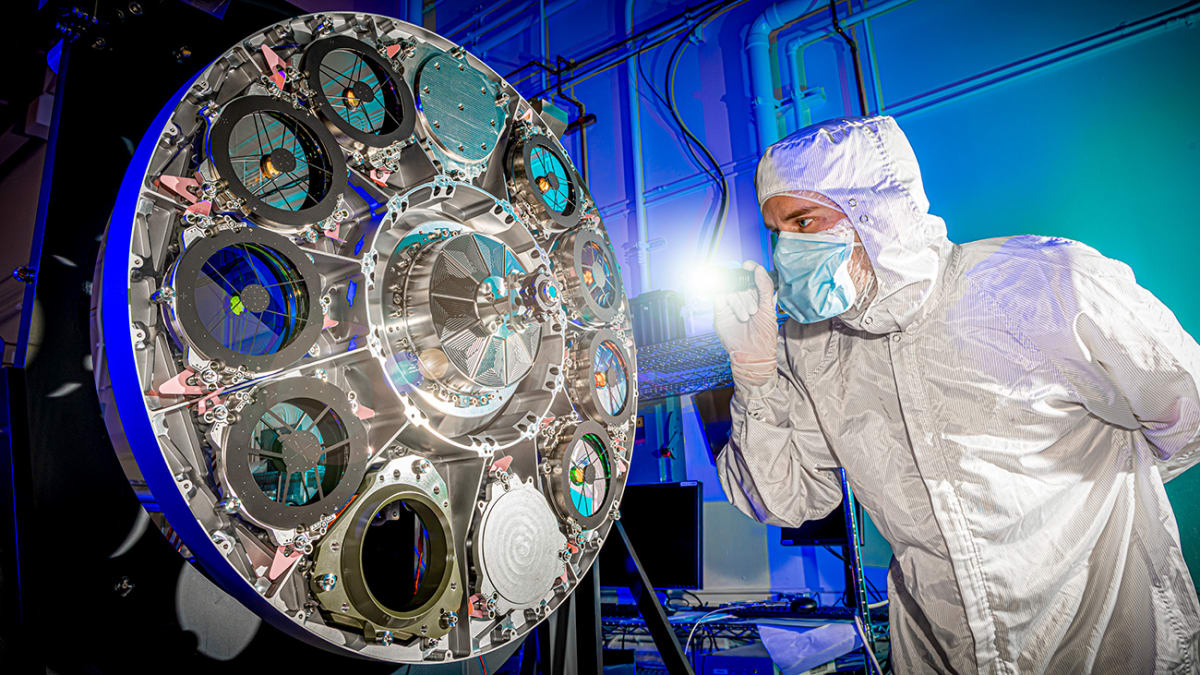
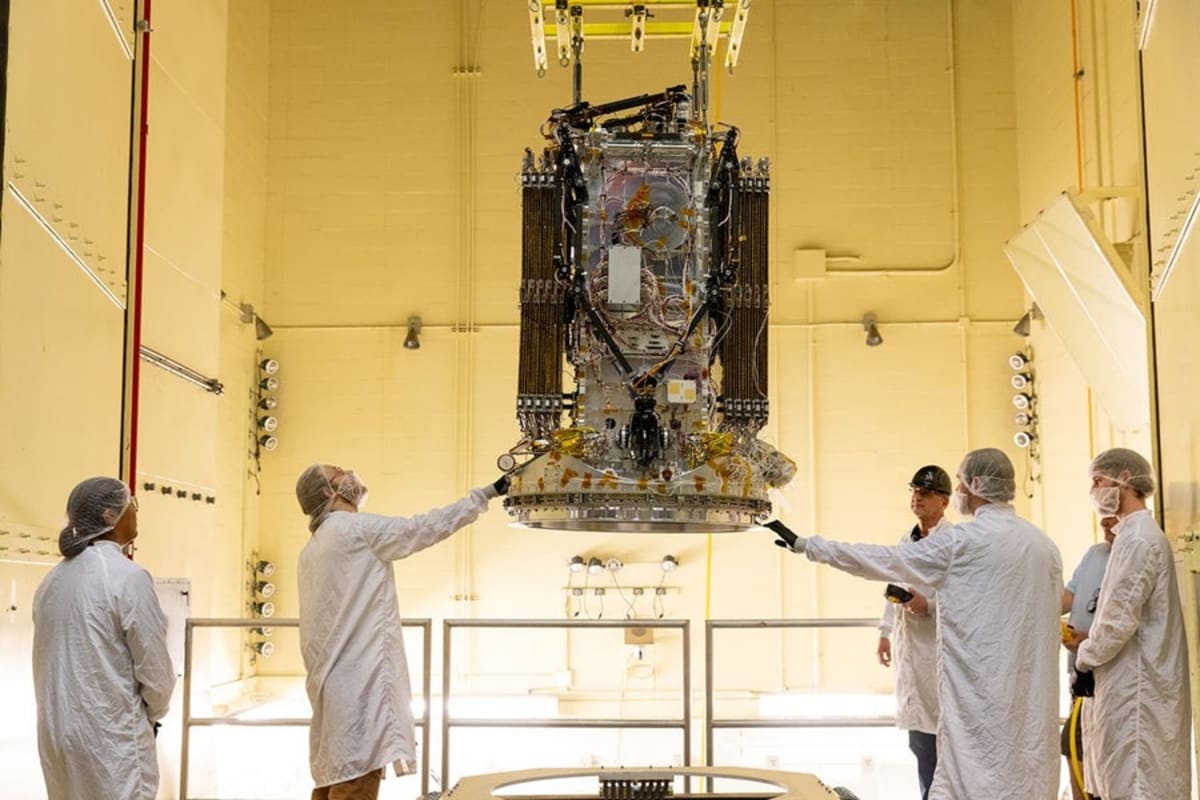
Four astronauts are about to embark on humanity's first moon flyby in over 50 years, spending 10 days testing the spacecraft that will return humans to lunar orbit. NASA's Artemis 2 mission represents a carefully choreographed journey that brings us one giant leap closer to establishing a permanent presence on the moon.
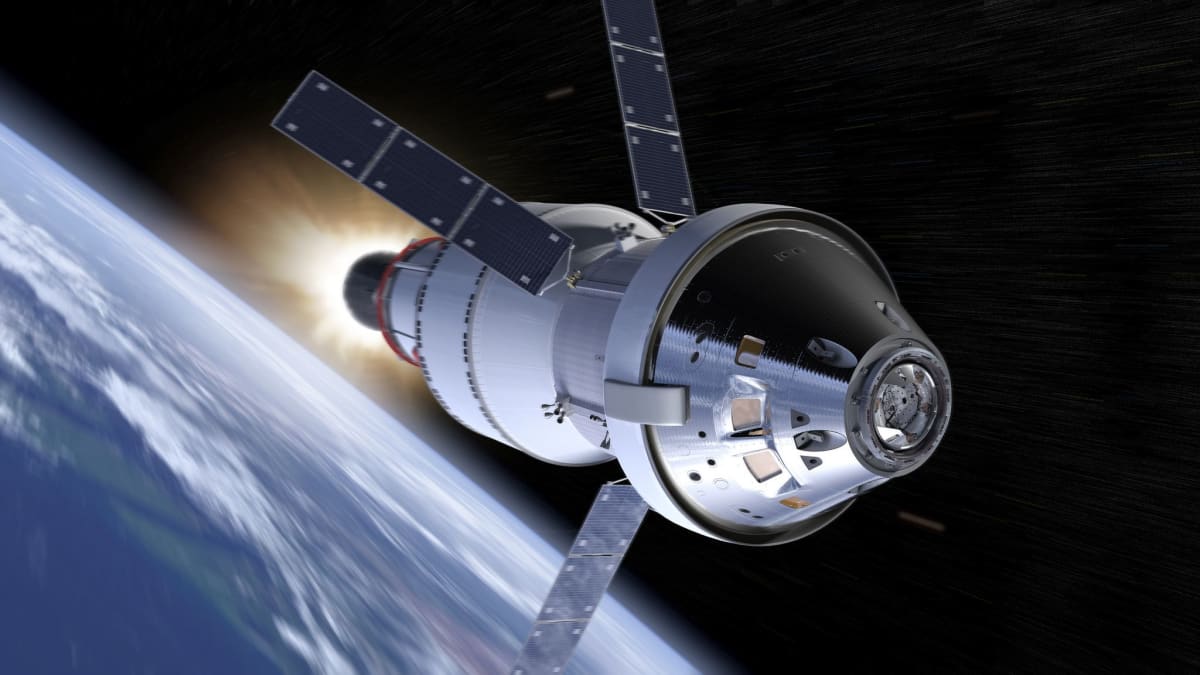
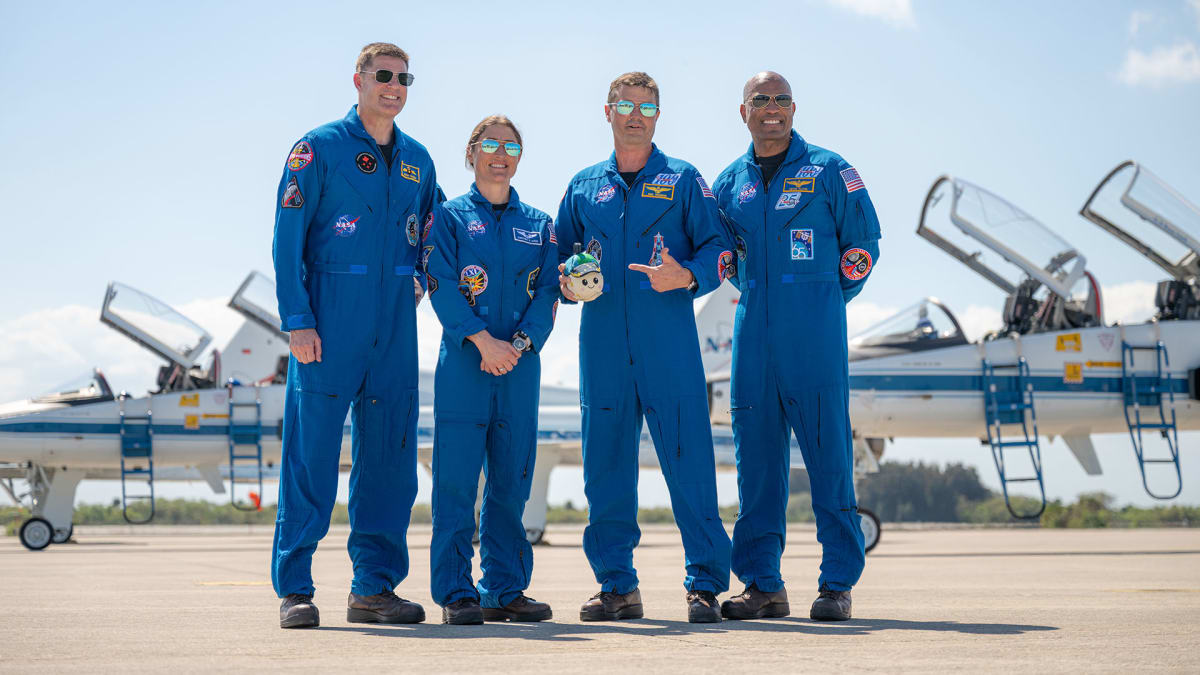
In a mission that would make the Apollo astronauts proud, four spacefarers are preparing for a 10-day adventure around the moon that marks humanity's return to deep space exploration. NASA astronauts Reid Wiseman, Victor Glover, Christina Koch, and Canadian Space Agency astronaut Jeremy Hansen will pilot the Orion spacecraft on a journey that hasn't been attempted in more than half a century.
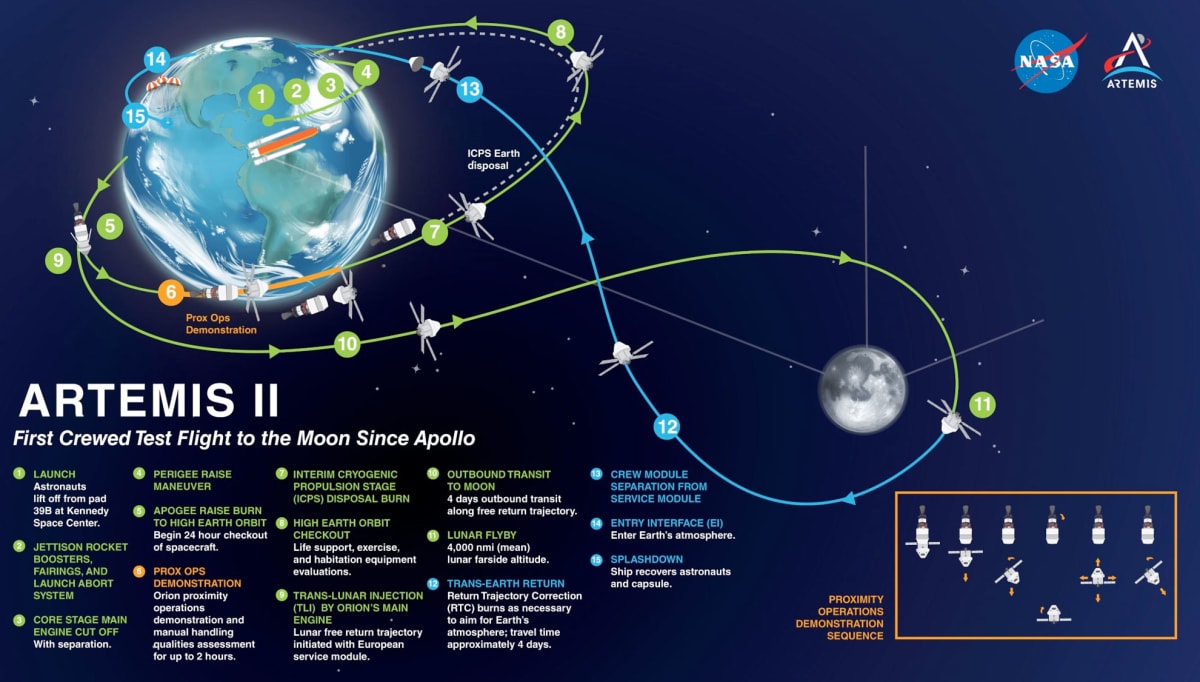
The mission kicks off with an eight-minute rocket ride that's anything but routine. Strapped into NASA's massive Space Launch System rocket, the crew will shed two solid boosters and a 212-foot first stage before reaching orbit, where the real work begins.
Within hours of launch, the astronauts will perform proximity operations, flying Orion around a spent rocket stage to prove the spacecraft can maneuver near other objects in space. This skill will be critical for future missions when Orion needs to dock with a lunar lander.
On day two, the crew faces their mission's defining moment: the translunar injection burn. This 30-minute engine firing commits them to their lunar journey, placing Orion on a free-return trajectory that loops around the moon's far side and slingshots back to Earth without needing another major burn.
The astronauts won't be passive passengers on this historic flight. Each day includes workouts on a specially designed flywheel exercise device, systems checks, and medical monitoring that will help scientists understand how the human body responds to deep space travel.
Day three brings practice runs for the main event. The crew will rehearse the observations and tasks they'll complete during their three-hour window at the moon's closest approach, making sure every precious minute above the lunar surface counts.
The Ripple Effect
This mission does more than circle the moon and come home. Every maneuver, every test, and every data point collected brings NASA closer to landing astronauts on the lunar surface for the first time since 1972.
The Artemis program aims to build a sustained human presence on the moon, using it as a proving ground for even more ambitious missions. The exercise equipment being tested, the proximity operations being perfected, and the free-return trajectory being demonstrated will all become standard procedures for future crews.
By mapping out each of the 10 days down to the minute, NASA is writing the playbook for a new era of lunar exploration. What the Artemis 2 crew learns during their journey will directly enable the missions that follow, including the planned lunar landing of Artemis 3 and the construction of Gateway, a space station that will orbit the moon.
The mission proves that good things really do take time and careful planning, with every detail serving the larger goal of expanding humanity's reach into the cosmos.
More Images

Based on reporting by Space.com
This story was written by BrightWire based on verified news reports.
Spread the positivity!
Share this good news with someone who needs it