NASA's Artemis 2 Moon Rocket Rolls Out for April 1 Launch
Four astronauts are about to make history as the first humans to venture beyond low Earth orbit in over 50 years. NASA's Artemis 2 rocket rolled out tonight for a moon mission that marks humanity's return to deep space exploration.
After more than half a century, humans are heading back toward the moon, and the journey begins tonight with a slow, spectacular roll to the launch pad.
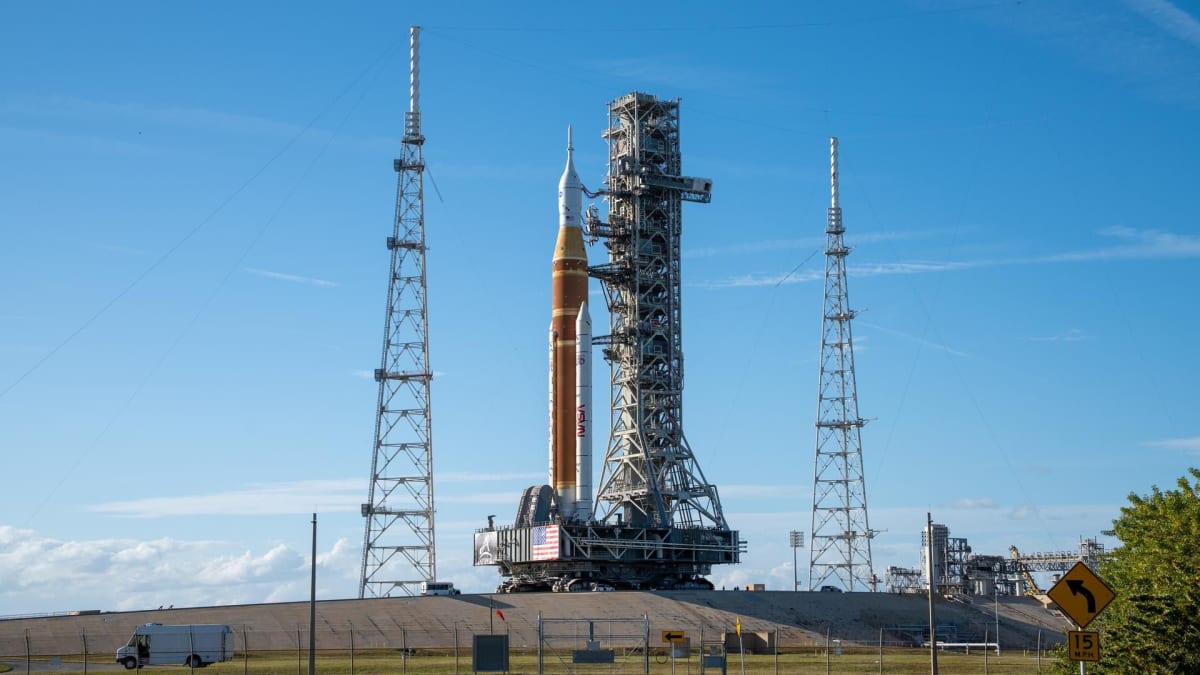
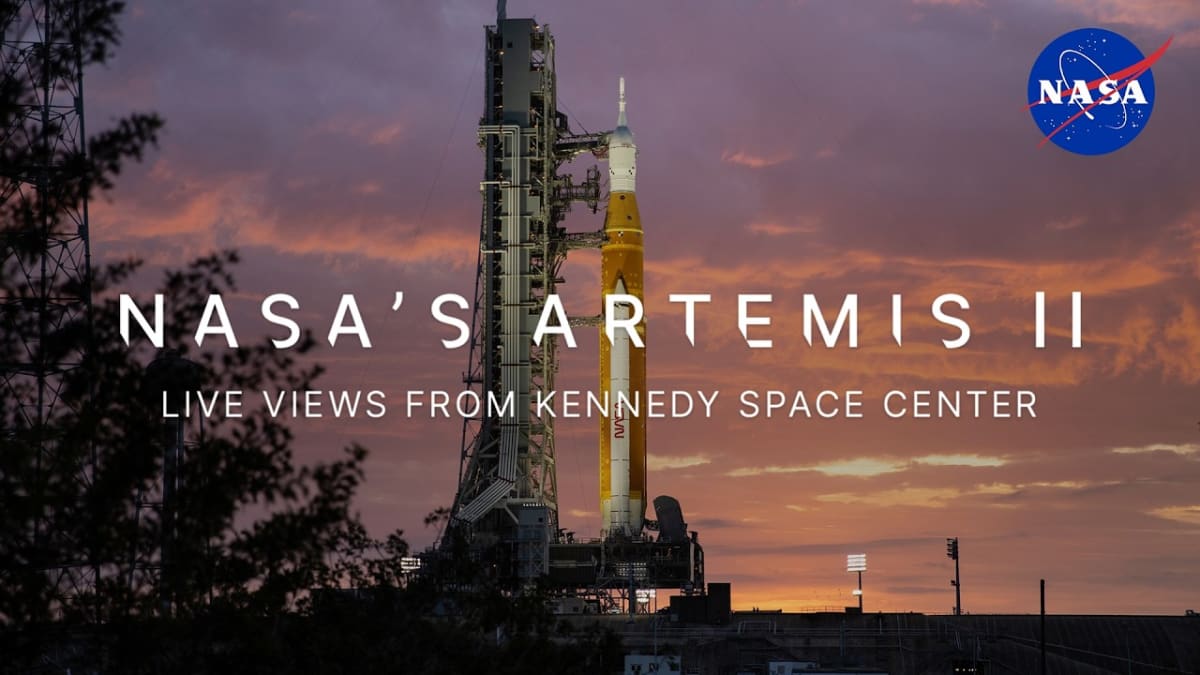
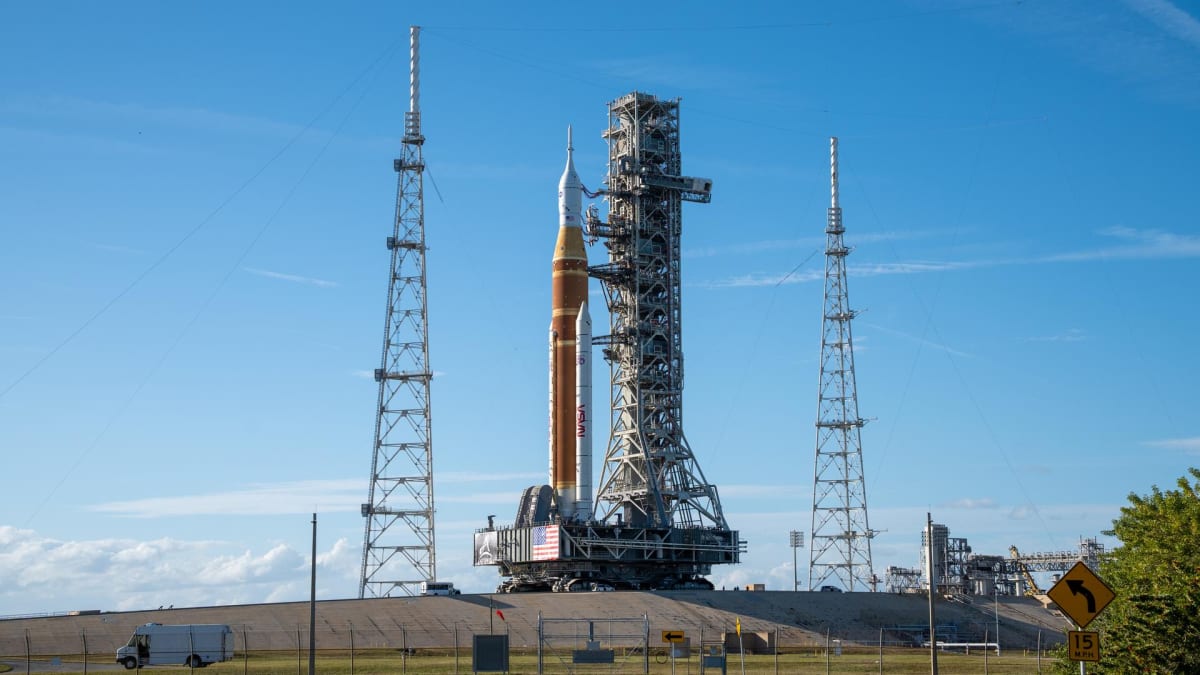
NASA moved its massive Artemis 2 rocket stack from Kennedy Space Center's Vehicle Assembly Building to Launch Pad 39B on March 19, setting the stage for an April 1 liftoff. The 4-mile journey atop the enormous Crawler-Transporter 2 vehicle took up to 12 hours, but every slow mile brought humanity closer to a historic milestone.
Four astronauts will make the trip. NASA's Reid Wiseman, Victor Glover, Christina Koch, and Canada's Jeremy Hansen will become the first people to venture beyond low Earth orbit since the final Apollo mission in 1972.
Their 10-day flight around the moon won't land on the lunar surface, but it represents something equally powerful: proof that we're ready to return. After decades of dreaming, planning, and building, the hardware and the crew are finally coming together.
The road to this moment wasn't perfectly smooth. A liquid hydrogen leak during a February dress rehearsal ended that test early, though teams fixed it on the pad by swapping seals. Then a helium flow issue in the rocket's upper stage required rolling the entire stack back to the assembly building for repairs.
But here's what matters: engineers solved every problem. They completed a successful rehearsal on February 19 and repaired the helium issue earlier this month. NASA decided another dress rehearsal wasn't necessary, a vote of confidence in both the fixes and the team.
Why This Inspires
This mission represents more than four astronauts circling the moon. It's the opening chapter of a program designed to establish a lasting human presence in deep space, including a lunar space station and eventually boots on the moon's surface again.
Every challenge the Artemis 2 team overcame, from hydrogen leaks to helium flows, built knowledge that will protect future crews. Every successful system test proved that careful, methodical work pays off. Every extra day spent getting it right showed that space exploration has learned from its past.
If weather or technical issues delay the April 1 launch, NASA has backup dates through April 6 and another opportunity on April 30, with more dates available in May. The message is clear: they'll launch when everything is ready, not before.
Fifty-two years after humans last left low Earth orbit, we're about to do it again, this time with our eyes set not just on one mission but on building a road to the stars that future generations can travel.
More Images


Based on reporting by Google News - Science
This story was written by BrightWire based on verified news reports.
Spread the positivity!
Share this good news with someone who needs it