NASA's Artemis II Crew Aces Every Test on Moon Mission
Four astronauts just completed a flawless six-day journey around the Moon, proving we're ready to land humans there again for the first time in over 50 years. Every system worked better than expected, bringing humanity one giant leap closer to a 2028 Moon landing.
Four astronauts orbited the Moon this week and proved something remarkable: we really can go back.
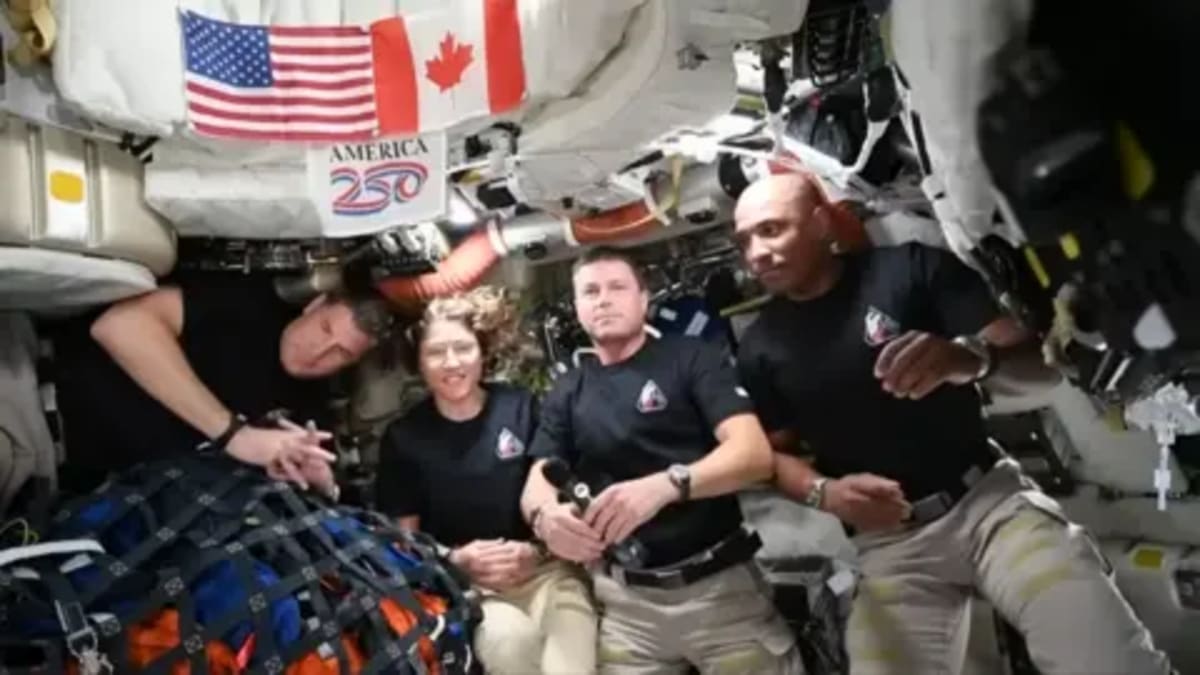
NASA's Artemis II mission wrapped up six days of near-perfect performance, with Commander Reid Wiseman, Victor Glover, Christina Koch, and Jeremy Hansen testing every system needed to safely land humans on the lunar surface. The spacecraft, rocket, and crew all exceeded expectations.
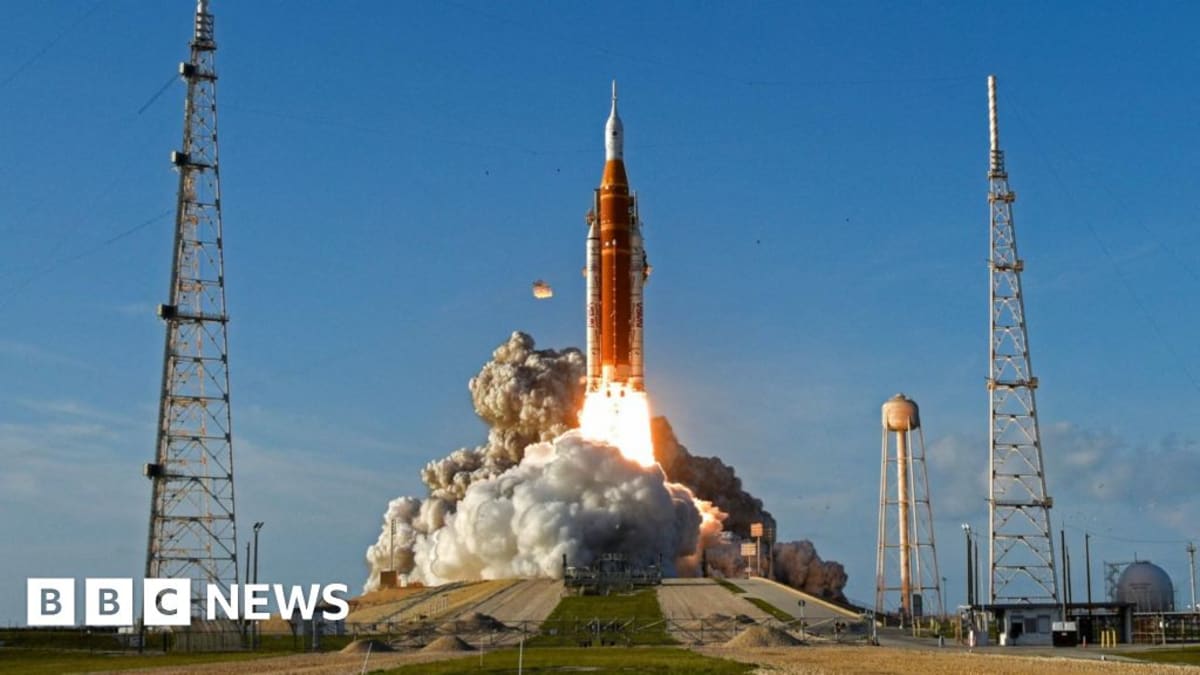
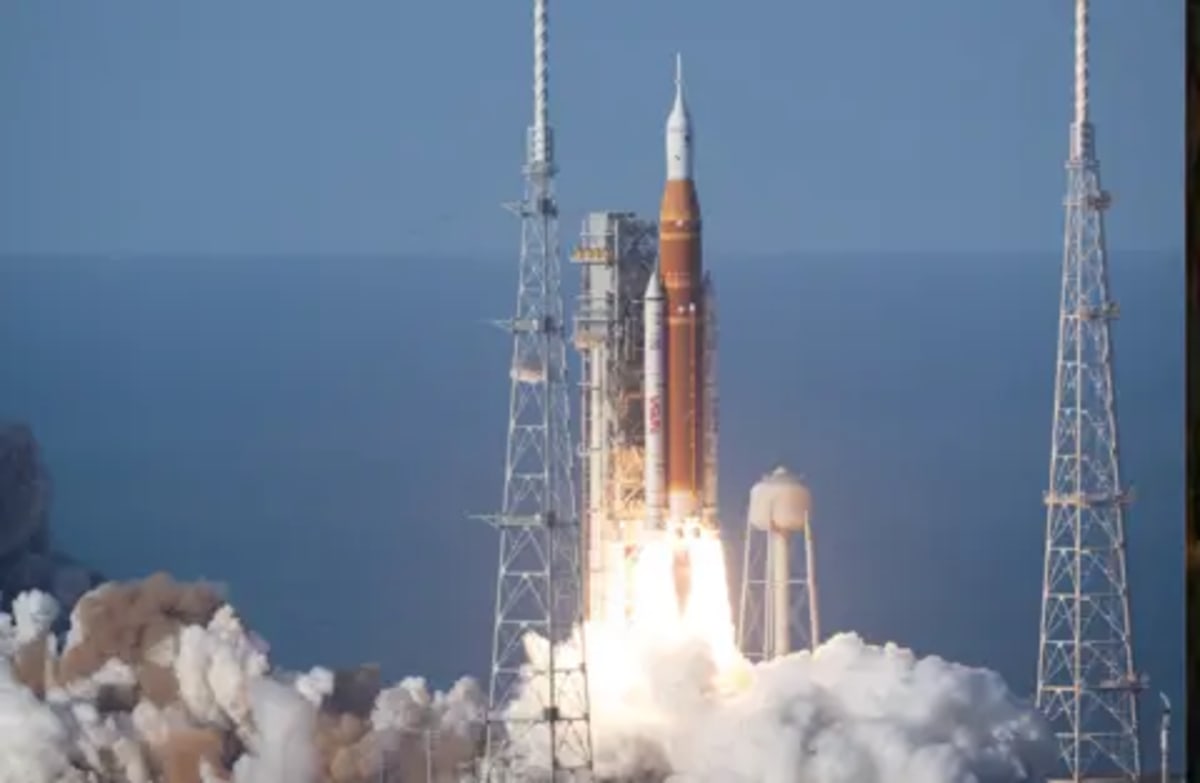
The Space Launch System rocket generated 8.8 million pounds of thrust at liftoff on April 1st. Engineers planned three course corrections on the way to the Moon but only needed one because the trajectory was so accurate from the start.
"Credit to them, they got it right the first time," said Dr. Simeon Barber, a space scientist at the Open University.
The critical moment came when the Orion capsule fired its main engine for nearly six minutes, putting the crew on course to loop around the Moon. Dr. Lori Glaze, head of the Artemis program, called the burn "flawless."
This mission wasn't about breaking records. It was about putting real humans inside the spacecraft to see what happens when people press buttons, use the bathroom, and need air conditioning in deep space.
The crew dealt with minor toilet issues and a water dispenser problem, exactly the kind of real-world testing that no simulator can replicate. Engineers watched how the spacecraft handled carbon dioxide removal during exercise sessions and how it performed with some thrusters deliberately disabled.
Why This Inspires
The most powerful moment had nothing to do with engineering. As the crew broke Apollo 13's distance record, astronaut Jeremy Hansen spotted a crater on the Moon's surface and asked to name it after Carroll, the late wife of Commander Wiseman and mother of their two daughters.
Forty-five seconds of silence followed as Wiseman wept and the crew embraced. Mission Control in Houston quietly approved the tribute.
The crew also photographed 35 geological features during their flyby and captured a solar eclipse from deep space. They got the first full human view of the Orientale basin, a 600-mile crater near the Moon's far side.
NASA Administrator Jared Isaacman said the agency needs to stop treating each rocket "like a work of art" and start launching regularly. After years of delays, Artemis II showed that consistent practice pays off.
The mission proves the hardware works and the crew can handle unexpected challenges. A Moon landing by 2028 now looks genuinely achievable, bringing humanity back to the lunar surface for the first time since 1972.
More Images


Based on reporting by BBC Science
This story was written by BrightWire based on verified news reports.
Spread the positivity!
Share this good news with someone who needs it