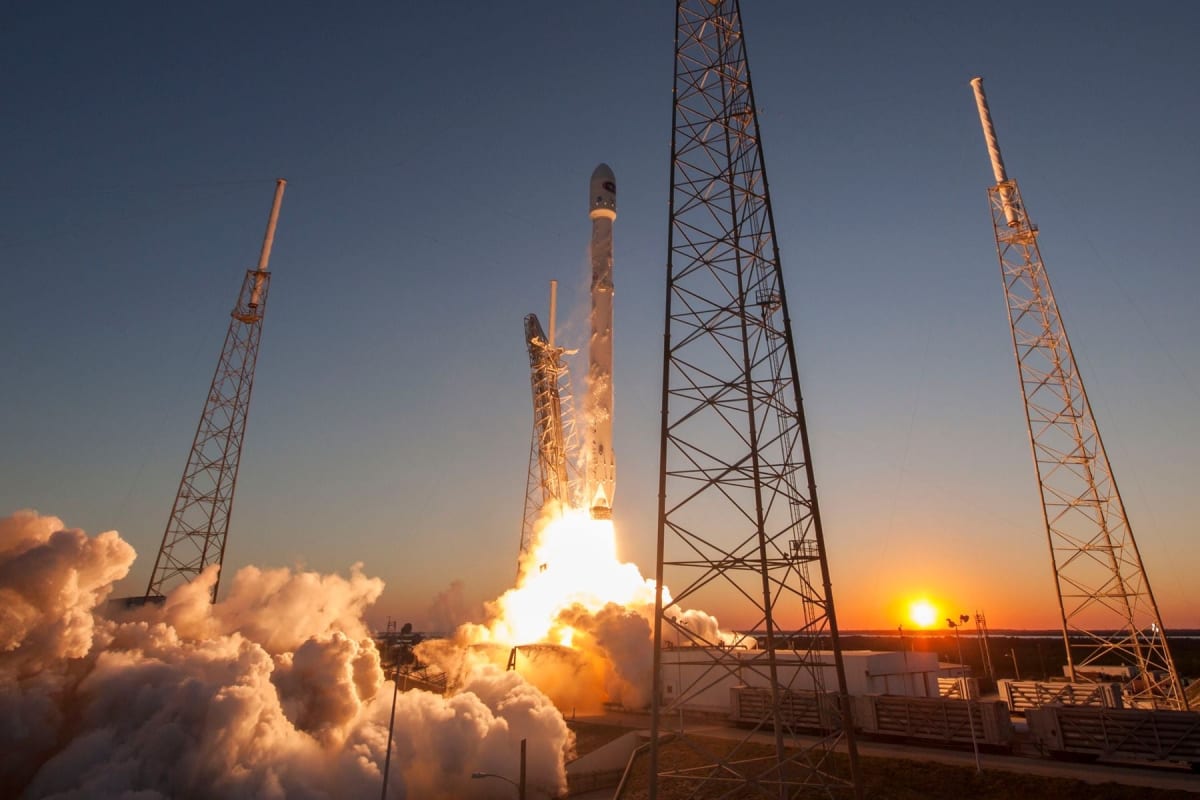
NASA's Artemis II Heat Shield Survives Fiery Reentry Test
After concerns that the heat shield might fail, NASA's Artemis II crew capsule safely returned to Earth with minimal damage. Early inspections show the spacecraft performed beautifully during its 24,664 mph plunge through the atmosphere.
Four astronauts just survived what experts feared could be a deadly gamble, and the early results are cause for celebration.
NASA's Artemis II spacecraft splashed down in the Pacific Ocean on April 10, and underwater photos taken by Navy divers immediately afterward reveal something remarkable. The heat shield that experts worried might crack and char during reentry held up nearly perfectly.
The shield's job was to protect the crew from temperatures half as hot as the sun's surface as the capsule screamed through Earth's atmosphere at 24,664 mph. That kind of speed turns surrounding air into a plasma inferno, and any failure could have been catastrophic.
The concern was real. The same heat shield design used on the earlier uncrewed Artemis I mission had cracked and lost chunks during its return to Earth. That damage alarmed engineers enough that former NASA astronaut Charles Camarda called flying the same shield design "playing Russian roulette" with the crew's lives.
So NASA changed its approach. Instead of the experimental "skip" reentry used on Artemis I, where the capsule bounced off the upper atmosphere like a stone on water, engineers chose a more direct path through the atmosphere. They sacrificed some landing accuracy and astronaut comfort for safety.
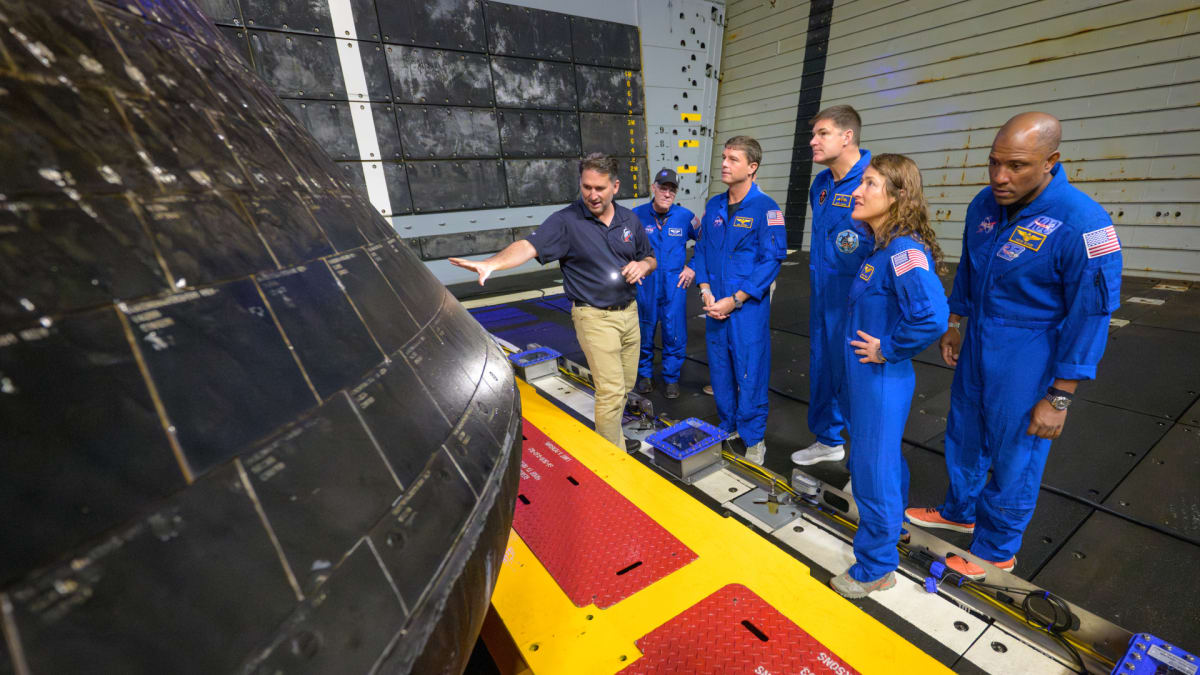
The bet paid off spectacularly. NASA's initial inspections found minimal char loss, uncracked ceramic tiles, and reflective thermal tape still in place across the shield. The agency reported "no unusual conditions identified."
The Bright Side
The successful reentry proves NASA learned from its mistakes and made the right call under pressure. The landing itself showed impressive precision too, splashing down just 2.9 miles from its target. The spacecraft's velocity at reentry was within one mile per hour of predictions.
Even the Space Launch System rocket, which had been notorious for leaks and delays during earlier test launches, performed without issues. These successes give real momentum to the Artemis program's ambitious timeline for returning humans to the moon.
The next missions are already queued up. Artemis III will test Earth orbit docking with a lunar lander in 2027, followed by actual moon landings planned for 2028 and beyond.
Four astronauts are home safe today because engineers chose caution over convenience, and the technology rose to meet one of spaceflight's toughest challenges.
More Images


Based on reporting by Live Science
This story was written by BrightWire based on verified news reports.
Spread the positivity!
Share this good news with someone who needs it